
A Green Heart at the University of Tehran: Where Life Keeps Beating
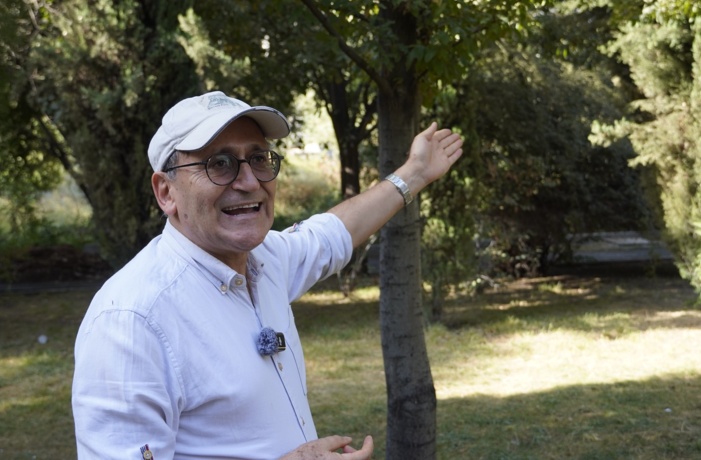
A portrait of Dr. Hossein Akhani, Professor of school of Biology, and his decade-long mission to revive Iran’s native flora
Ehsan Shirkhanlo reporting from the Vice-Presidency for Research and Technology News Desk of the University of Tehran:
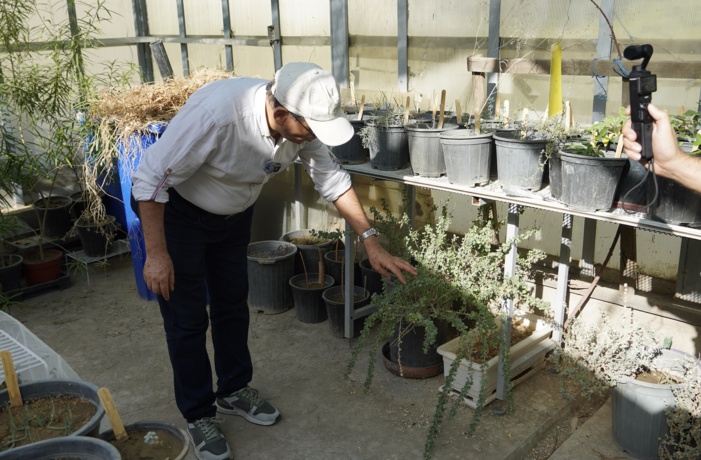
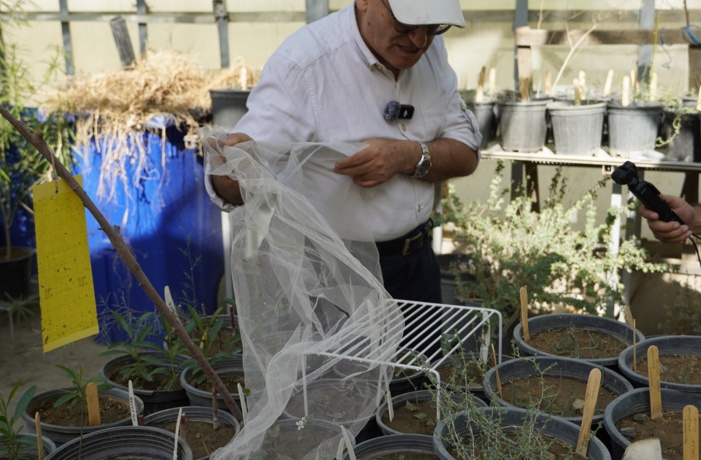
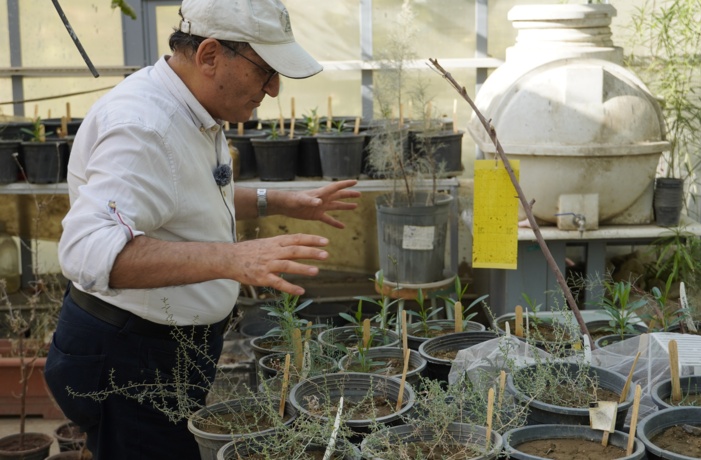
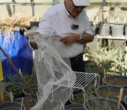
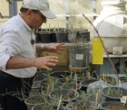
Amid the old buildings and bustling walkways of the University of Tehran lies a place where silence and vitality meet—a small but thriving greenhouse known as the Green Heart of the University.
Here, Dr. Hossein Akhani, full professor of plant biology, has spent over a decade cultivating, restoring, and studying Iran’s native plant species—each one carrying a story of resilience, beauty, and Iranian identity.
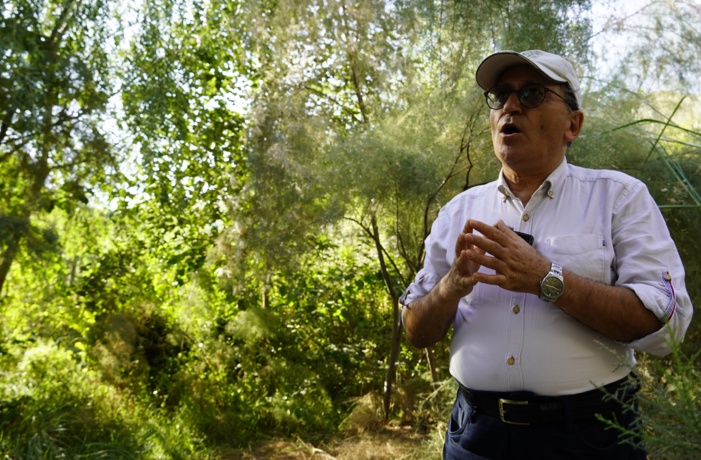
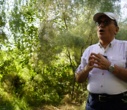
“The mission of the University of Tehran is to respond to the country’s environmental realities,”
“That’s why we’ve focused on native drought-resistant plants. This greenhouse is the result of nearly ten years of effort, and I hope the university will provide us with more space to expand this research.”
A Glimpse into the University’s Most Fascinating Plants
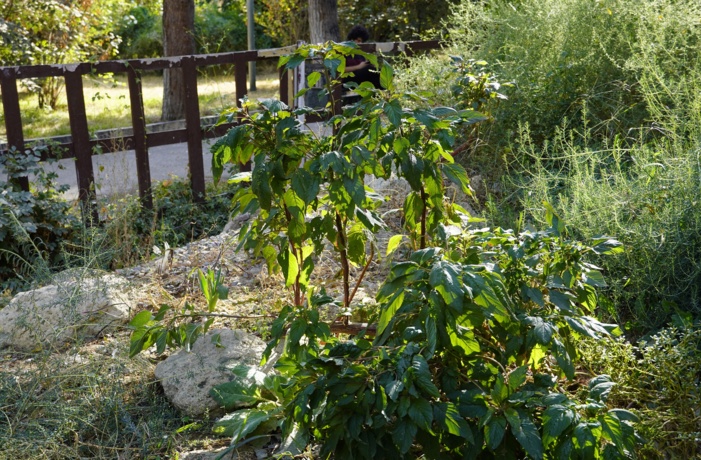
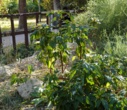
Among the living treasures of the university’s gardens and greenhouse are species collected from across Iran—even from habitats on the verge of extinction.
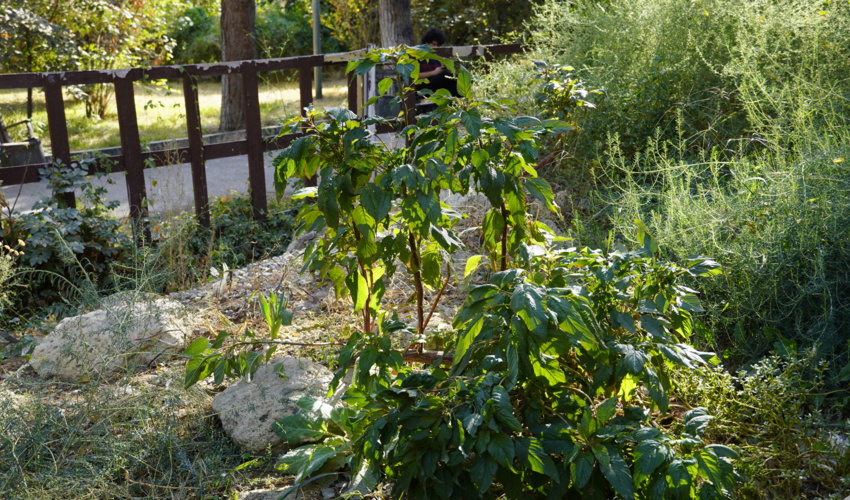
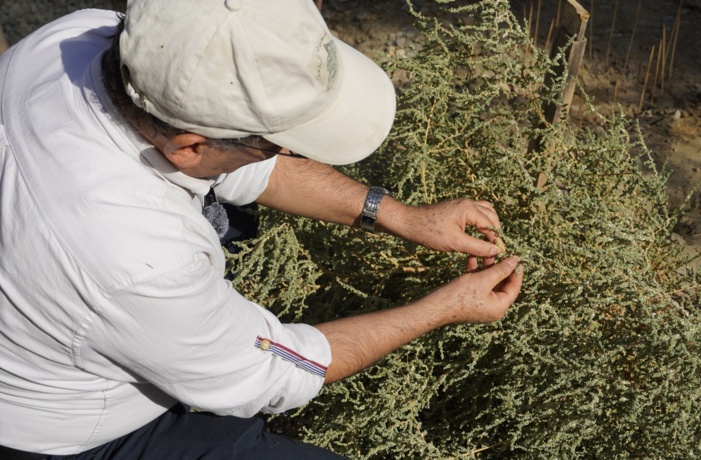
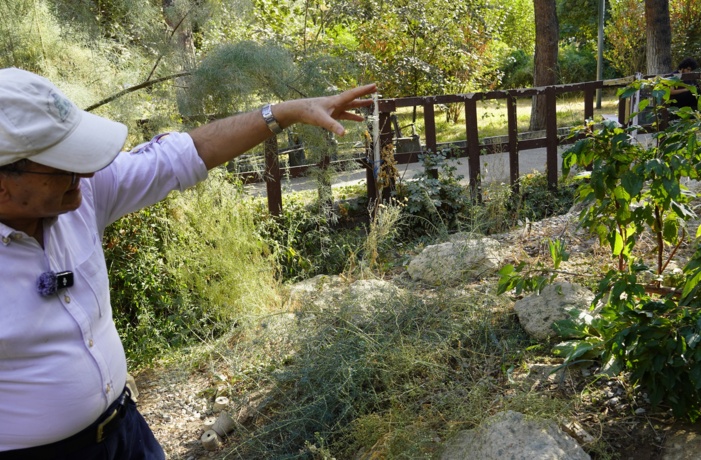
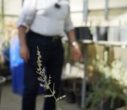
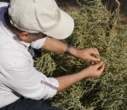
One striking example is Tamarix dioica, a native tamarisk from Sistan and Baluchestan that blossoms in autumn and winter—defying seasonal expectations.
“These native plants are not only beautiful in off-seasons,” Akhani explains,
“but can even be irrigated with greywater and saline water—an essential step toward sustainable green spaces.”
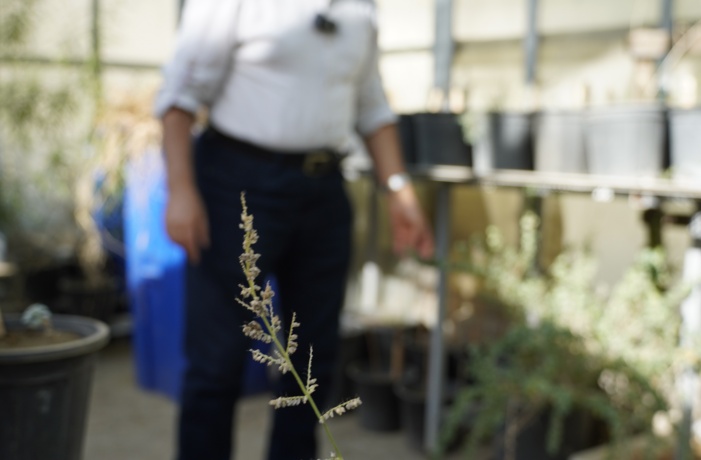
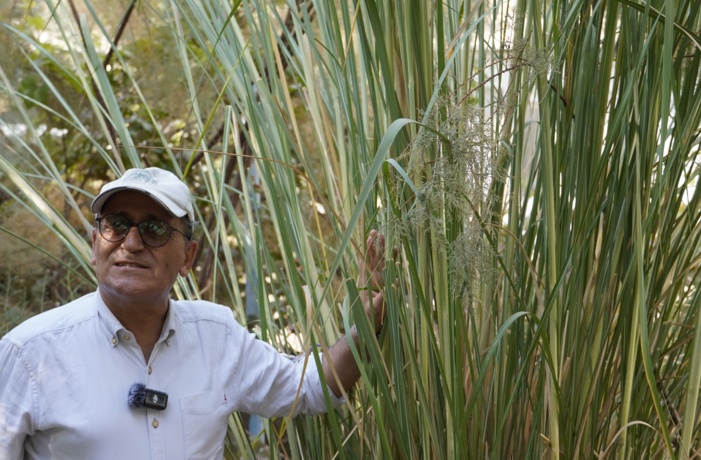
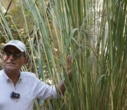
Nearby grows a native sugarcane (Saccharum sp.) from southern Iran, a C₄ plant that requires only half the water of similar species and thrives in extreme heat.
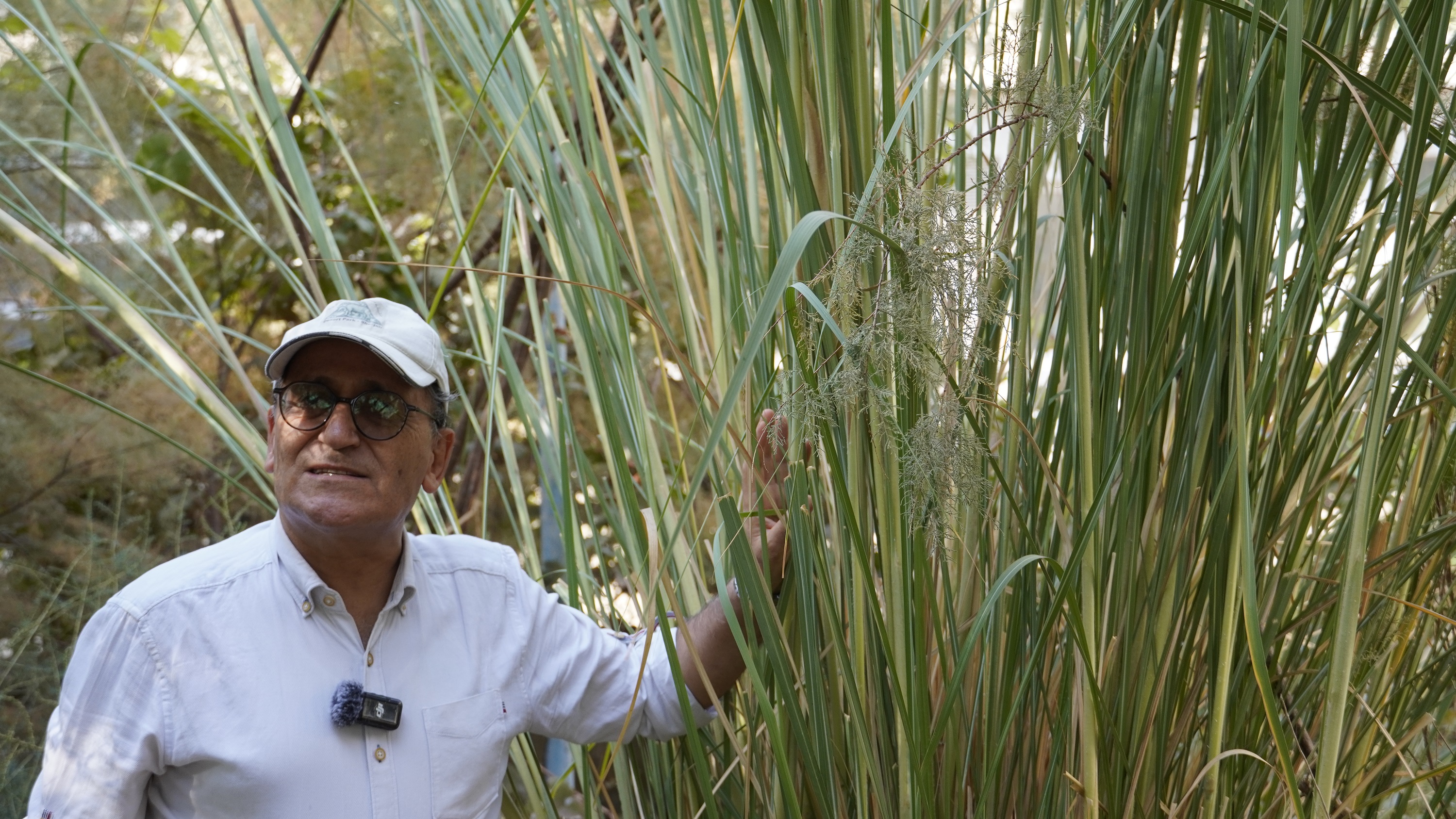
“Iran is one of the world’s most important centers of C₄ plants,” he adds,
“and we must use this biological advantage in urban landscaping.”
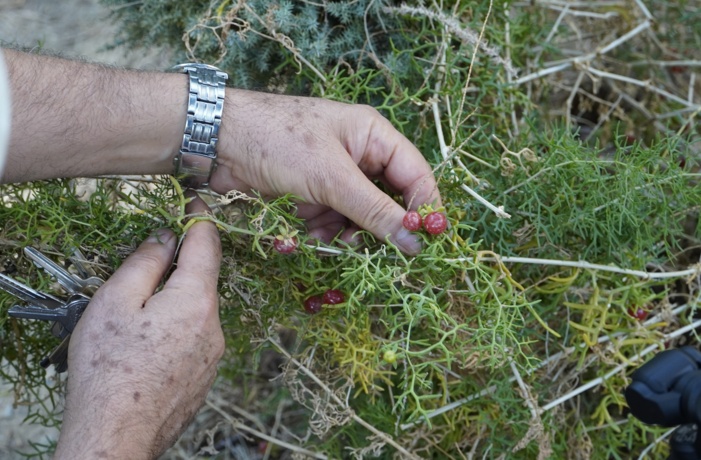
From another corner, Malacocarpus crithmifolius catches the eye with its edible red fruits, while three small shrubs of the Persian juniper (Juniperus polycarpos)—a species never before planted in Iranian urban landscapes—quietly sway in the campus breeze.
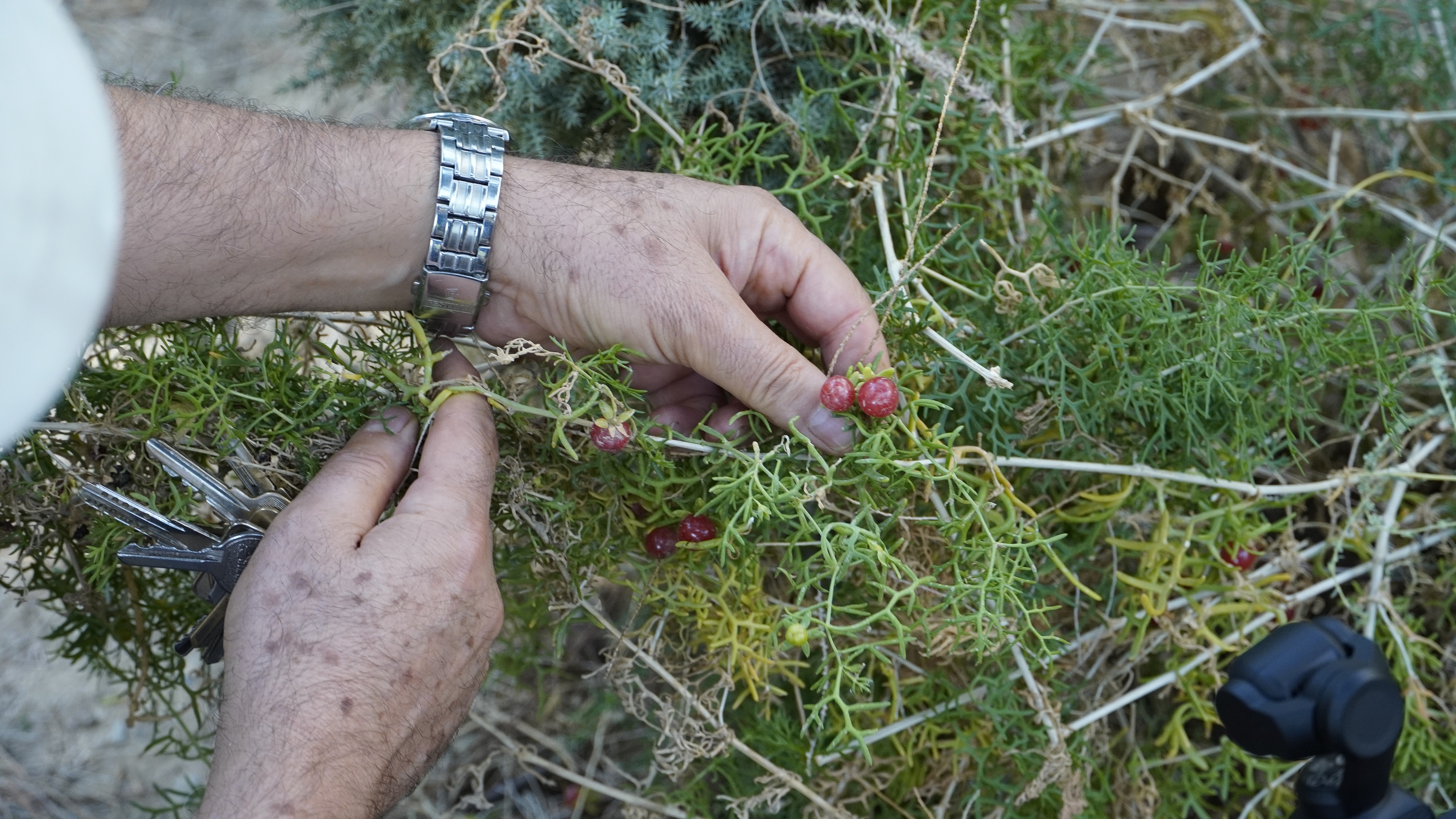
Inside the greenhouse stands Capparis spinosa, the caper plant from Khuzestan, known for requiring almost no irrigation and producing fruit prized for culinary and commercial use.
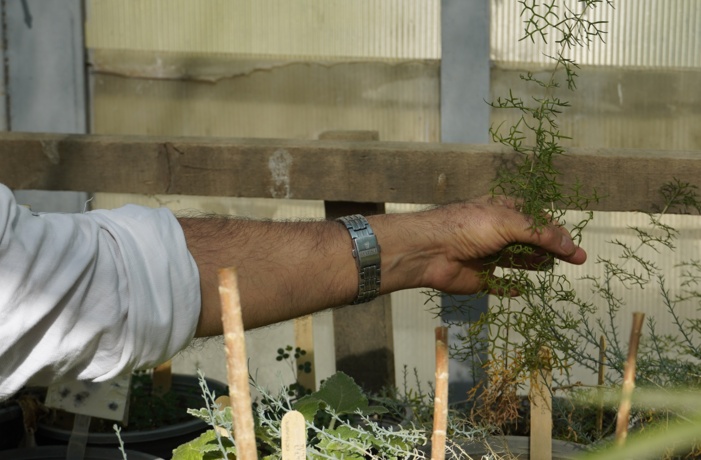
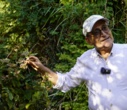
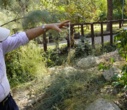
And in a corner of the greenhouse, Akhani points to a fragile species rescued from Khur-e Musa near Bandar Mahshahr:
“In its native habitat, only three or four plants remained. We brought one here and have managed to keep it alive.”
Reimagining an Iranian Landscape
With a critical yet hopeful tone, Dr. Akhani notes that over 90% of the university’s green space is composed of non-native plants:
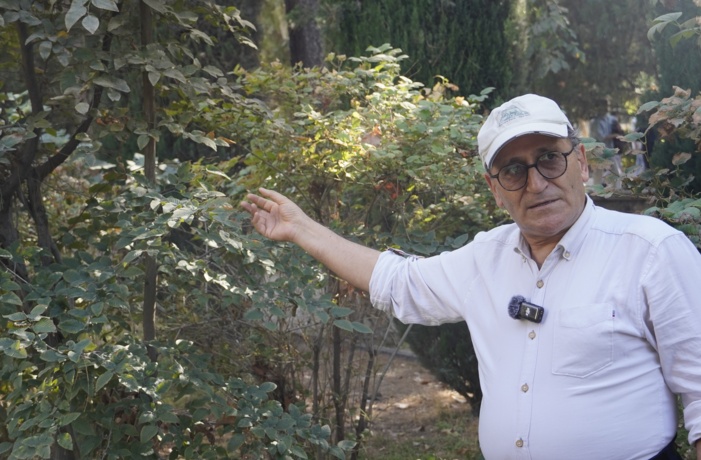
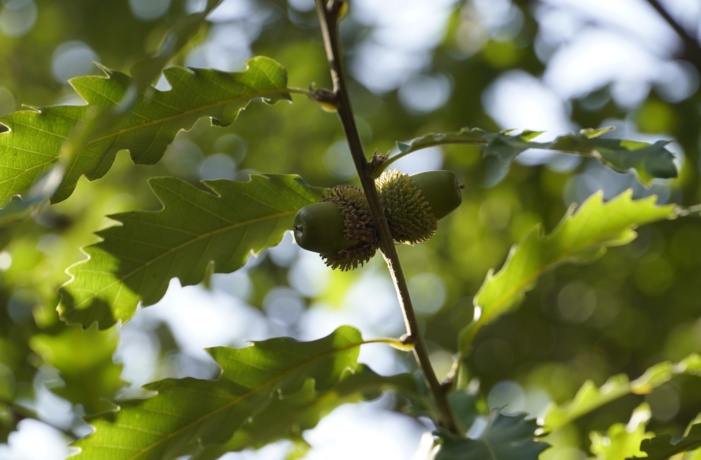
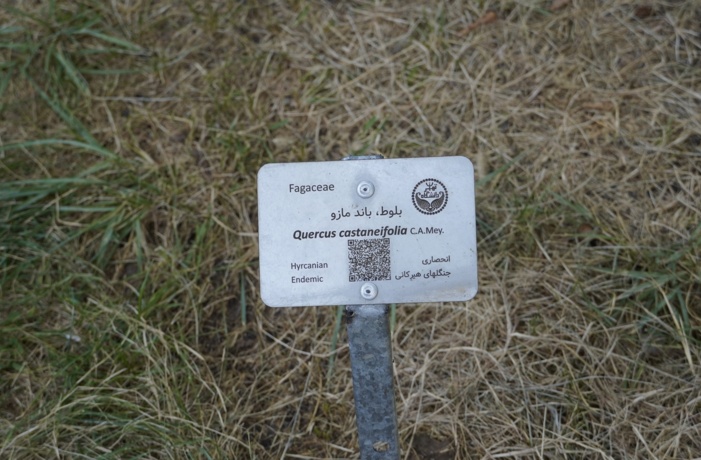
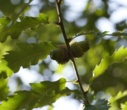
“For years, I’ve been quietly reintroducing native Iranian species. One is the Caspian oak (Quercus castaneifolia), native to the Hyrcanian forests—it seems to love this campus, thriving with remarkable vigor.”
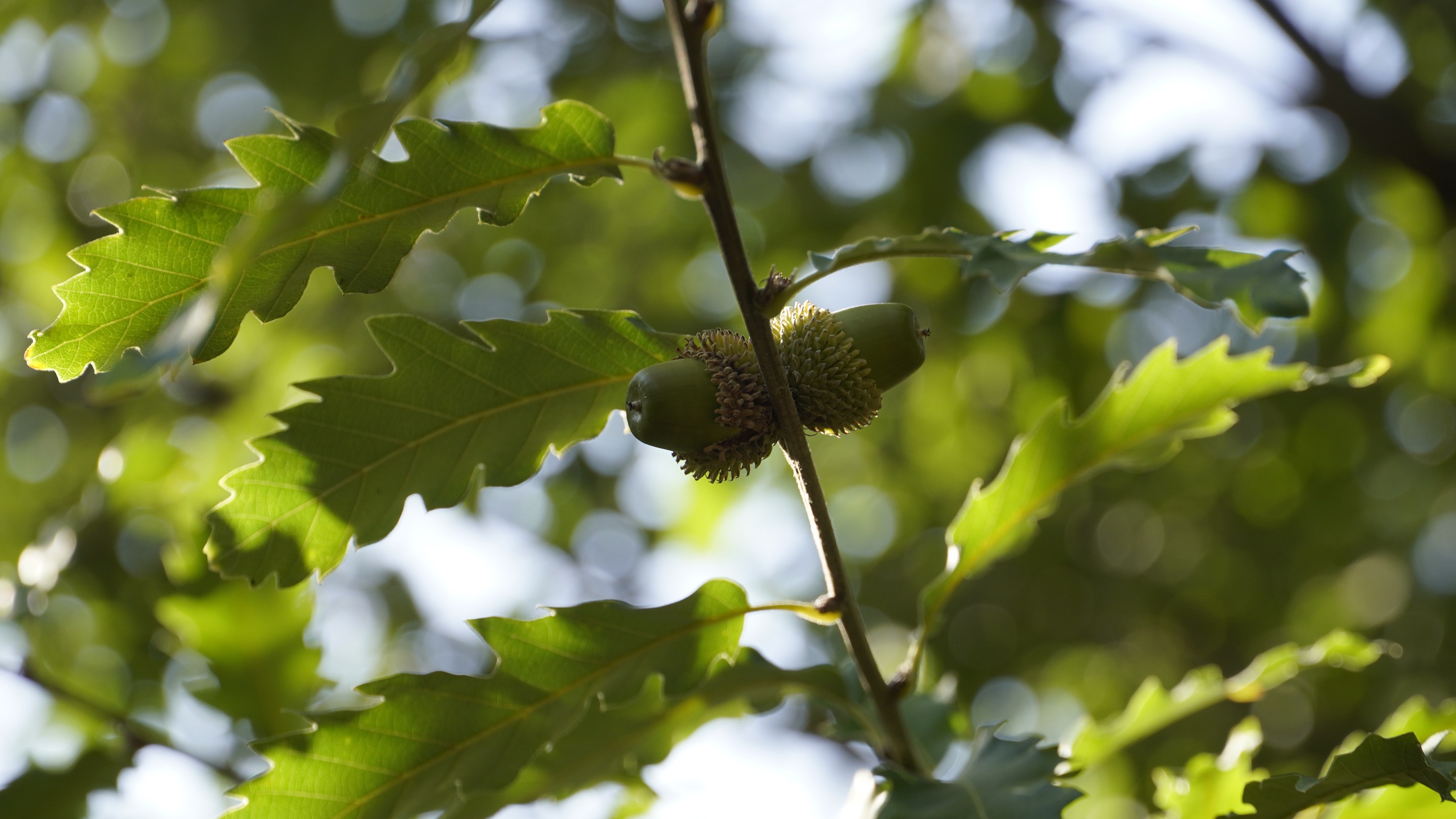
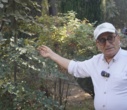
He gestures toward another Hyrcanian native:
“It’s fascinating that this very Iranian plant was once named Plant of the Year by the Royal Horticultural Society in England and is widely used in European landscapes—while here in Iran, it’s almost forgotten.”
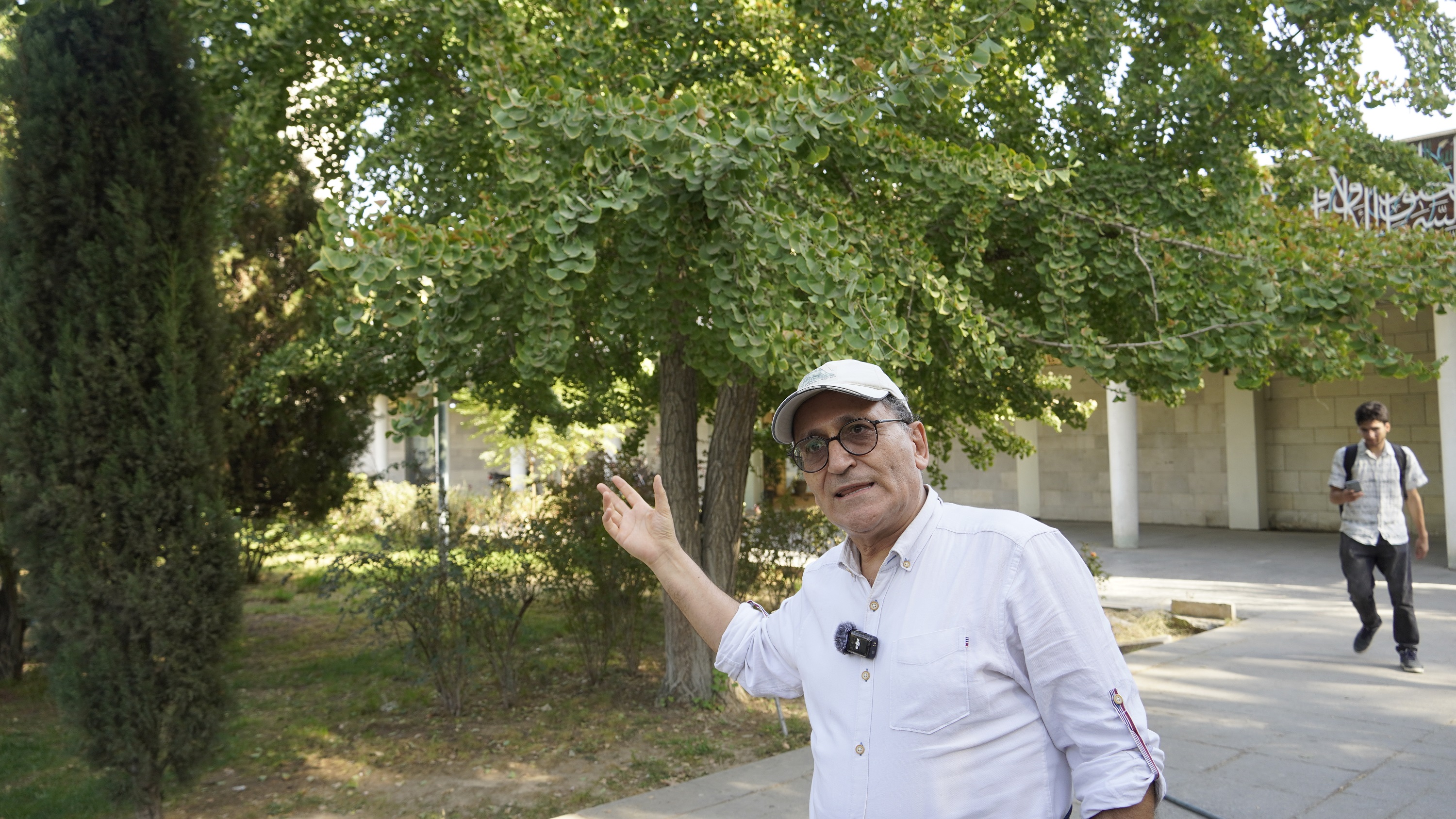
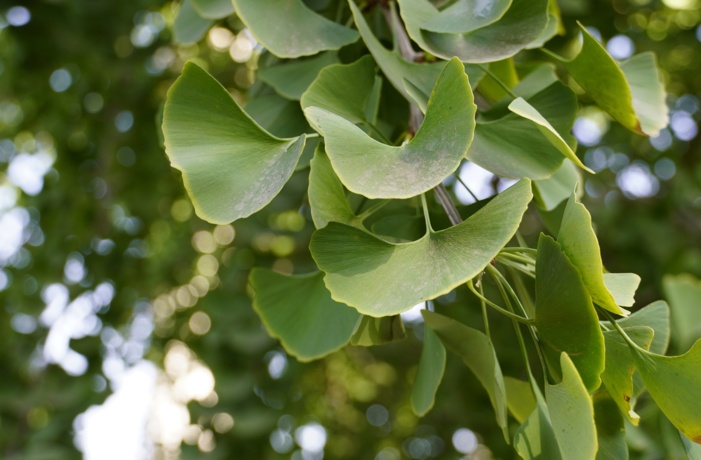
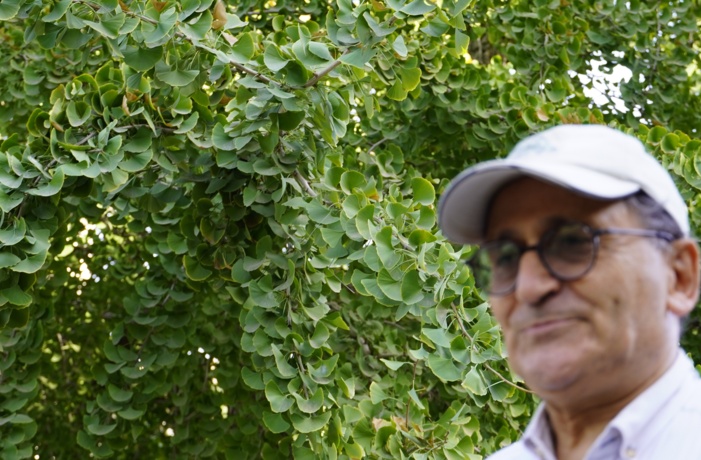
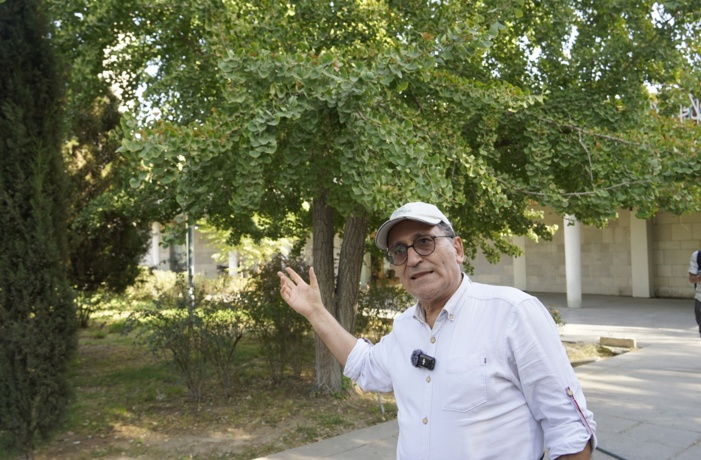
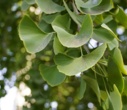
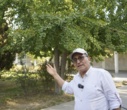
Among the campus trees, Akhani proudly points out the Ginkgo biloba—a “living fossil” once planted around ancient temples in China and Japan.
“We had one right in front of the main university building,” he says with regret,
“but it was cut down—and no one ever asked why.”
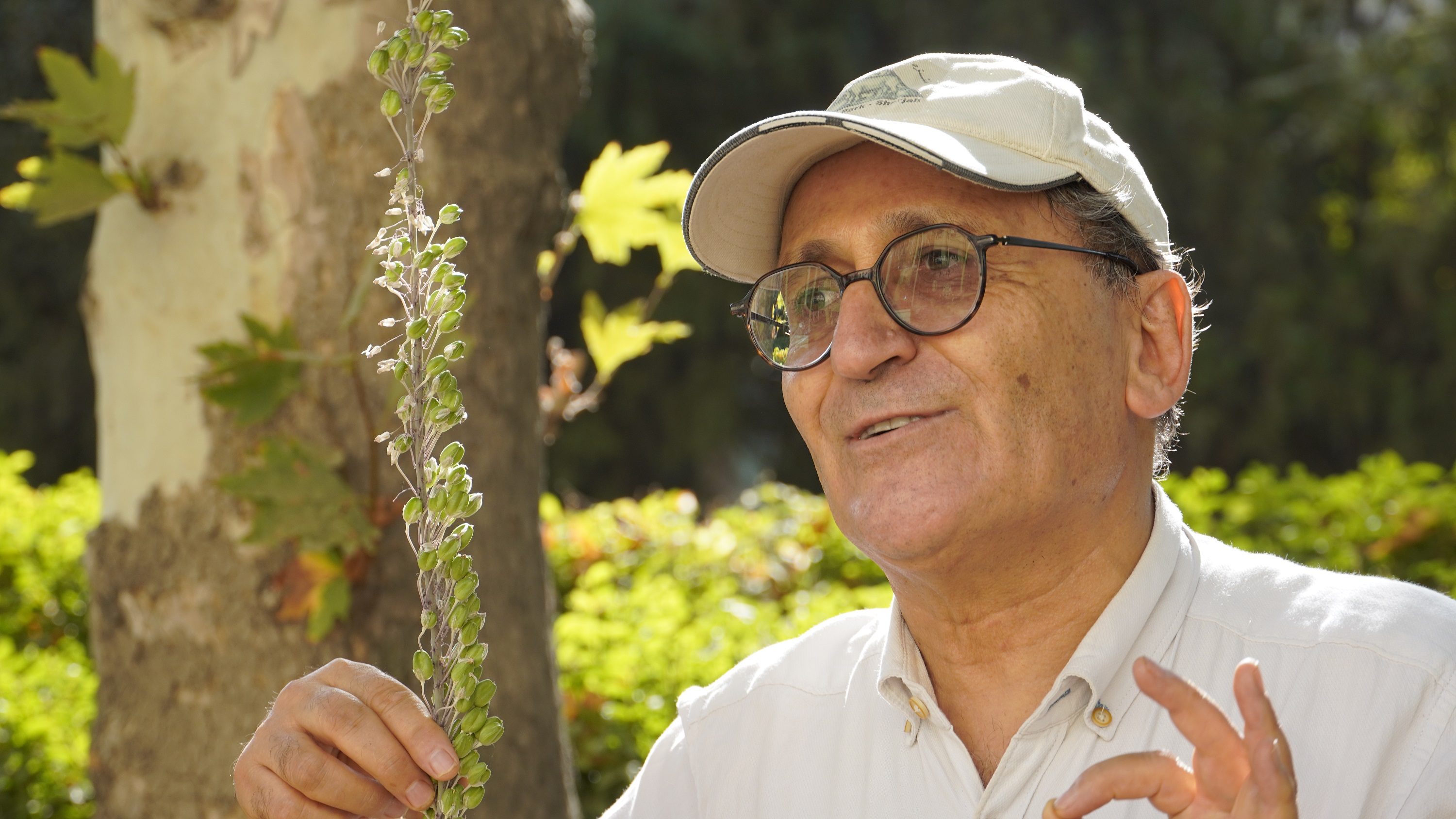
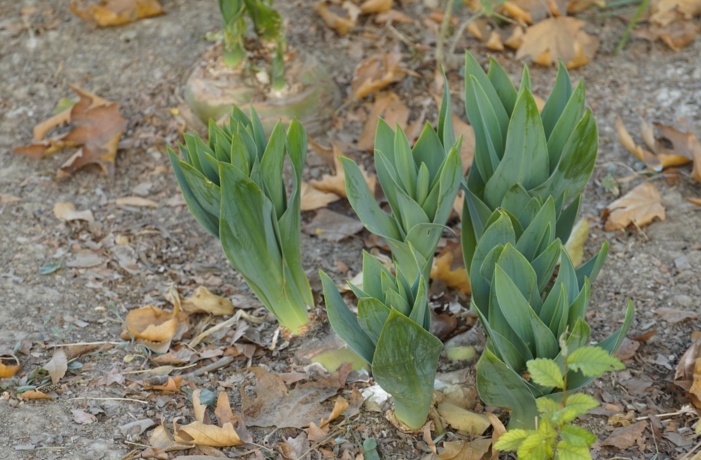
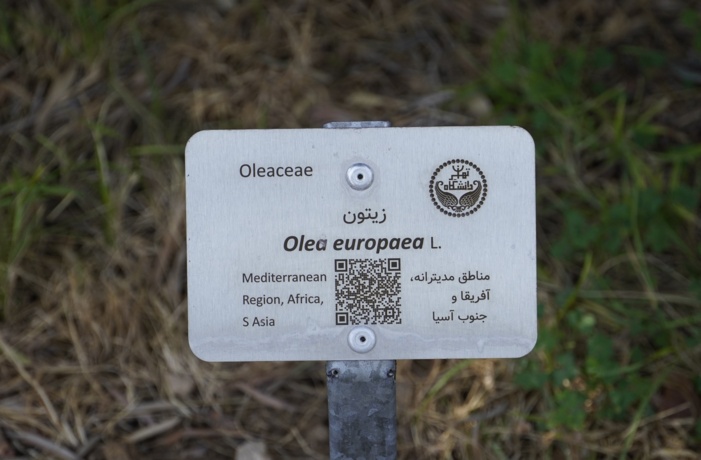
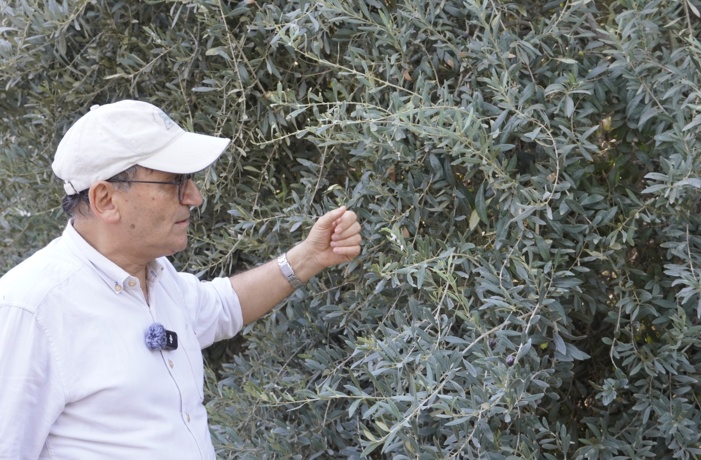
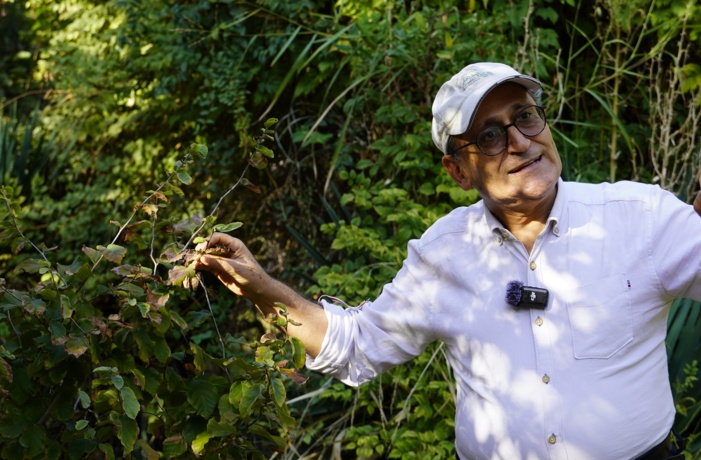
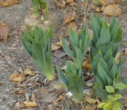
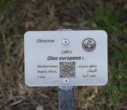
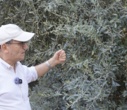
He also showcases Mediterranean olive trees (Olea europaea), a drought-tolerant hornbeam (Carpinus sp.), and the Zagros lily (Drimia maritima), a plant with an almost poetic story:
“We brought this species here twenty years ago. Every autumn it sprouted lush leaves, then withered by spring. We never saw it bloom—until one summer, when a water pipe burst and the plants went unirrigated.
And then, miraculously, in late August, they flowered. We realized our ‘care’ was the very thing preventing their bloom.”
(See the cover photo for this News.)
A Call to Preserve the Living Heritage
“The university’s green space must be as dynamic and inspiring as its classrooms,” says Akhani.
“We need to embrace native, drought-tolerant plants—not make hasty, unscientific decisions. I recently heard someone suggest replacing all lawns with ivy and portulaca—which study justifies such a mistake?”
With conviction, he concludes:
“If we plan wisely, the University of Tehran can become a true national botanical garden—a living symbol of Iran’s ecological heritage.”
Watch the interview clip with English subtitles below.


Your Comment :