
Creativity in Education, the Key to Development
Ehsan Shirkhanlo reporting from the Vice-Presidency for Research and Technology News Desk of the University of Tehran:
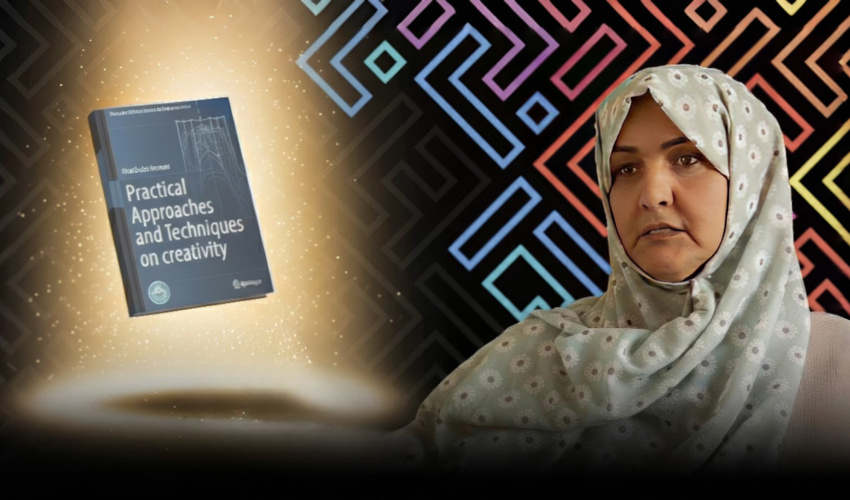
The new book by Dr. Afzal-Alsadat Hosseini, Full Professor of Philosophy of Education at the University of Tehran and founder of the university’s Center for Creativity and Innovation, has been published by the prestigious international publisher Springer.
Titled “Practical Approaches and Techniques on Creativity”, this work is, according to the author, her most comprehensive book on creativity in education—especially in its practical dimension—so far.
Dr. Hosseini, who has devoted three decades of her academic life to studying, teaching, and promoting creativity within Iran’s educational system, has so far authored over 16 books and hundreds of articles in this field and conducted more than 500 creativity workshops across the country.
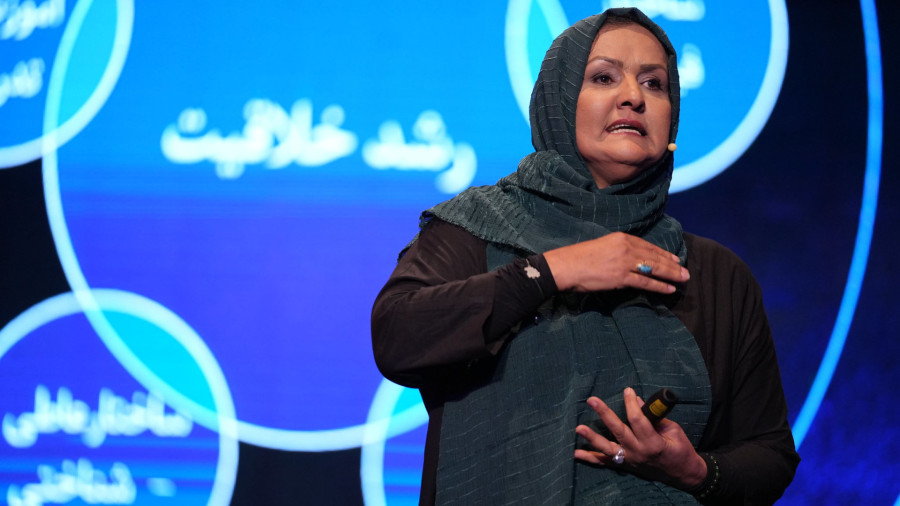
She believes that “Creativity is the key to development, and only a society that prioritizes education—and creativity within education—can truly think about development.”
Dr. Hosseini explained how the idea for her international book took shape:
“During my sabbatical at the University of Melbourne, my colleagues, after seeing my Persian books on creativity, told me: why don’t you publish these in English so that everyone can benefit? The president of the University of Melbourne even told me: ‘We haven’t worked on the theory of creativity as deeply as you have!’ These conversations were the spark that made me decide to gather all my theoretical and practical experiences into one book.”
According to her, Springer warmly welcomed the idea and told her:
“Don’t waste your precious time on tasks we can handle. Focus only on the scientific and specialized parts that you truly master.”
A Book for Teachers Worldwide
Dr. Hosseini said about the content of her book:
“This book helps teachers step by step to develop creativity in themselves and their classrooms. The examples presented have a universal and global nature.”
She added:
“Among all my works, this is the most comprehensive book in the practical and applied aspects of creativity.”

The University of Tehran: A Platform for Growth, but in Need of a New Vision
While expressing gratitude to the University of Tehran for supporting the publication of her book, she also voiced some concerns:
“I know that international engagement has always been among the goals of the University of Tehran, but this role must be much more strongly emphasized. The university should also move away from its traditional approach to education and adopt newer and more creative perspectives. Right now, the university is acting contrary to what I have advised in my book—which, ironically, has been praised globally.”
The Tangible Results of Creativity Training
Dr. Hosseini expressed satisfaction with the outcomes of her long-standing efforts in promoting creativity:
“Many teachers have told me that their professional lives are divided into before and after attending my creativity workshops. I also have a fascinating story to share: in one of my classes, I taught students how to create coded letters. Later, their teachers told me that they had invented secret words and were communicating with each other in class through them—something that no one else could understand!”

“Creativity is the Only Force That Can Revive Education”
In conclusion, she said:
“I have a lifelong dream—to see a day when schools and universities across the world pay deep attention to creativity and realize that creativity is the foundation of transformation.”
She also compared the state of creativity in Iran to that in other countries, saying:
“A lump rises in my throat when I see how much difference there is between us and developed nations in the field of education. In my opinion, our educational system is in a coma—lifeless—and only the spirit of creativity can bring it back to life.”
She concluded with a heartfelt appeal to policymakers:
“I have only one request: have you ever asked yourselves whether there might be another way to improve the quality of education? If you have, then know this—the answer lies in creativity.”
Watch the interview clip with English subtitles below.
Your Comment :