Young Iranian Scientist Wins UNESCO’s Man and the Biosphere (MAB) Award
Ehsan Shirkhanlo reporting from the Vice-Presidency for Research and Technology News Desk of the University of Tehran:
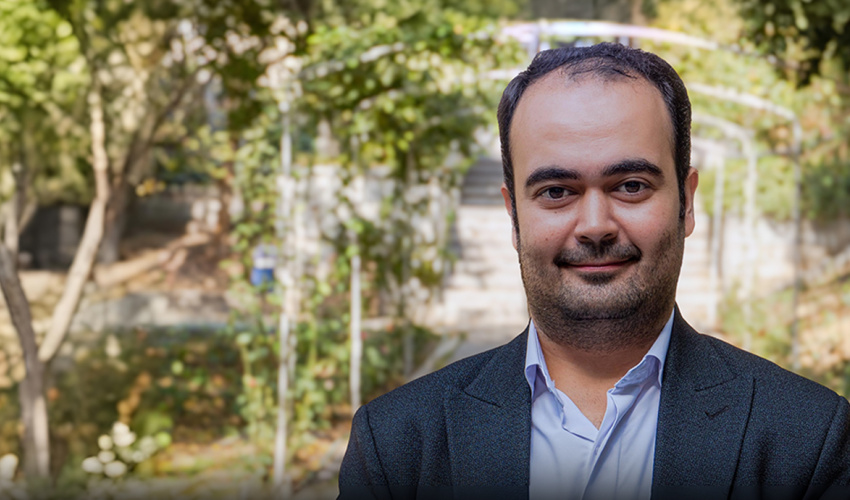
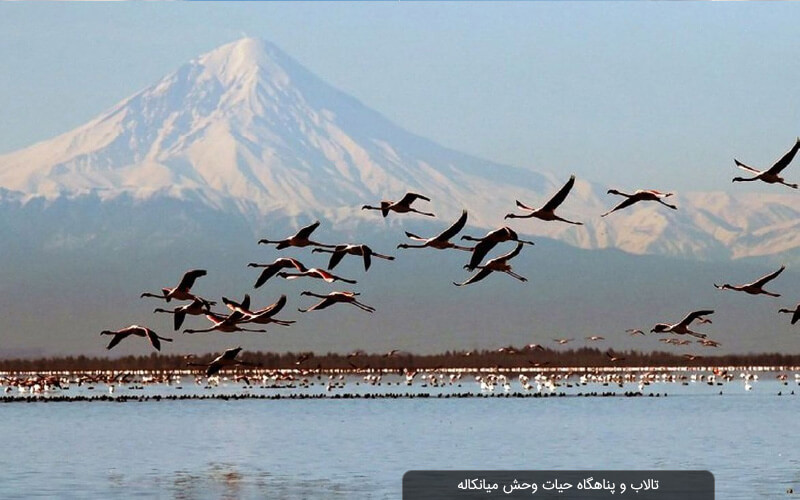
Dr. Behzad Ghiasi, faculty member at the School of Environment, University of Tehran, has won the prestigious UNESCO Man and the Biosphere (MAB) Young Scientist Award 2025 for his research project on developing a sustainable tourism model in the Miankaleh Biosphere Reserve.
This highly competitive international award, presented annually to only 11 outstanding young researchers from around the world, recognizes innovative projects that successfully bridge sustainable development and environmental conservation. Dr. Ghiasi was selected as the only representative from the Islamic Republic of Iran among this year’s global laureates.
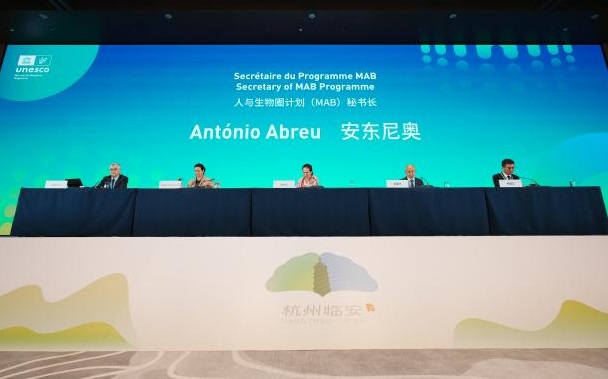
Dr. Ghiasi’s award-winning project, titled “Developing a Sustainable Hydrotourism Model in the Miankaleh Biosphere Reserve,” is built upon three key pillars:
- Wetland ecosystem restoration
- Creation of green jobs
- Empowerment of local communities
According to Dr. Ghiasi, wetlands are not only vital habitats for diverse plant and animal species but also play a crucial role in human health, local economies, and environmental security.
He explained:
“In Iran, the true value of water resources is still not properly understood by the general public. Through the concept of hydrotourism, we aim to communicate this importance in tangible, experiential ways that people can directly engage with.”
From Zarch Qanat to Miankaleh: A Model for Change
Referring to the successful restoration of the Zarch Qanat as an example of hydrotourism in action, Dr. Ghiasi said:
“The Zarch Qanat, once used for wastewater disposal, was revived through local community efforts. During Nowruz, it attracted more than 7,000 visitors. This experience proved that hydrotourism can serve as a viable alternative to traditional agriculture-dependent livelihoods, while simultaneously promoting water conservation.”
He continued:
“The same approach can be applied to Miankaleh. If managed properly, it can both preserve its fragile ecosystem and contribute to the sustainable economic growth of the region.”

The Main Goal of This Project
Dr. Ghiasi emphasized that the project’s ultimate goal is to create a localized model that integrates wetland conservation with community-based economic development—a model praised by UNESCO’s international review panel. The project is set to be implemented over the next two years with UNESCO’s support.
“When local communities realize that protecting their wetlands can also sustain their livelihoods, destructive exploitation will naturally decrease. This awareness is the missing link in many environmental initiatives,” he added.
A Global Honor for Iran’s Environmental Science
Dr. Ghiasi’s achievement not only underscores the scientific prominence of the University of Tehran but also marks a significant advancement in Iran’s environmental diplomacy.
This recognition reaffirms the vital role of applied, interdisciplinary research in addressing global environmental challenges and highlights the growing contribution of Iranian scholars to the international dialogue on sustainable development.
(PARS MEDEQ company, sponsor of Vice-Presidency for Research and Technology News Desk)
Your Comment :