
Interview with an Award-Winning Young Researcher in Biology at the Abu Rayhan Biruni Award Ceremony
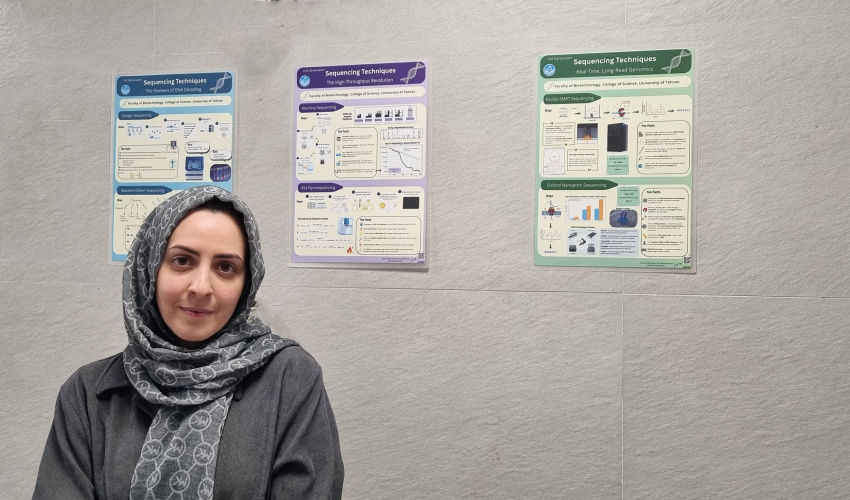
The Vice-Presidency for Research and Technology News Desk of the University of Tehran:
In the eleventh ceremony honoring Abu Rayhan Biruni, which aims to identify and appreciate the country's young and elite researchers, 5 distinguished researchers from the fields of mathematics, physics, chemistry, biology, and geology were honored by the Basic Sciences Group of the Academy of Sciences.
Among them, a researcher from the University of Tehran received the prestigious Abu Rayhan Biruni award. What follows is an interview with this young talent about her scientific achievements and research path.
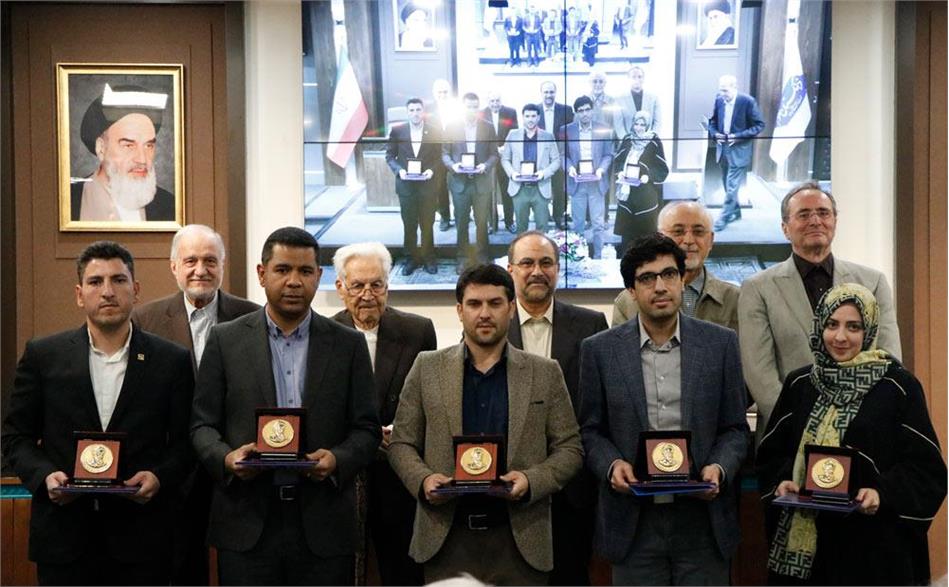
First row from right: Dr. Mahmoud Mehrmohammadi, Dr. Ali Akbar Salehi, Dr. Mohamad Reza Mokhber, Dr. Yousef Sobuti and Dr. Saeed Sohrabpour
Second row from right: Dr. Mohya Mehrmohammadi, Dr. Hossein Lamee Ramandi, Dr. Meysam Rastegari Mehr, Dr. Mohammad Hassan Vahidinia and Dr. Hossein Molavi
Early Diagnosis with a Simple Blood Sample
Dr. Mahya Mehrmohamadi, Assistant Professor at the Department of Biotechnology, University of Tehran, has devoted many years at the University of Tehran, Stanford University, and biotech companies in Iran and the US, to research and development of accurate blood tests for early detection of diseases. This technology can overcome the challenges of current invasive clinical screening methods. Dr. Mehrmohamadi’s goal is to validate and optimize such tests for clinical use in the Iranian population.
In describing her large-scale research project, she stated:
"Our ultimate goal is to make early diagnosis of diseases like cancer, simple and accessible for everyone by developing new blood-based tests and screening methods."
Referring to issues associated with common cancer screening methods which are often invasive or expensive, and the lack of any screening methods for many fatal cancers, she added: "The world has turned to liquid biopsy tests for over a decade now. These tests are used not only for diagnosis but also for monitoring treatment response and predicting disease recurrence."
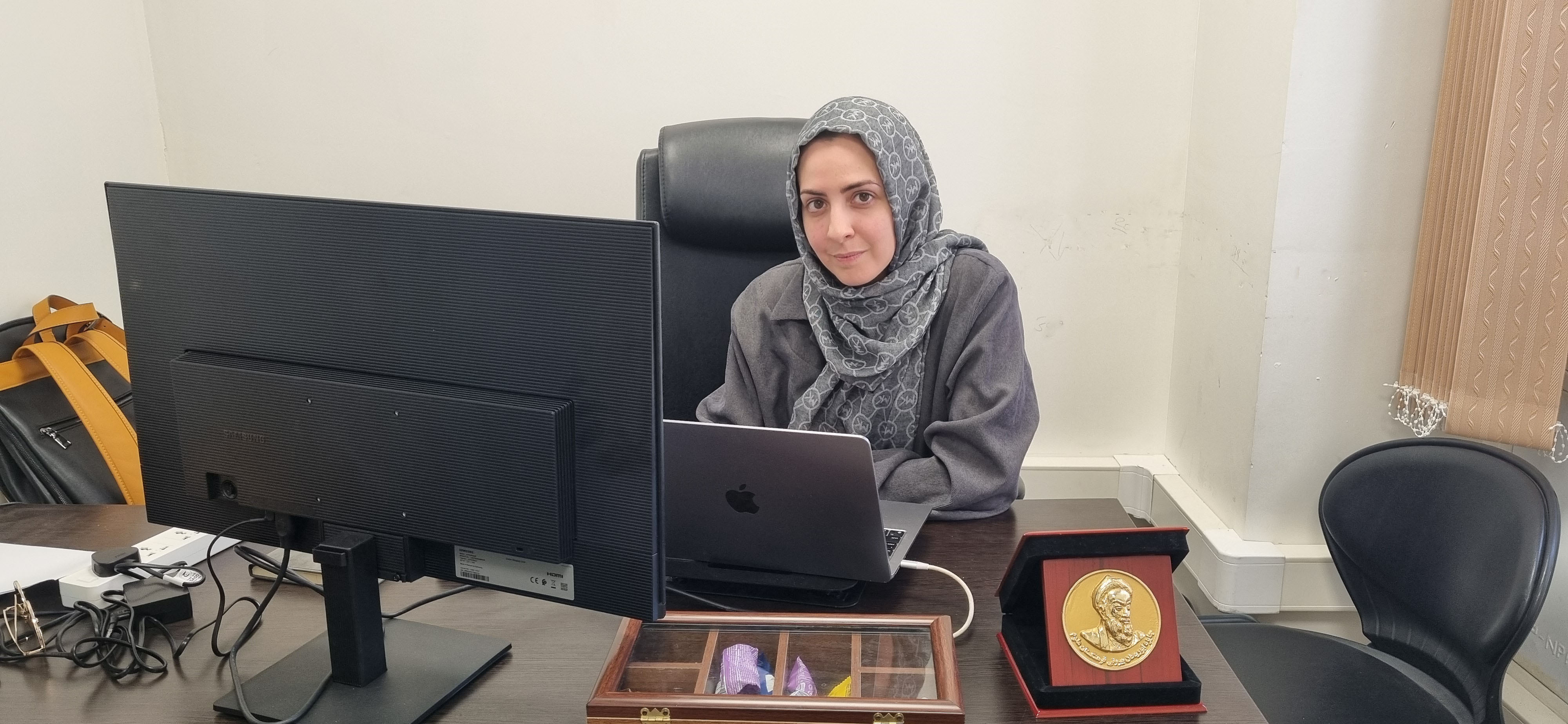
Focus on Epigenetic Markers Instead of Genetic Mutations
Dr. Mehrmohamadi highlighted the strength and innovation of her research as the focus on "epigenetic markers," explaining: "Many common tests available worldwide focus solely on identifying mutations in the DNA sequence. But our approach looks at epigenetic biomarkers. These changes, which may result from environmental factors, diet, and lifestyle, are not limited to cancer, and can be used for the early diagnosis of a wide range of diseases such as autoimmune and heart diseases."
From Stanford University to University of Tehran: The Path of Knowledge Transfer and Associated Challenges
Dr. Mehrmohamadi, referring to her research projects at Stanford University which led to the publication of reputable papers in 2022 and 2025, noted: "After returning to Iran, in collaboration with Sina Hospital, we have started a project to develop a blood-based diagnostic test for multiple sclerosis (MS). We hope this test can help with regular and accurate disease monitoring in the future instead of or in combination with the current method of MRI imaging."
She listed the biggest challenges facing this technology in Iran as "the high cost of supplying laboratory equipment and consumables, sanctions, and challenges in collaborating with medical centers," adding:
"The tests available in the global market are primarily developed based on Western population data, and optimizing them for the Iranian population, considering genetic and environmental differences, is an undeniable necessity."
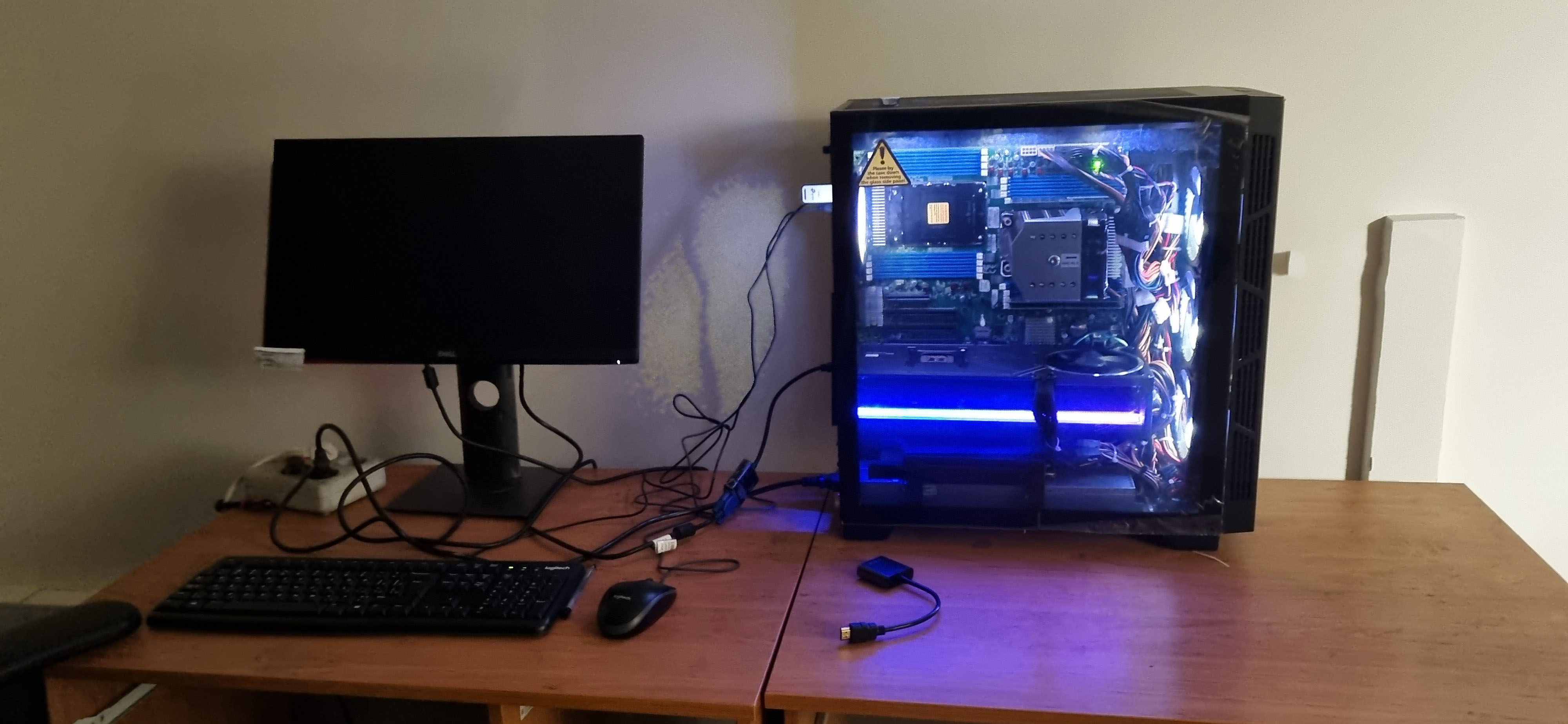
Computing server with powerful processor for conducting research
Future Outlook
Expressing hope about the positive impact of receiving the "Young Researcher Award" on the progress of this research, she said: "I hope collaboration between academia and medical centers will be facilitated, and a network of the country's prominent researchers in this field will be formed."
At the end, regarding her motivation for returning to Iran, she said:
"Although the working and living conditions abroad were more favorable, I felt that the impact of the same scientific work in my own homeland could be much greater and more satisfying. We have capable and talented researchers and students in Iran, and if the minimum necessities for peace and work are provided, we can witness the flourishing of many technologies in the country."
Dr. Mehrmohamadi, also referred to the formerly unique scientific standing of the Biotechnology department at the University of Tehran, and requested that officials, by removing obstacles, once again pave the way for restoring the favorable scientific environment in this department.
Your Comment :