
The Role of the Journal of Archaeological Studies in Linking Science, Culture, and Society

Kosar Shakori from the Vice-Presidency for Research and Technology News Desk of the University of Tehran:
Dr. Hassan Fazeli Nashli, the editor-in-chief of the Journal of Archaeological Studies, while explaining the scope and objectives of this specialized publication, stated: "This journal focuses on the archaeology of Iran and neighboring regions, and the time frame of its research covers the period from the Paleolithic era to the late historical periods."
According to him, the main approach of this publication is based on data-driven research and adherence to international scientific standards:
"Our effort is to provide a platform for the presentation of works by Iranian and international researchers, while maintaining the quality of peer review and publication, and to link the scientific view of archaeology with a cultural and social approach."
Dr. Hassan Fazeli Nashli elaborated on the main policies of the journal:
"We accept articles that have high scientific citation potential, contribute to the global expansion of Iranian studies (Iranology), and are effective in solving contemporary issues such as the climate crisis and environmental challenges."
Referring to the publication of articles on climate change, environmental issues, and the causes of the collapse of human societies, he noted:
"Such articles help researchers to understand the relationship between natural conditions and cultural transformations with a more analytical approach and to expand their interdisciplinary perspective."
The editor-in-chief of the *Journal of Archaeological Studies* also emphasized the role of research in strengthening the country's cultural identity, stating:
"Iran is a land with extensive cultural diversity, and its various ethnic groups are connected to each other culturally and even genetically. One of our goals is to highlight this cultural connection and continuity in the articles published in the journal."
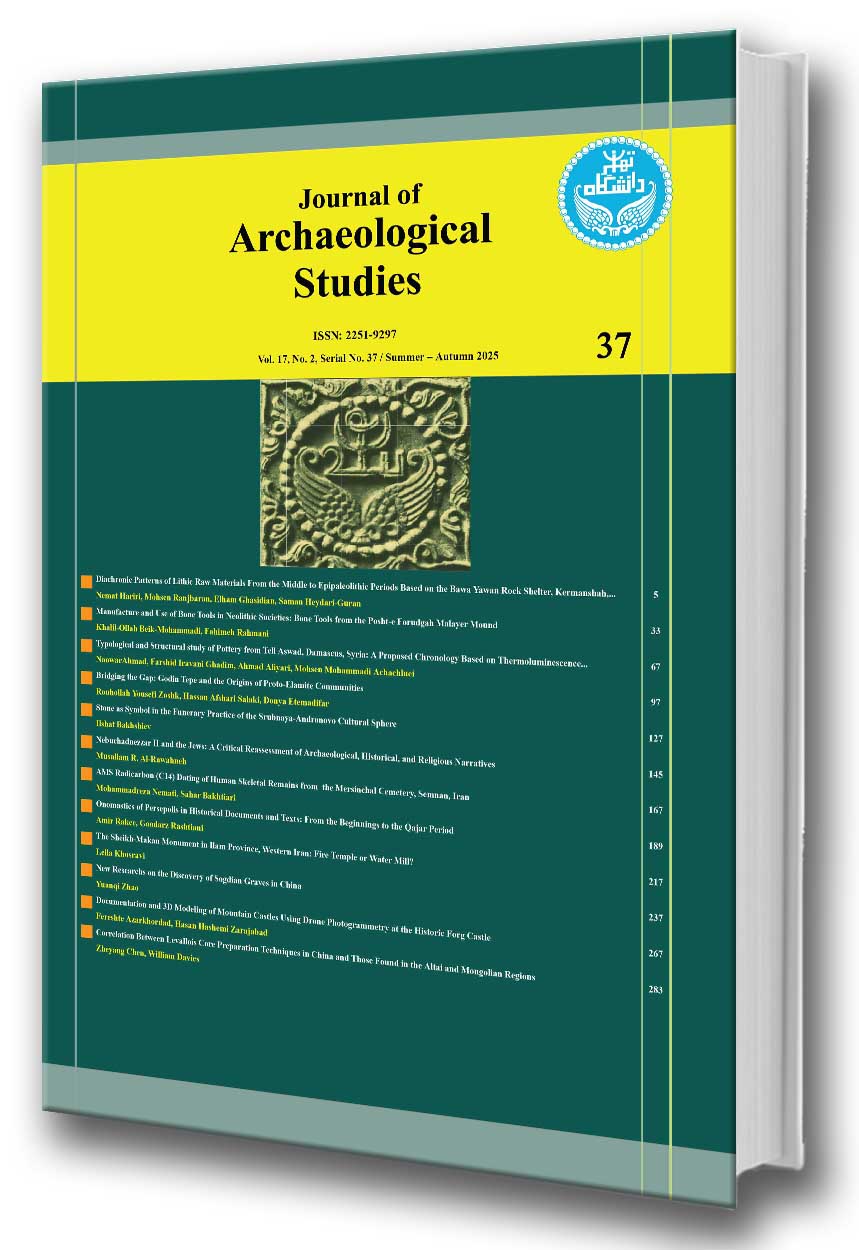
According to Dr. Fazeli, archaeological research published in this journal can effectively play a role in understanding the environmental adaptations and cultural changes of past societies, in addition to clarifying the historical patterns of human settlement. As an example, he pointed to the studies conducted in Hout Cave in Mazandaran, which, in his words, "have provided new perspectives on the earliest human settlements and the formation process of early societies."
Finally, referring to the existing challenges in the publication process, he said:
"Maintaining international standards alongside responding to the needs of indigenous research is one of our main concerns. Despite the shortage of English-language editors and specialized reviewers, our effort is to maintain the scientific quality of the journal at a lasting level."
Your Comment :