
Research and Development at Jinoudaneh Danesh Arya Company, a Leading Center in the Production of Competitive Hybrid Seeds in Iran

Kosar Shakori from the Vice-Presidency for Research and Technology News Desk of the University of Tehran:
The managers and researchers of the knowledge-based company *Jino daneh Danesh Arya* announced that the activities of this company in recent years have played a fundamental role in achieving self-sufficiency in hybrid seeds of vegetable and cucurbit crops, which until now, as a key production input, had been dependent on imports from foreign companies.
Commercial hybrid seed or first generation (F1) refers to improved cultivars obtained from the crossing of two pure and well-defined lines, from whose cross the best combination of traits is achieved. Hybrid seed production technology requires a multi-year, coherent breeding program with the participation of specialists in various fields, including horticultural sciences, plant breeding, plant pathology, and molecular genetics. This process is time-consuming and requires strong determination, planning, and capital allocation over a relatively long period. Therefore, prior to this, the complete cycle of hybrid seed production had not been implemented in Iran, and hundreds of millions of dollars are spent annually on their import.
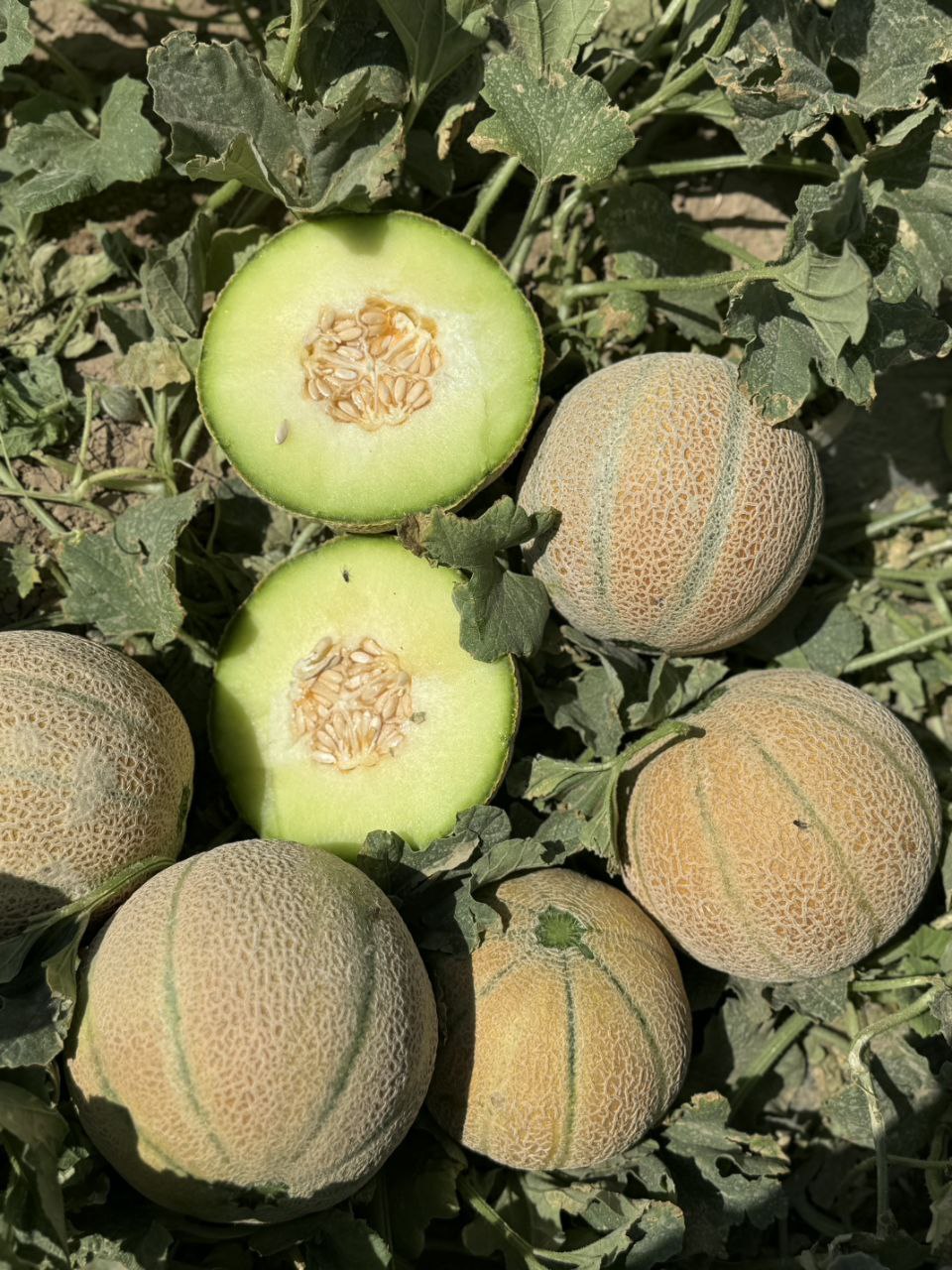
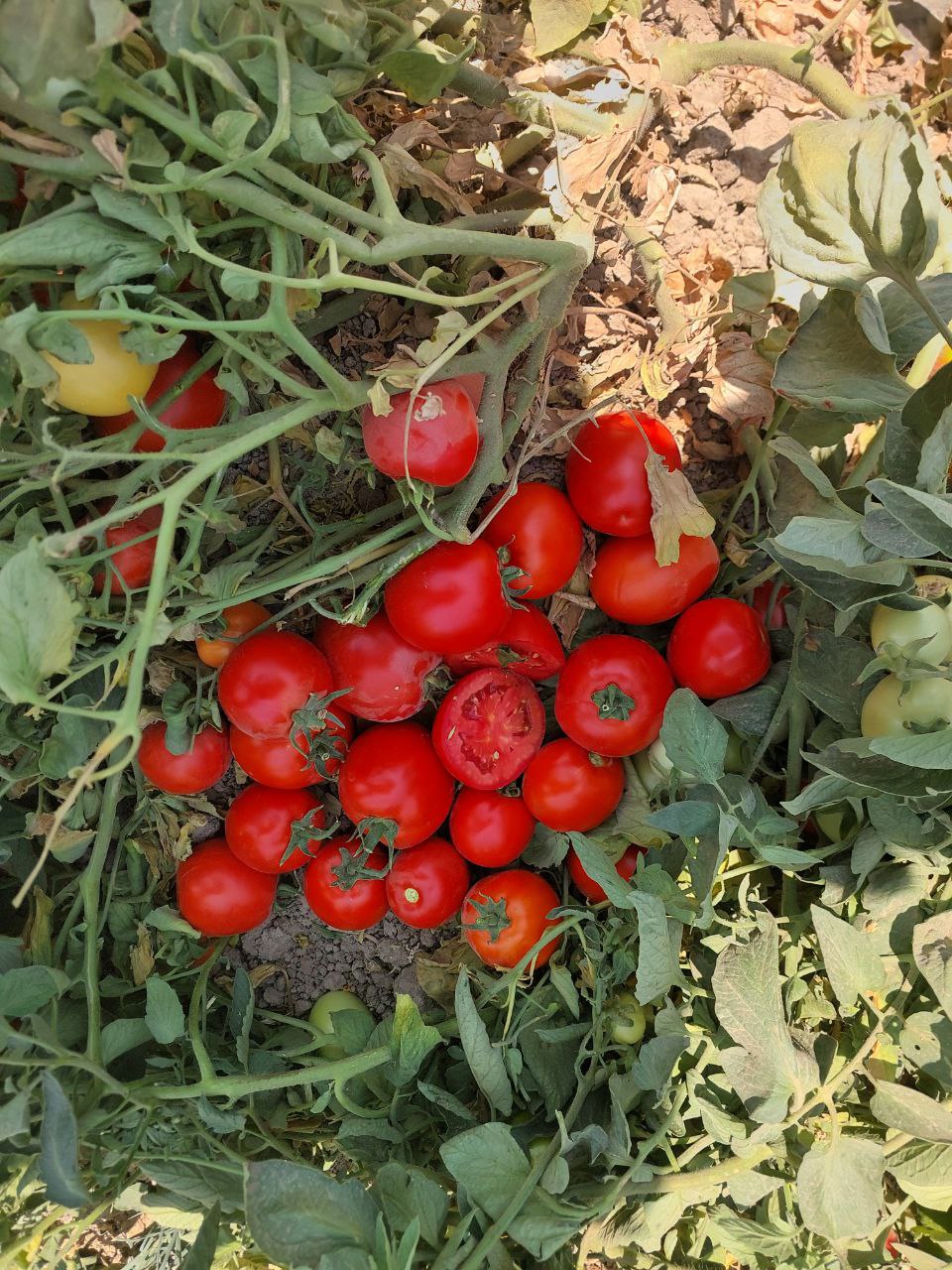
Greenhouse products of the company
Dr. Mahmoud Lotfi, Associate Professor at the Faculty of Agricultural Technology of Abu Reyhan Campus and Chairman of the Board of Directors of the company, stated:
“Jino daneh Danesh Arya Company was established in 2020 with the support of a decade of coherent research activity, and it is now deepening and expanding its market by institutionalizing commercial hybrid seed production technology. This knowledge-based company, which is located in the Science and Technology Park of the University of Tehran, employs 10 permanent staff members and approximately 25 seasonal workers who operate in three commercial production units with an area of about 10,000 square meters. Through continuous and focused activities, the company has so far registered two hybrid melon cultivars named *Faraz* and *Unique* and three commercial hybrid tomato cultivars named *Rosha*, *Yuna*, and *Accent* in the National Variety List and has entered them into the commercialization process. Most of these cultivars are competitive with the best imported varieties in terms of yield, fruit quality, and disease resistance.”
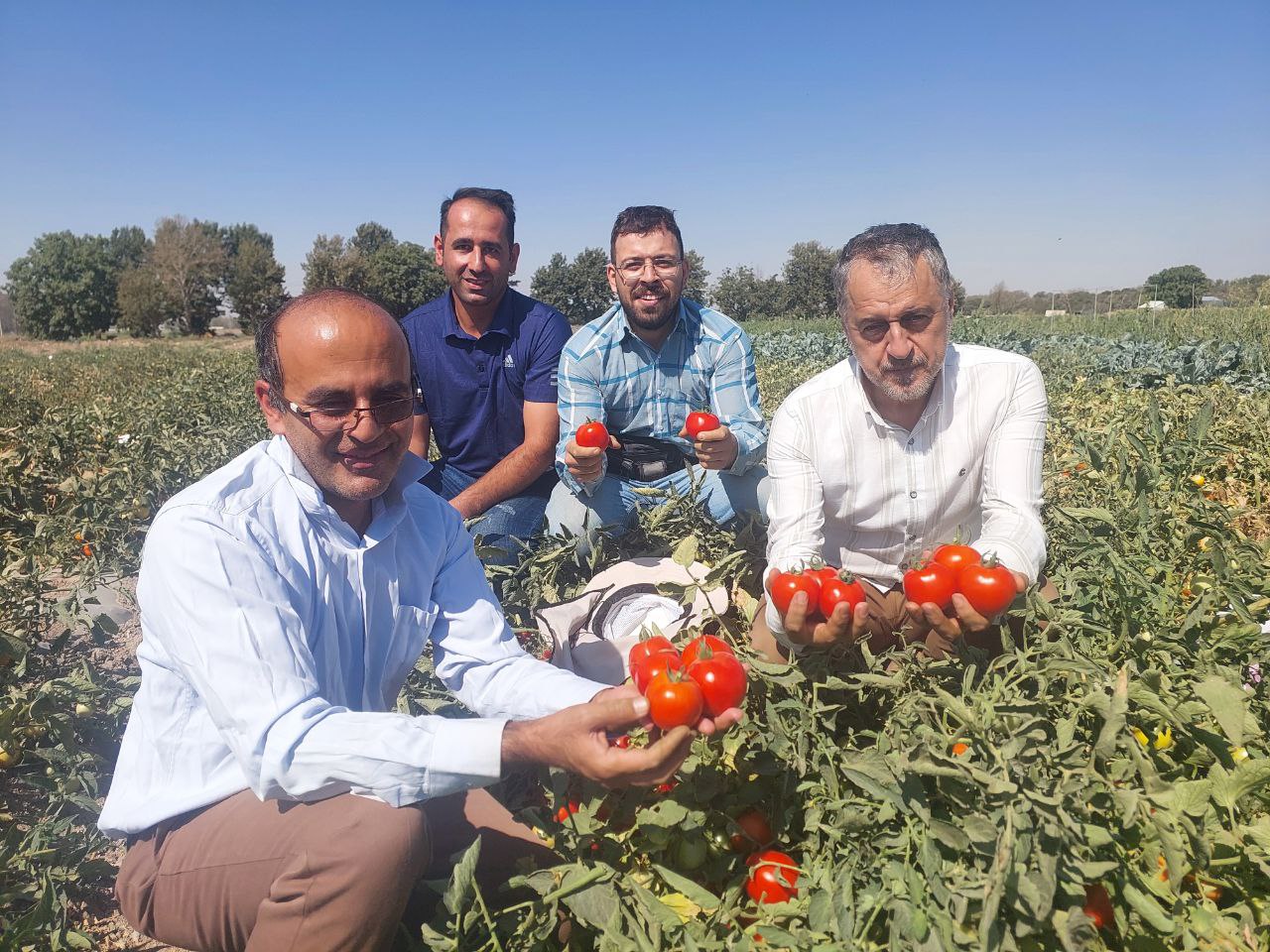
Dr. Hossein Ramshini, Associate Professor at the Faculty of Agricultural Technology of Abu Reyhan Campus and a member of the Board of Directors of the company, also referred to the extensive research and development activities in the company’s greenhouses and emphasized:
“We implement continuous breeding programs for the development of new hybrid cultivars, especially in tomato and melon, so that in addition to competing with imported varieties, they can meet the needs of farmers.”
While explaining the scope of research work in the company’s fields and greenhouses for the production and evaluation of dozens of populations and hundreds of breeding lines, he stated:
“Our success in developing tomato hybrids resistant to TYLCV virus is a national achievement, since this virus can destroy more than 90 percent of the crop in infected regions.”
In another part of his remarks, he referred to laboratory activities and said:
“Achieving rapid and accurate results to compete with long-established global companies requires the use of advanced technologies. At Jino daneh Danesh Arya Company, the use of molecular markers linked to target genes for the identification of desirable genotypes in segregating generations, or the use of pathogenic isolates to evaluate line resistance, is very common. In addition, activities for rapid breeding and purification through doubled haploidy have been initiated.”
Dariush Tafrihi, the company’s CEO and a PhD student in Horticultural Sciences, explained the technical details of large-scale hybrid seed production and, referring to specialized controlled pollination techniques, stated:
“Given the importance of ensuring genetic purity, the process of collecting pollen from the male parental lines and transferring it to the flowers of the female parent is carried out by trained and skilled personnel under the supervision of experts.”
He added:
“One of the important issues is quality control of the produced seeds, which includes the entire process from pollination to fruit harvesting, washing, drying, coating, and packaging of seeds, in order to ensure their genetic uniformity and physiological performance before being released to the market.”
At the end, Dr. Lotfi referred to the formation of the company within the university and said:
“Given the knowledge-based nature of the product, a large part of the project has been carried out in the form of postgraduate students’ theses, and many of them continue their cooperation with the company after graduation. Therefore, one of the important achievements of the company, in addition to supplying domestic hybrid seeds to the market, is the formation of a strong and large working team by creating job opportunities and value creation in a specialized field.”
PARS MEDEQ company, sponsor of Vice-Presidency for Research and Technology News Desk
Your Comment :