
History, Structure, and Leading Research at the College of Fine Arts, University of Tehran
Kosar Shakori from the Vice-Presidency for Research and Technology News Desk of the University of Tehran:
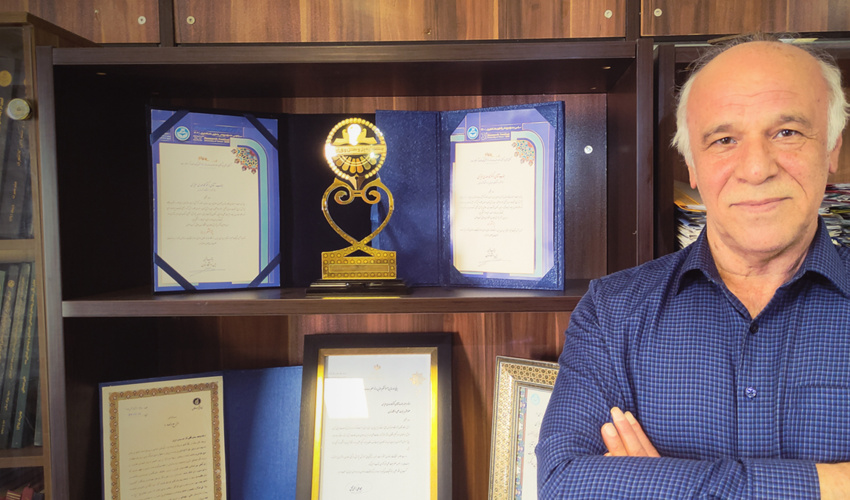
Dr. Mohammad Mehdi Azizi, Vice-Dean for Research at the College of Fine Arts, provided a comprehensive review of the historical path and structural transformations of the College of Fine Arts, University of Tehran. He emphasized that this institution, with a history of about 90 years, is not only a pioneer in Architecture, Urban Planning, and Arts education in Iran but also holds a distinct position in the country's higher education system with its unique research approach.
Establishment, Expansion, and Modeling
Regarding the College’s history, he stated:
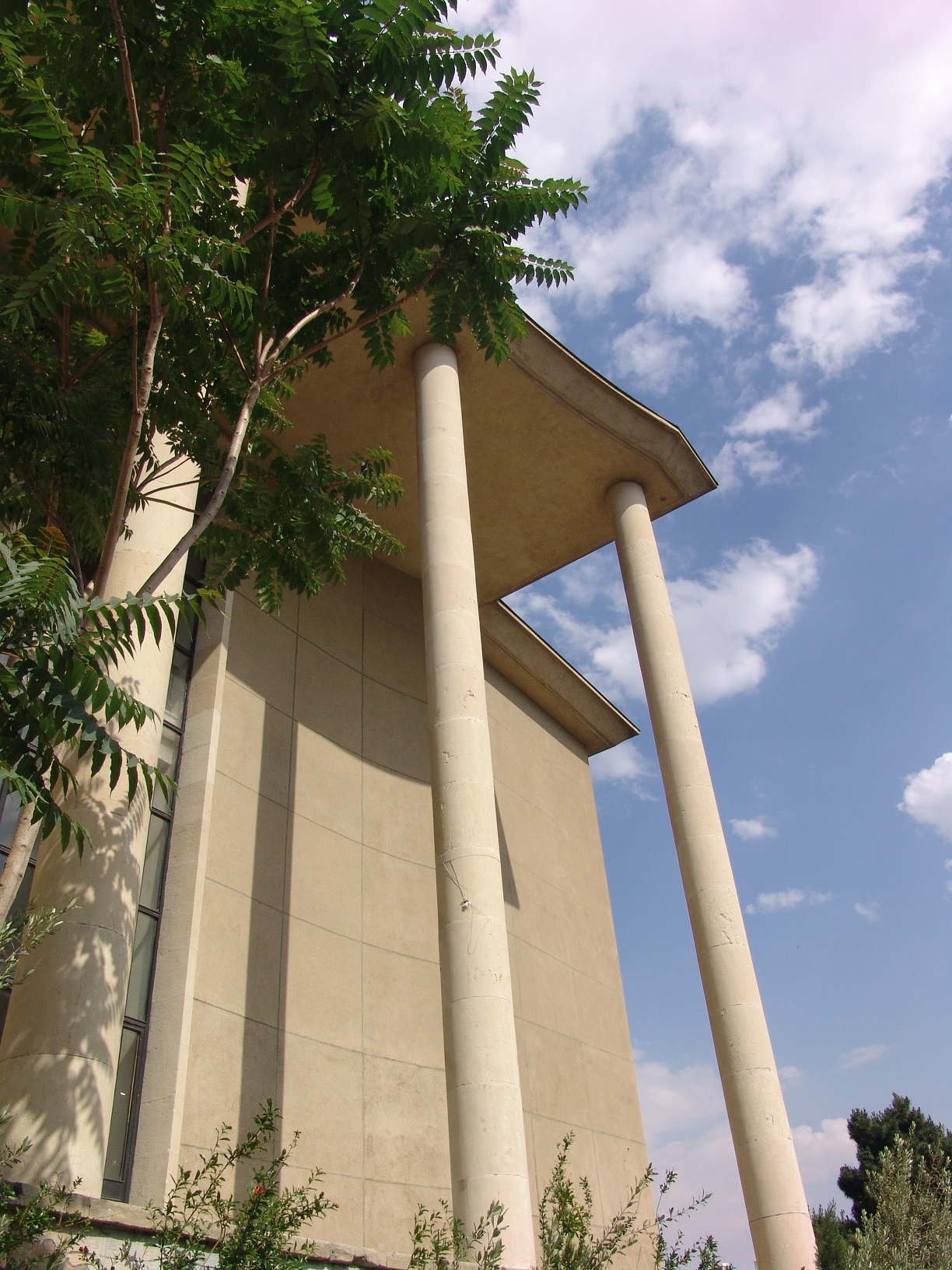
In 1938, the Faculty of Architecture was established as the first center for architectural education in Iran and began its activities under the presidency of Abolhassan Sadiqi. In 1939, the Frenchman Architect, André Godard, became the honorary president of the Faculty.
In 1940 , with the addition of the painting and sculpture departments and a name change to the School of Architecture, modeling after the École des Beaux-Arts of Paris began. This school was relocated to the new building of the Faculty of Engineering of the University of Tehran in 1942, and its charter was approved one year later. Finally, in 1949, it was officially recognized as the Faculty of Fine Arts, then renamed and restructured as the College of Fine Arts of the University of Tehran in 2005.
Research in Art Disciplines
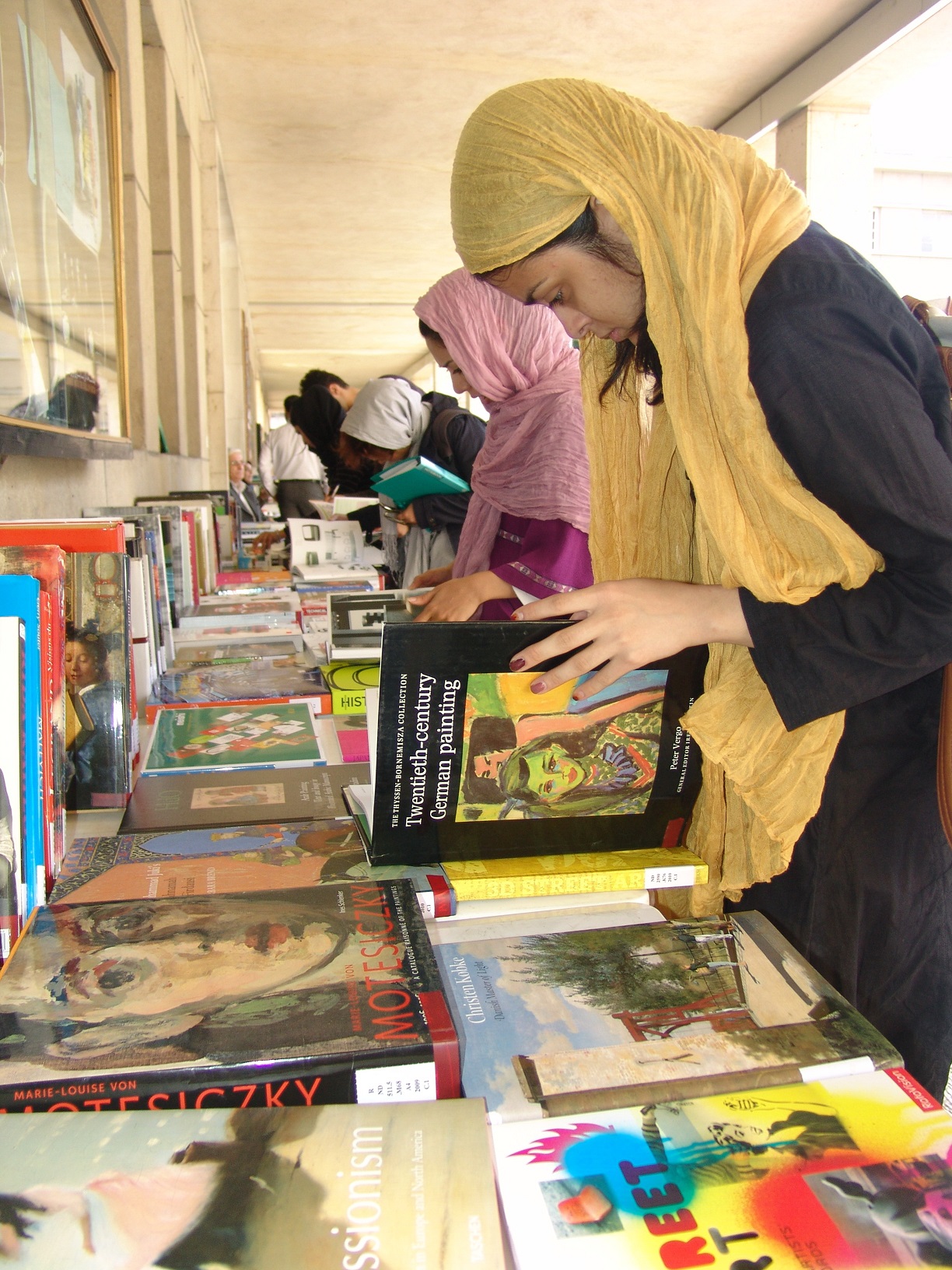
Dr. Azizi noted: “Research in artistic disciplines requires a different approach that incorporates creativity and innovation as fundamental elements." He stressed that artistic works themselves are considered a type of research output, which are distinct from traditional scientific publications.
Applied Collaborations and National Achievements
Dr. Azizi highlighted the distinguished performance of the College of Fine Arts in applied research projects, especially in disciplines whose nature necessitates it, such as architecture, urban planning, and industrial design.
He added: Active collaborations are underway with governmental bodies such as the Ministry of Roads and Urban Development, municipalities, and the Cultural Heritage Organization as well as private sector. Recent research projects and students theses have focused on issues such as reducing flood and earthquake damages, restoration of historical sites, optimizing energy consumption in architecture and urban planning, mitigating the effects of urban heat islands and air pollution, traffic, and urban transportation. Also, the establishment of laboratories such as the Urban Metaverse, Urban Transportation, Architectural Restoration and Energy, and Industrial Design indicates a commitment to new technologies.
Infrastructural Challenges and Advancement Criteria
Dr. Azizi pointed to infrastructural challenges and explained that workshops and performing platos, play the role of laboratories in the experimental sciences, and spaces such as architecture and urban planning workshops, ateliers, exhibition stages, and painting and sculpture studios are vital. It is worth mentioning that despite space limitations, recent investments by the University have helped improve the equipments.
Scientific Output
Dr. Azizi concluded by presenting statistics on scientific output, emphasizing a high level of research productivity:
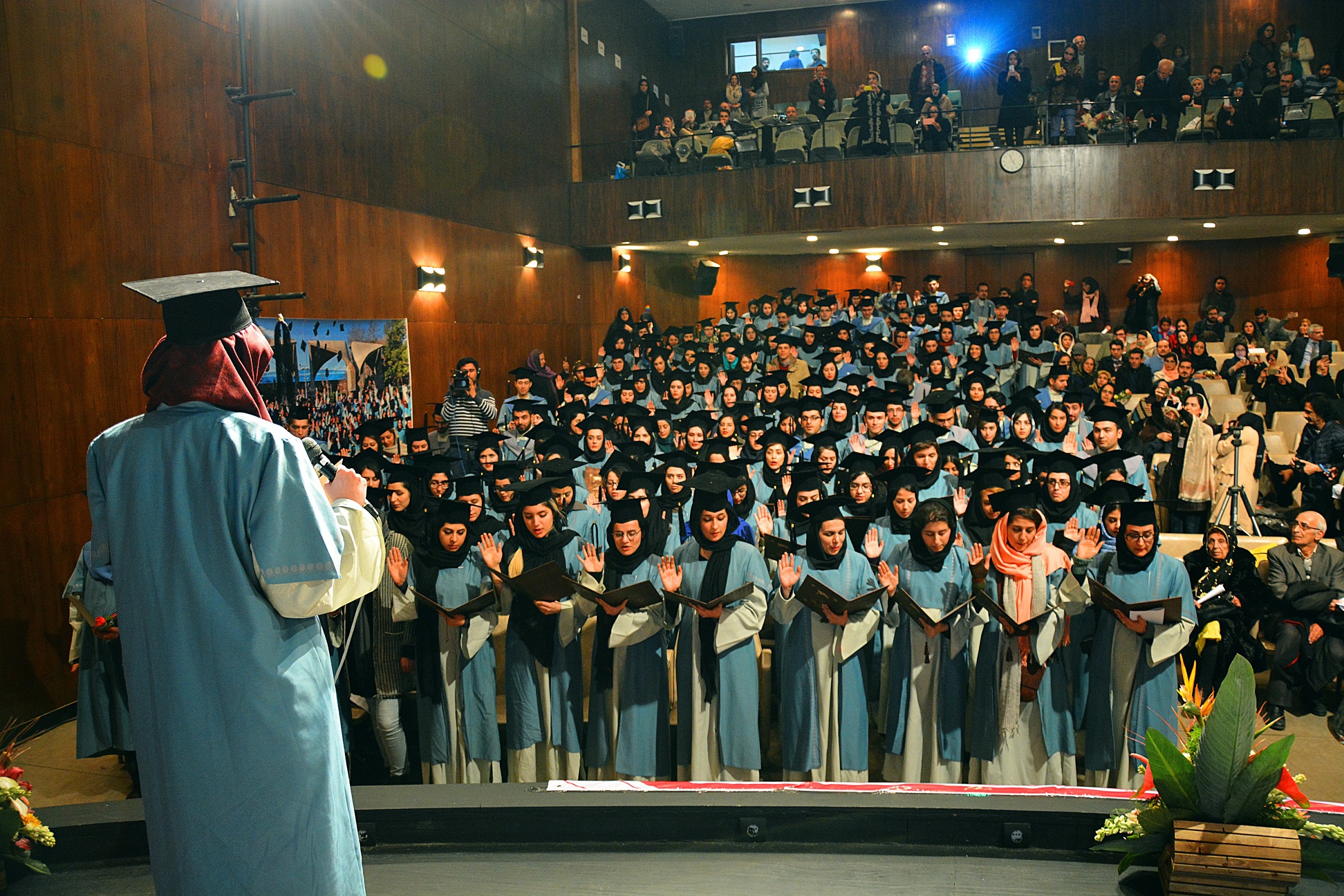
In the past year and a half, 279 articles have been published (with architecture and urban planning having the largest share), 100 book titles, and 122 articles presented at domestic and international conferences, indicating the active scientific production of the College.
Furthermore, the college members, as well as the students and alumni of the College of Fine Arts, have always achieved remarkable success in domestic and international research festivals and scientific competitions.
PARS MEDEQ company, sponsor of Vice-Presidency for Research and Technology News Desk
Your Comment :