
Bridging Architecture and Engineering for a Sustainable Future: Achievements of a Postdoctoral Researcher
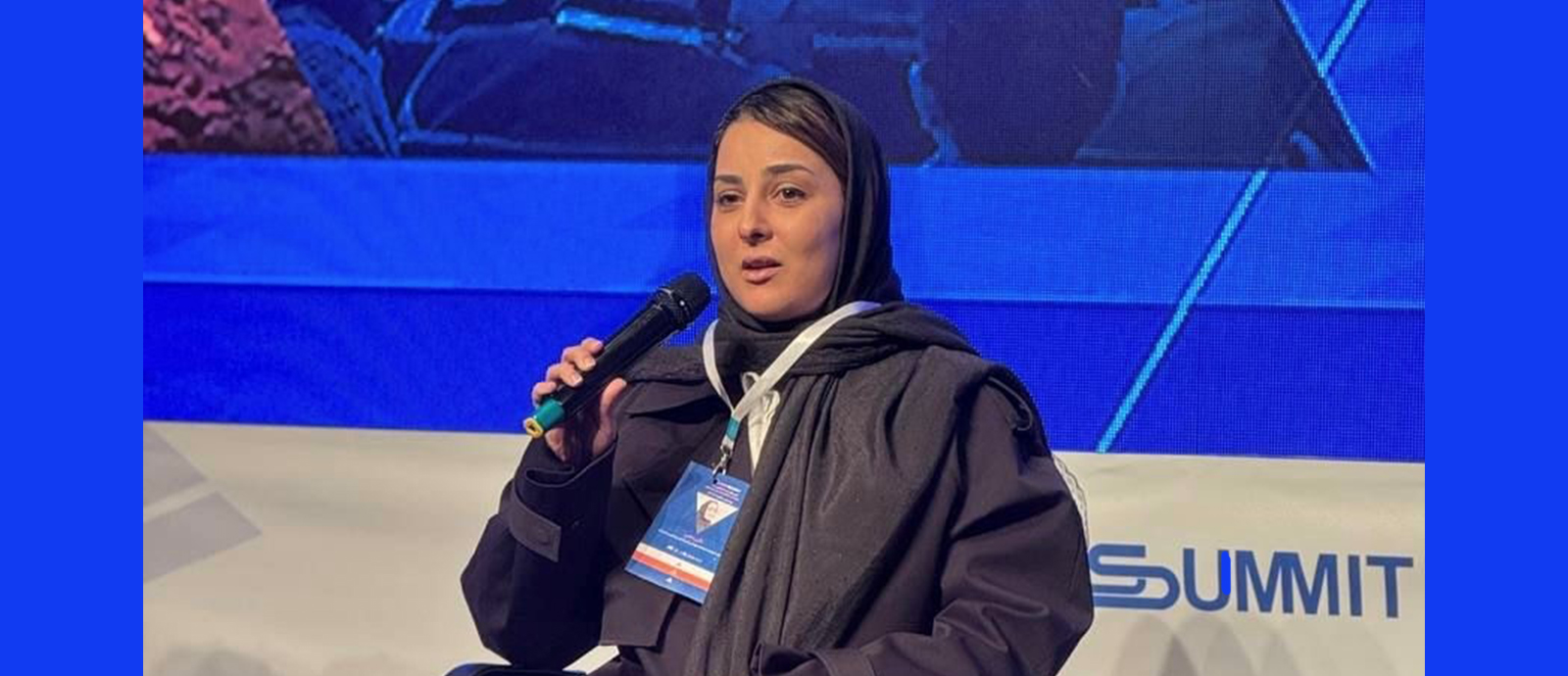
The Vice-Presidency for Research and Technology News Desk of the University of Tehran:
Interview with Dr. Negin Aalami, Postdoctoral Researcher at the University of Tehran:
My name is Negin Aalami, and I am currently collaborating with the University of Tehran as a postdoctoral researcher. I received my PhD in Energy and Architecture from the Faculty of Engineering at RMIT University, Australia. Following the completion of my doctoral studies and in light of the publication of scientific papers and the development of an innovative technological product I returned to Iran to continue my research activities within the framework of a postdoctoral fellowship at the University of Tehran.
This postdoctoral project was conducted under supervision of Dr. Mahdieh Abravesh, a faculty member of the School of Fine Arts at the University of Tehran, and was supported by the CONNECT program. During the course of this project so far, two Q1 journal articles and one peer-reviewed article in Farsi were developed. This interdisciplinary collaboration played a key role in bridging materials research with architectural and design-oriented application.
The Beginning of the Research Path and the Choice of a Specialized Field
My area of specialization at the master’s level was architecture and building energy. Given the strong interconnection of this field with technical and engineering disciplines, as well as overarching objectives such as reducing energy consumption, I entered the Faculty of Engineering for my doctoral studies. RMIT University provides doctoral candidates with extensive laboratory facilities in areas including chemistry, mechanics, and aerospace engineering, enabling my research to address a broader spectrum of the construction industry.
The thematic diversity of the field and access to advanced laboratory infrastructure were among the primary reasons for choosing this research trajectory.
Research Experience in Australia and Differences in the Research Environment
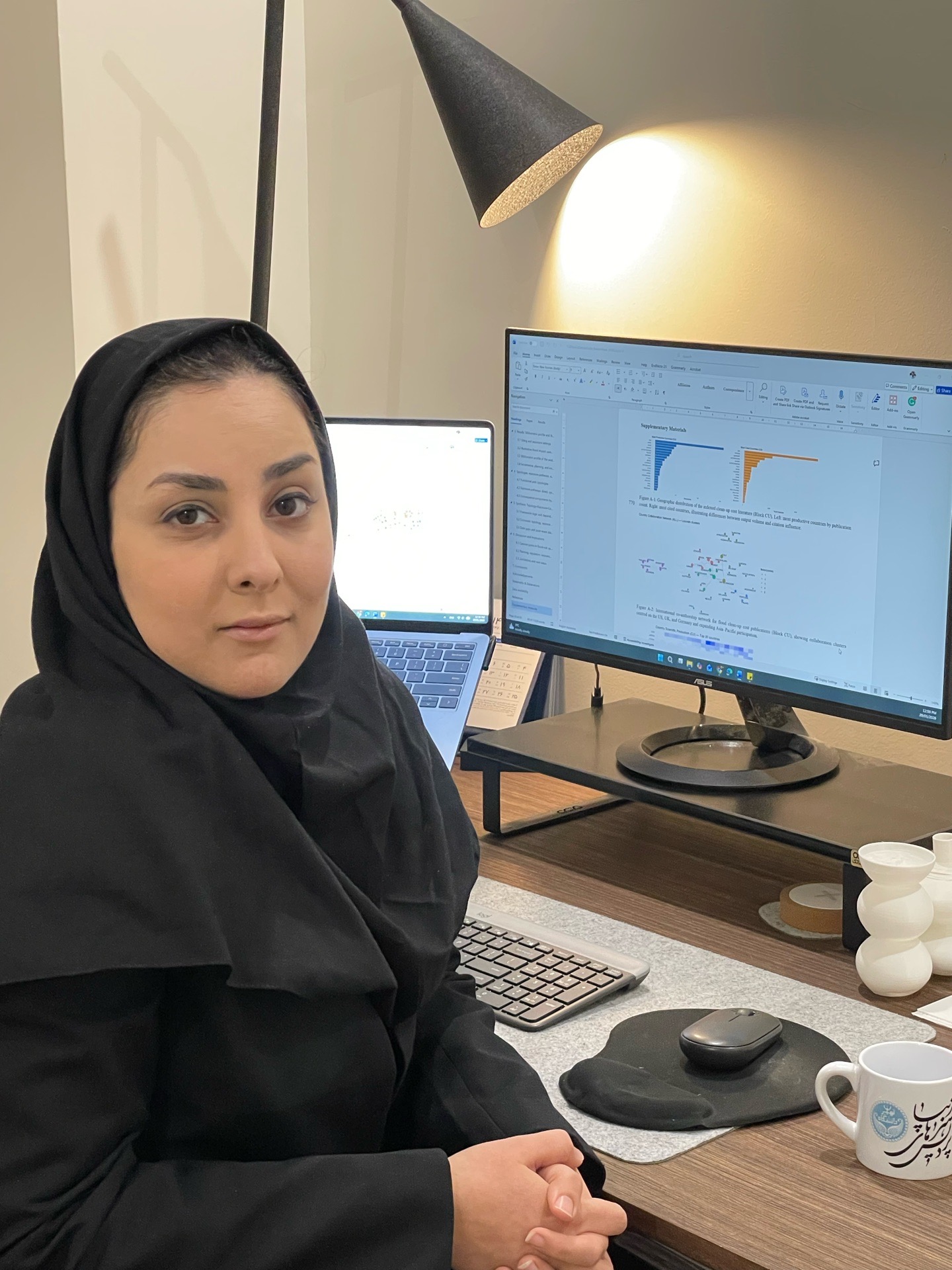 Having studied at both the University of Tehran and RMIT University in Australia, I am able to compare the similarities and differences between these academic environments.
In my view, students in Iran generally develop stronger theoretical foundations and a more robust analytical perspective. When they participate in international academic or industrial settings, they demonstrate a high capacity for problem solving and meaningful impact. However, one of the major challenges in Iran is the limited access to equipped laboratories and the absence of an integrated platform that enables students to efficiently utilize existing facilities. This limitation can delay the execution of experimental work and the advancement of applied research.
Motivation for Returning to Iran and the Postdoctoral Experience at the University of Tehran
Many young Iranians who pursue education and gain experience abroad are motivated to apply their knowledge and expertise toward the development of their home country. During my years in Australia, in addition to academic activities, I collaborated with architectural firms in Melbourne and continuously sought opportunities to transfer these experiences to Iran.
After receiving an invitation from the University of Tehran for a postdoctoral position, I declined other offers from Australian and European universities and returned to Iran after six years. This return and my engagement with the Iranian academic environment have been highly valuable and motivating experiences, opening new horizons for me in applied research and social impact.
Research Focus and Key Innovation: Converting Waste into Building Materials
Given my background in architecture and the significance of environmental issues, my research focuses on the use of advanced construction technologies and sustainable materials in buildings. The primary objective is to reduce energy consumption and improve the thermal performance of buildings.
One of the key innovations of this research path is the recycling of agricultural waste such as banana leaves and their conversion into biochar for use in construction materials, including asphalt and outdoor paving systems. The results indicate that this approach not only enhances the mechanical strength of materials but also contributes to reducing surface temperatures in the built environment. This strategy reframes agricultural waste from a disposal problem into a functional material at the building scale. To the best of my knowledge, this idea has been investigated for the first time at a global level, and I am currently producing and evaluating its laboratory-scale prototypes.

Stages of fabrication and production of a phase change material (PCM) using biochar derived from agricultural waste
Technical Challenges and the Path from Research to Product Development
The most significant challenge in this process was the limitation of laboratory infrastructure and the difficulty of sustained access to specialized equipment. For example, at one stage of the research, we required a furnace with a controlled nitrogen atmosphere, which was unavailable due to technical issues. Such obstacles occasionally caused delays in the research process.
To overcome these challenges, rather than relying solely on existing facilities, we designed an independent and scalable experimental framework that enabled a substantial portion of the tests to be conducted in house, thereby reducing dependency on lengthy administrative procedures.
The product idea originated from observing a real-world problem presented in a documentary about banana farmers. Following successful experimental outcomes, the academic research gradually evolved toward the development of a market ready product.
Key Lessons in Transitioning from Academic Research to Product Development
The most important lesson I learned from this journey was that the gap between academic research and market oriented products is often not scientific, but rather operational and infrastructural.
In product development, scientific completeness is not always the primary priority; instead, performance stability, scalability of production, and responsiveness to real market needs are of greater importance. This shift in perspective was essential in transforming a research idea into a practical and applicable product.
Recommendations for PhD Students Seeking Scientific and Practical Impact
My recommendation to PhD students is not to view research solely as a means of producing publications, but rather as an opportunity to address real-world problems and create social impact. The fundamental difference between academic systems does not necessarily lie in the quality of ideas, but in how effectively science is connected to societal needs.
If doctoral students can combine deep scientific expertise, critical thinking, and an interdisciplinary perspective with an understanding of practical challenges, their potential for impact increases significantly. Moreover, they should not wait for ideal conditions; often, the most innovative solutions emerge precisely within constraints.
PARS MEDEQ company and the Mossalanejad Cultural Foundation are the sponsors of Vice-Presidency for Research and Technology News Desk
Your Comment :