
From Lab to Hope
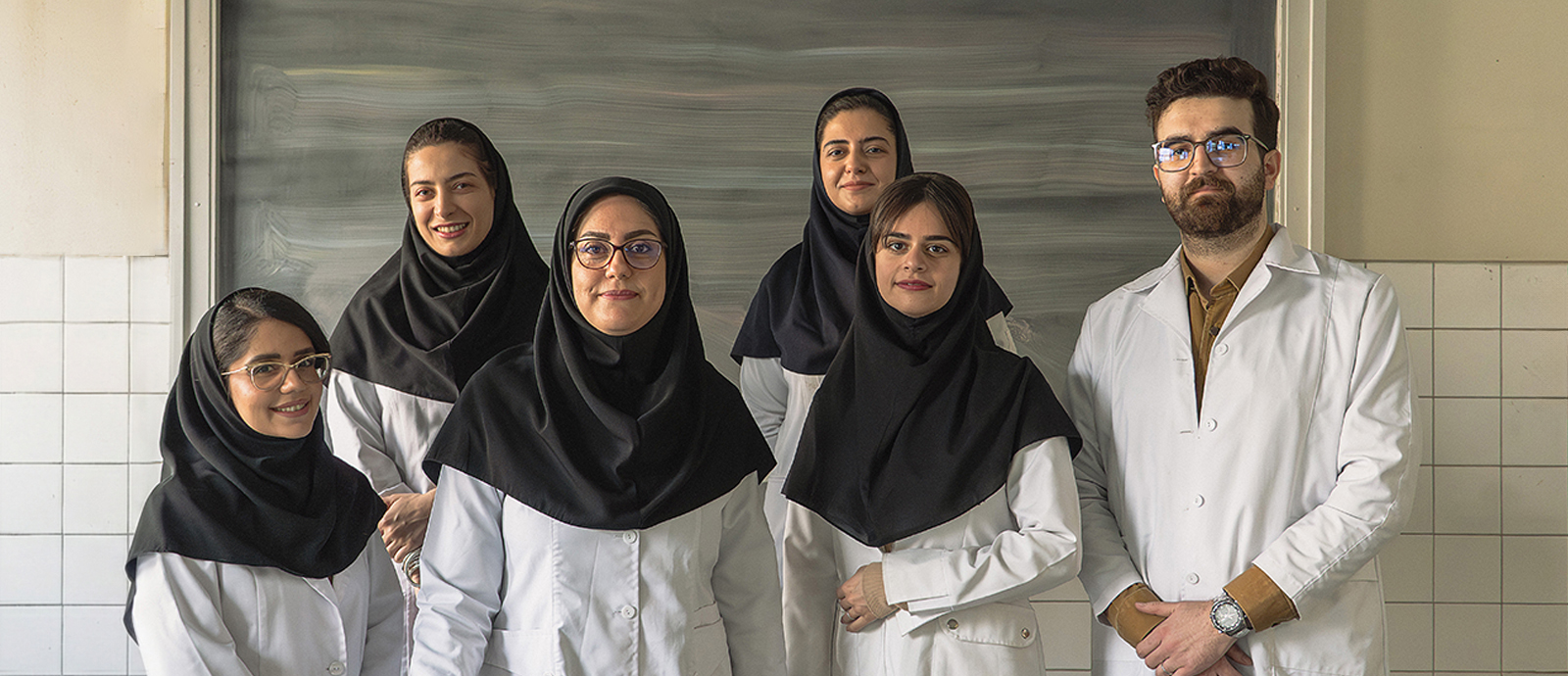
Zahra Fayzii from the Vice-Presidency for Research and Technology News Desk of the University of Tehran:
In the latest interview with the Research Affairs News Desk, Dr. Sara Shokrpoor, a faculty member at the University of Tehran, spoke about her scientific and research achievements. Referring to the main areas of her research activities, Dr. Shokrpoor explained that her research is mainly pursued in two important areas:
"the study and diagnosis of neoplastic lesions in various animal species and the provision of new therapeutic solutions to combat diabetes. According to her, while the incidence of these two diseases is very high in today's world and they are considered important causes of mortality in human society, the high cost of treatment and the long treatment process provide the basis and motivation for further investigation and study of these two diseases."
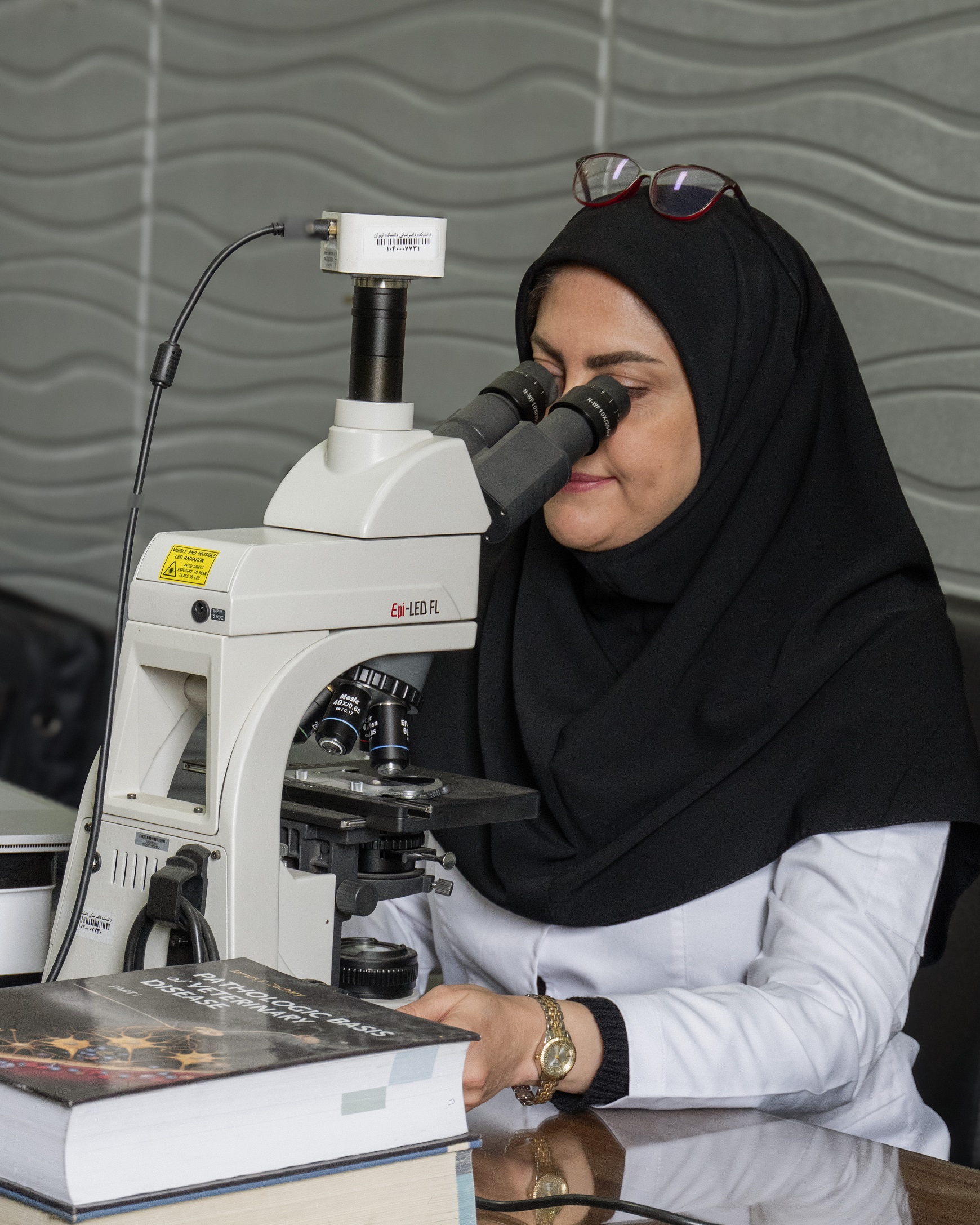 She said about her research in the field of cancer: "Study of various cases of tumor masses in domestic animals, wildlife and aquatic animals is being conducted in collaboration with experts from various fields at the Faculty of Veterinary Medicine. The aim of this research is to study macroscopically, microscopically, treat and follow up on the progress of treatment. So far, cases of rare tumors, especially in the field of aquatic animals, have been diagnosed and treated, and the results have been published in reputable scientific journals. This can help in the future to better understand the mechanism of these diseases and even design new treatment paths.
Referring to the change in scientific views towards tumor diseases in aquatic animals, Dr. Shokrpoor added: "Contrary to some old ideas that considered the probability of tumor occurrence in these species to be low, today's evidence shows that the level of involvement can be significant. Interestingly, the similarity of many of these tumors to human cases can pave the way for future therapeutic research.
Another part of the activities of this faculty member of the Faculty of Veterinary Medicine is dedicated to chronic diabetes, a field that has been followed continuously for about six to seven years and has continued with greater focus in recent years. She explained that these studies were initially conducted on animal models such as mice or rat, but in recent years, zebrafish have been used as a human model for diabetes. This fish, due to the microscopic similarity of the main tissues and genomic structure with humans, small size, low maintenance cost and easy induction of diabetes, is the main reason for their choice; a model that is used in much advanced research in the world today in this field.
In this project, the research team will test various compounds by creating conditions similar to diabetes in zebrafish to determine their effect on blood sugar levels, pancreatic tissue health and liver enzyme function. According to Dr. Shokrpoor, the initial results of these studies are very promising and show that some compounds can play an effective protective role in reducing tissue injury.
Another notable area of research is the focus on the potential of medicinal plants. Referring to the high diversity of these resources in Iran, Dr. Shokrpoor said: “In collaboration with the Department of Aquatic animal Health, Pharmacology, Physiology and Biochemistry, we are investigating the therapeutic properties of various plants. The results show that these compounds can have protective effects in reducing liver and kidney injury, even when exposed to some chemical drugs. However, he warned against excessive consumption of medicinal plants, emphasizing that the naturalness of a substance does not mean that it is safe, and use outside the recommended doses can have unwanted consequences.
The achievements of these projects are now being developed in the form of a technology core at the University of Tehran; a project that, according to Dr. Shokrpoor, is the result of years of continuous work, testing of different compounds, and interdisciplinary collaboration. The goal of this project is to produce a functional product for metabolic disease and offer it on a large scale; a product that, in addition to being effective, has a low production cost so that patients can access it more easily.
Shee expressed hope that with the continued support of scientific and research institutions and the expansion of specialized collaborations, this project can be a successful example of transforming academic knowledge into technology that can be used in society; a path that begins with laboratory research and can lead to improving the quality of life of patients.
Concluding the interview, Dr. Shokrpoor offered guidance to young researchers, urging them to avoid a "one-dimensional" approach to academia. She stressed:
"the importance of maintaining a healthy equilibrium between rigorous scientific pursuit, personal well-being, and private life."
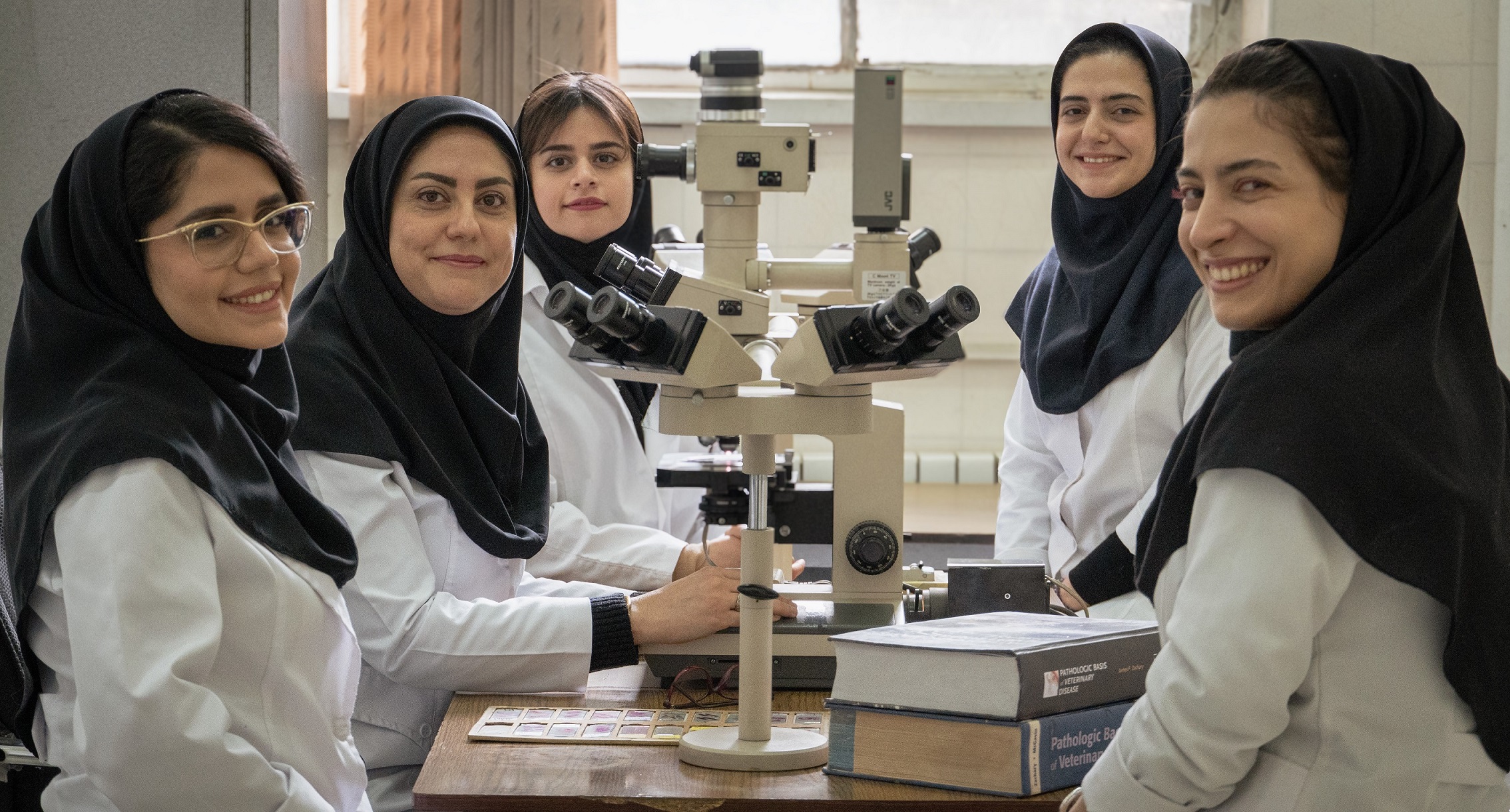
Microscopic study of the tumor mass alongside students with the professor-student microscope
PARS MEDEQ company and the Mossalanejad Cultural Foundation are the sponsors of Vice-Presidency for Research and Technology News Desk
Your Comment :