
Interview with Dr. Ahmad Mahmoudi

Zahra Fayzii from the Vice-Presidency for Research and Technology News Desk of the University of Tehran:
Dr. Ahmad Mahmoudi, a faculty member of the Sport Management Department at the Faculty of Sport Sciences and Wellness, University of Tehran, and the recipient of the “Young Researcher of the Year” award at the University of Tehran Research Festival, discussed in a scientific interview the gap between academic research and real societal needs, governance challenges in sports, the status of public sports, and the untapped potential of sports tourism in Iran.
The Need for Trust in Research for Solving Sports Issues
Dr. Mahmoudi highlighted the persistent gap between universities and executive institutions, noting that one of the main reasons is the lack of belief in research’s ability to solve social problems. He explained that in many sectors, including sports, universities are often consulted only when issues reach a crisis stage. Early engagement with academic expertise could prevent numerous problems.
At the same time, he emphasized that universities themselves must accept responsibility, as some research projects are not needs-based and do not address practical societal challenges.
Knowledge Imbalance in Sports Management
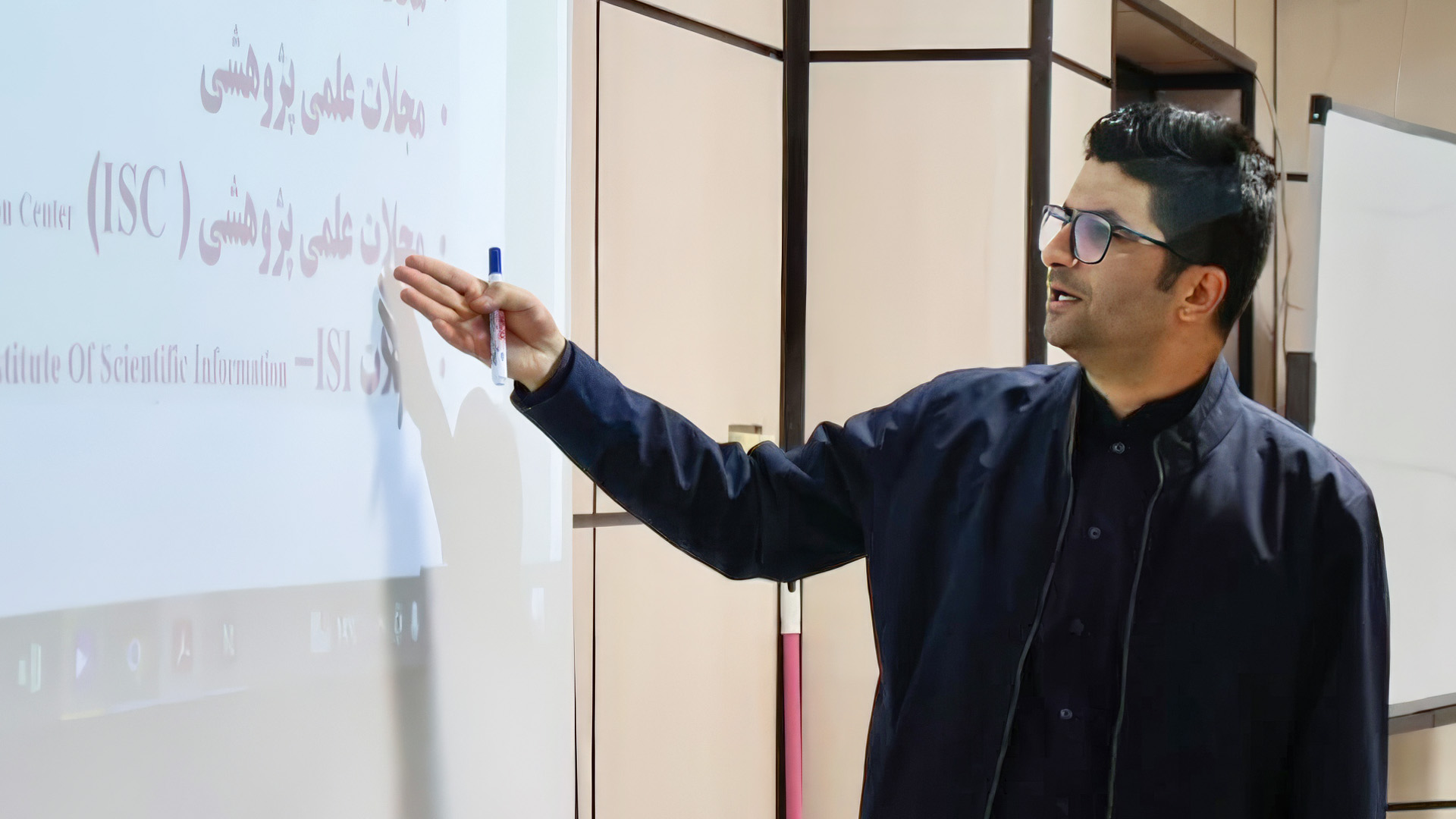 Mahmoudi identified a “knowledge imbalance” among sports administrators as a key challenge, noting that some federation managers are unfamiliar with fundamental concepts like sports marketing, sustainable revenue generation, and human resource management. This lack of expertise, especially during economic fluctuations, complicates planning and the management of athletes’ training camps.
He stressed that employing specialized managers and consulting academics in policymaking could significantly improve the effectiveness of the country’s sports system.
Credentialism in Higher Education
Regarding higher education, Dr. Mahmoudi observed that credentialism remains a major issue. Economic and social pressures often push students to focus primarily on obtaining degrees rather than gaining practical knowledge. He argued that universities should adopt a mission-oriented approach, setting clear, measurable objectives for academic departments.
He also pointed out that not all graduates should aim for faculty positions; other sectors in society also require skilled professionals.
Public Sports: Essential for National Health
Mahmoudi emphasized the development of public sports as a national priority, warning that less than 10% of the population engages in regular physical activity. This alarming statistic poses serious public health risks.
He highlighted the high costs of treating diseases such as diabetes and noted that strengthening public sports aligns with the principle of “prevention is better than cure,” potentially reducing the financial burden on the healthcare system.
Sports Tourism: A Sustainable Revenue Source
Dr. Mahmoudi described sports tourism as a “green income source” with high potential in Iran due to its diverse climates and natural resources. Developing this sector could create jobs and revitalize sparsely populated regions, reducing urban migration.
He stressed the importance of collaboration between the Ministry of Sports and the Ministry of Cultural Heritage, Tourism, and Handicrafts, linking researchers and policymakers to fully exploit this potential.
Educational Sports as a Foundation for Competitive Success
The professor emphasized that investment in school-level sports education is essential for the sustainability of both public and elite sports programs. Without developing talent at the grassroots level, national sports achievements cannot be sustained.
Advice to Students
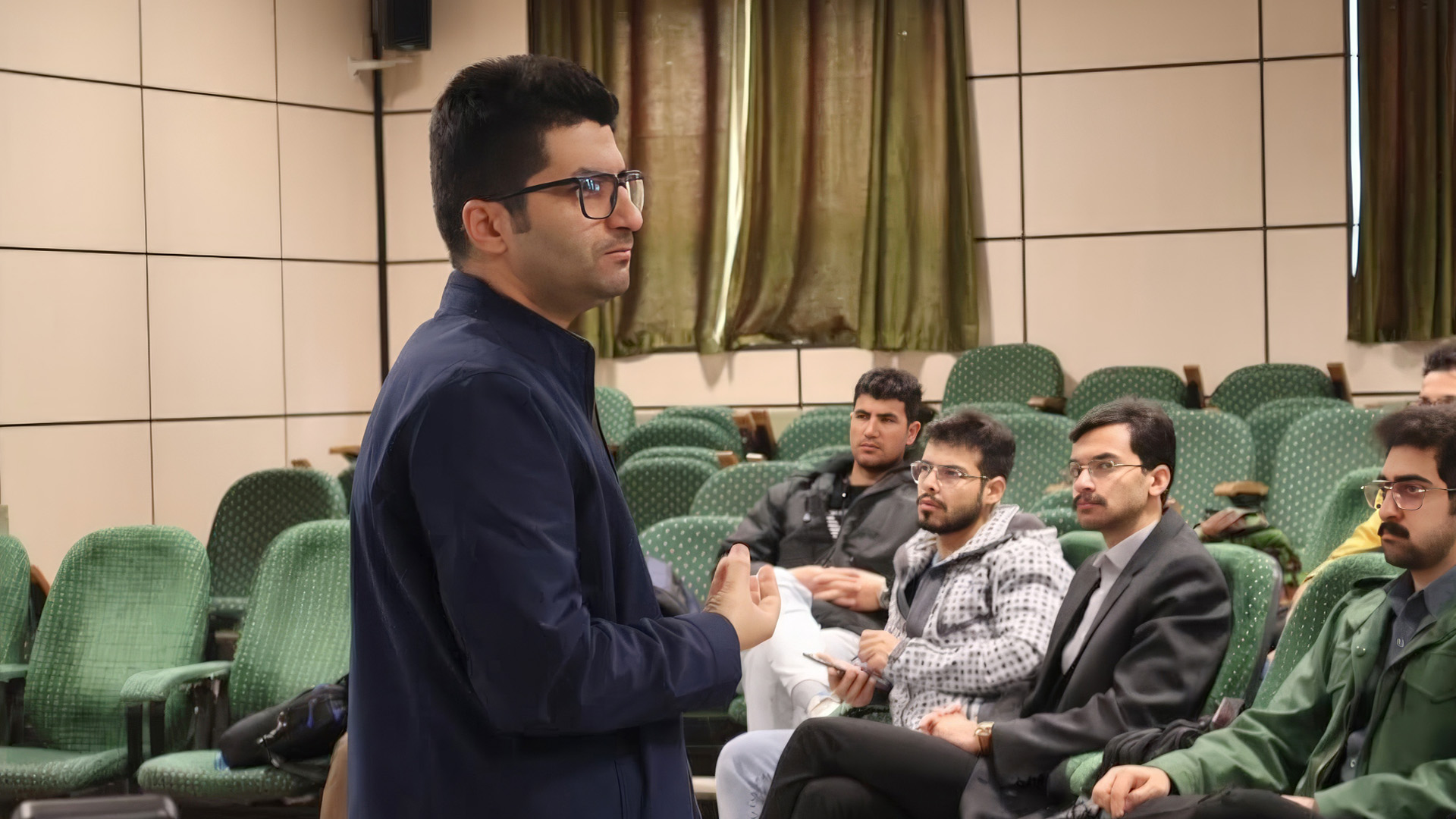 Dr. Mahmoudi advised students to focus on personal development and skill-building while maintaining perseverance despite challenges. Continuous learning—from languages to AI and technical skills—plays a decisive role in professional success.
The Need for Research Governance
Finally, Mahmoudi called for an organized system of research governance in sport sciences, warning that fragmented decision-making and non-transparent allocation of research projects can waste resources. He highlighted the importance of financial and structural support for young researchers to maintain motivation and ensure high-quality research outputs.
He expressed hope that stronger collaboration between universities and executive bodies could address sports challenges in Iran, making research an effective tool for policy-making and national development.
PARS MEDEQ company and the Mossalanejad Cultural Foundation are the sponsors of Vice-Presidency for Research and Technology News Desk
Your Comment :