
Prominent University of Tehran Researcher: Narrating Unheard Voices in Health and Society
Zahra Fayzii from the Vice-Presidency for Research and Technology News Desk of the University of Tehran:
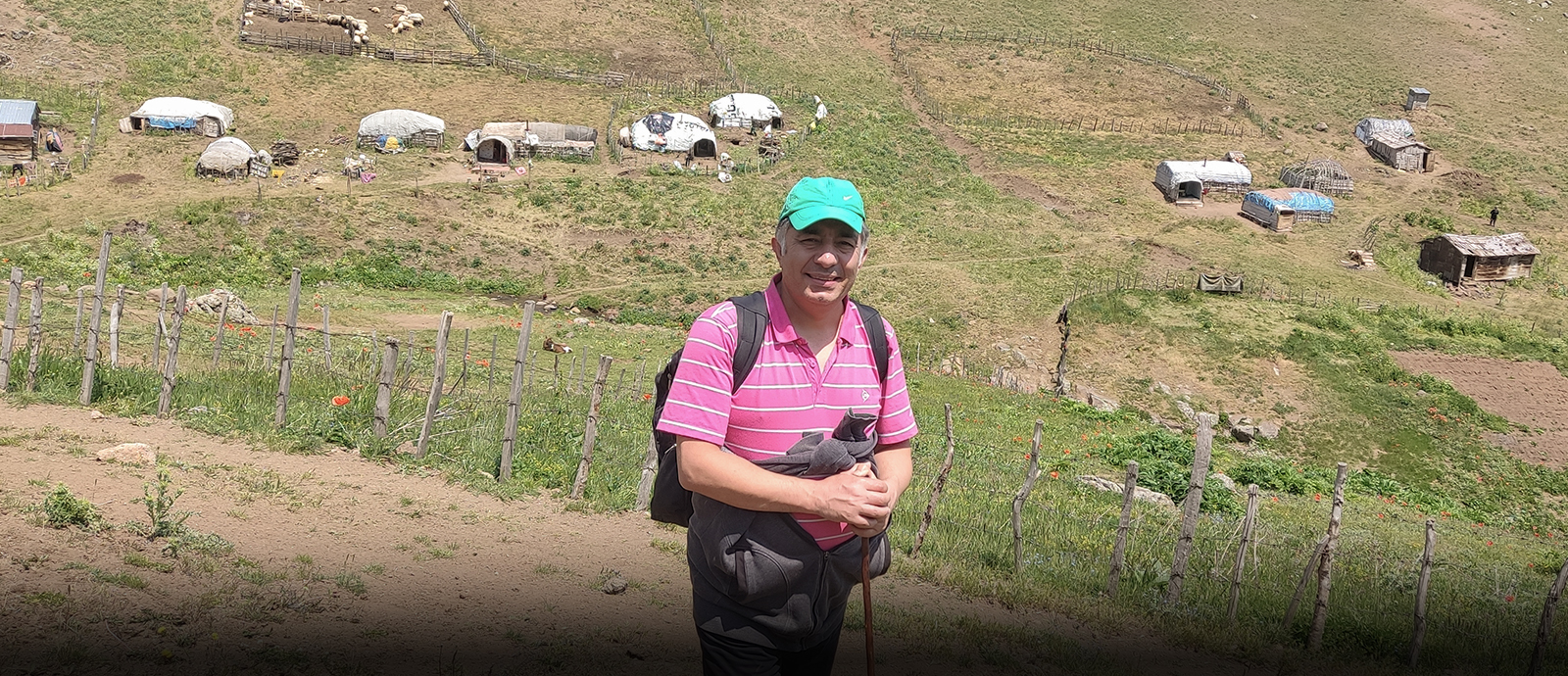
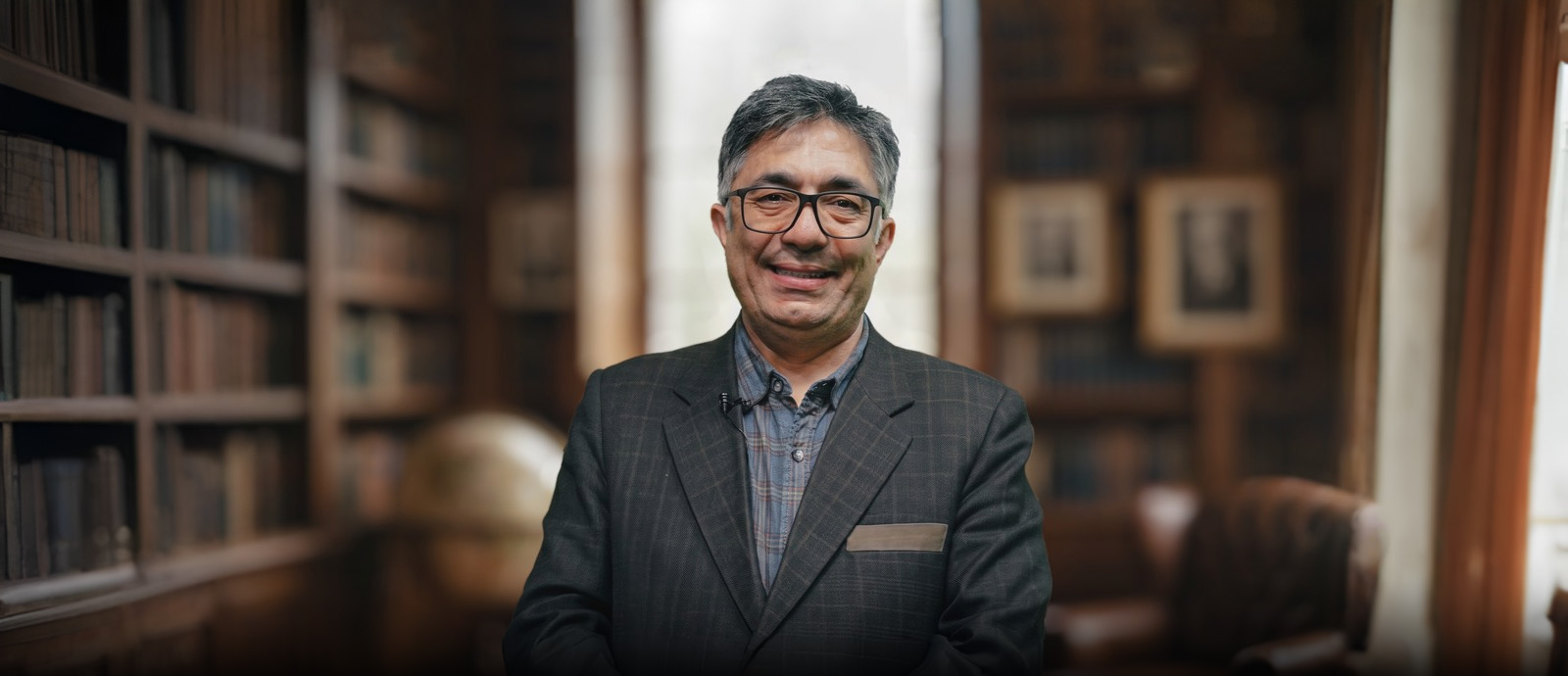
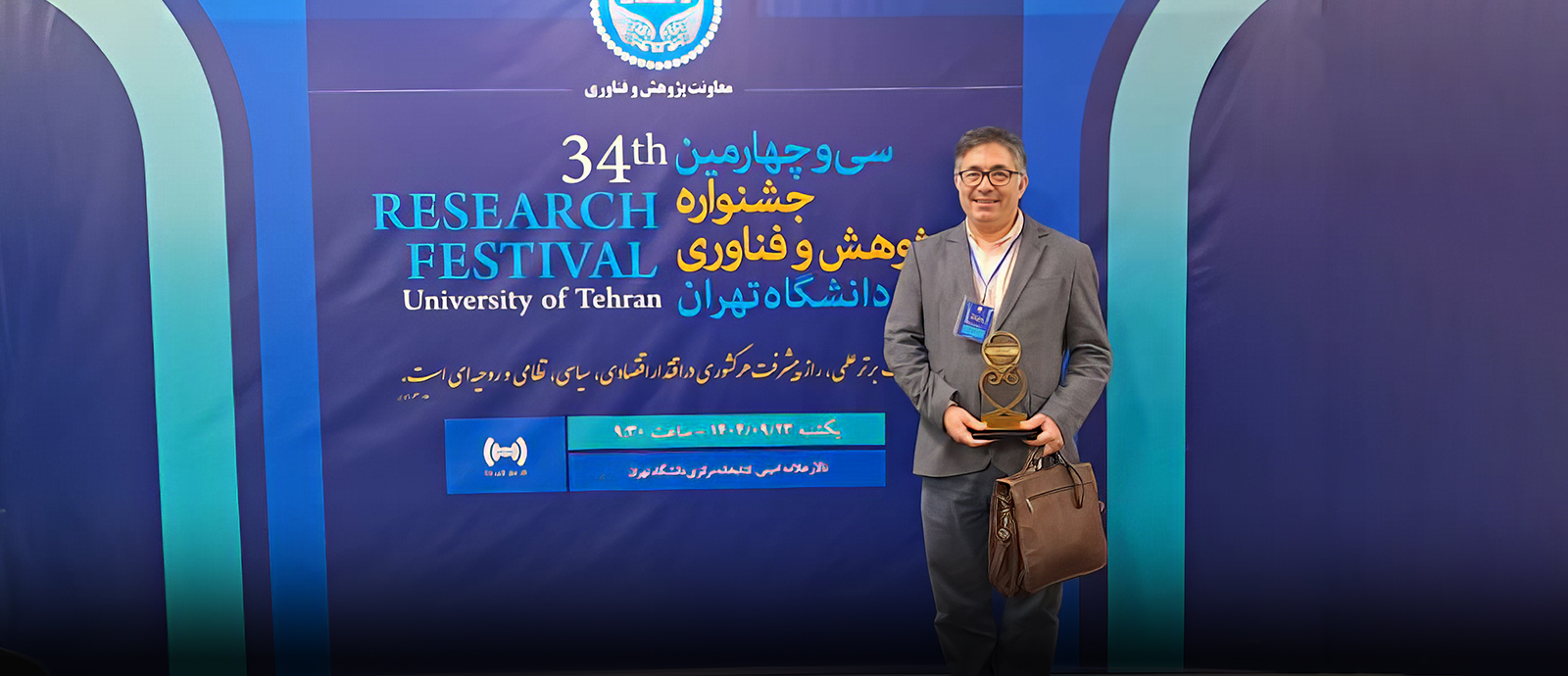
Dr. AbouAli Vedadhir, Professor of Anthropology and Health Studies at the Faculty of Social Science, University of Tehran, has been recognized as a distinguished researcher at the University of Tehran’s 2025 Research Festival. His work, particularly over the past two decades, has focused on integrating social science especially anthropology into the field of health and nutrition, with a strong emphasis on women’s health and sexual and reproductive health and right.
Dr. Vedadhir’s key contribution lies in introducing qualitative and ethnographic research methods into medical and healthcare studies. By moving beyond purely biomedical perspectives, his work has expanded the understanding of care, treatment, and patient experience. Through collaborations with students and researchers in nursing, midwifery, and reproductive health and right and community nutrition, he has helped shape a new generation of scholars who approach healthcare through cultural, social, ethical, and human-centered lenses. These efforts aim to promote more ethical, culturally competent, and patient-centered healthcare systems.
A central theme in his research is amplifying “less-heard voices,” or “being a voice for the voiceless” particularly those of women and other vulnerable or marginalized groups. Drawing on anthropological and ethnographic strategies, he asserts the importance of listening to narratives and researching lived experiences that are often overlooked in mainstream public policy and research. His fieldwork spans diverse settings, including hospitals, clinical environments, and communities, where he has explored subcultures within healthcare systems such as intensive care units, oncology wards, and maternal care settings highlighting the complex social dynamics that shape care delivery.
Dr. Vedadhir has also conducted extensive research on critical problems such as health inequalities and injustices, social oppressions in health settings, professional hierarchies within medical institutions, and the ethical dimensions of care. His studies reveal that relationships between healthcare providers such as doctors (physicians), nurses, and midwives and patients are not always equitable, often reflecting broader structural inequalities. Addressing these imbalances, he argues, is essential for improving both patient outcomes and the overall quality of care.
In the field of women’s health and right, he points to critical challenges such as stigma surrounding sensitive health problems including sexually transmitted infections or disease (STIs or STDs), which often leads to underreporting, lack of data, and insufficient policy attention. He also highlights concerns related to food security and its intersection with broader environmental and social factors and other forms of insecurity including the natural resources insecurity, arguing that these problems require more serious and transparent engagement.
Another notable area of his works involves social constructionist research with a focus on the social construction of reproduction and parenthood including studies on women’s lived experiences during childbirth and maternal care. These projects aim to bring forward narratives that are often silenced, contributing to a more nuanced understanding of gender, care, and identity in contemporary Iranian society.
Dr. Vedadhir emphasizes that Iran’s rich cultural diversity including its ethnolinguistic and geographical variety should be considered as a major capital. He advocates for integrating sociocultural knowledge and perspectives into fields such as medicine, engineering, and policymaking. In his view, professionals, especially in healthcare, must not only be technically and clinically capable but also culturally competent—capable of understanding the values, beliefs, and lived realities of the patients and communities they serve.
His recognition as an Eminent Researcher of the University of Tehran reflects a broader vision: one that calls for the integration of cultural, ethical, and social understanding into more science-intensive and professional practices and policies. Through his work, Professor Vedadhir continues to push for a more inclusive, participatory, humanistic, and socially responsive approach to research and public policy in transitional society of Iran.
PARS MEDEQ company and the Mossalanejad Cultural Foundation are the sponsors of Vice-Presidency for Research and Technology News Desk
Your Comment :