
Beyond Restoration: Bridging Academic Research with the Preservation of Historical Memory and Urban Identity
Zahra Fayzii from the Vice-Presidency for Research and Technology News Desk of the University of Tehran:
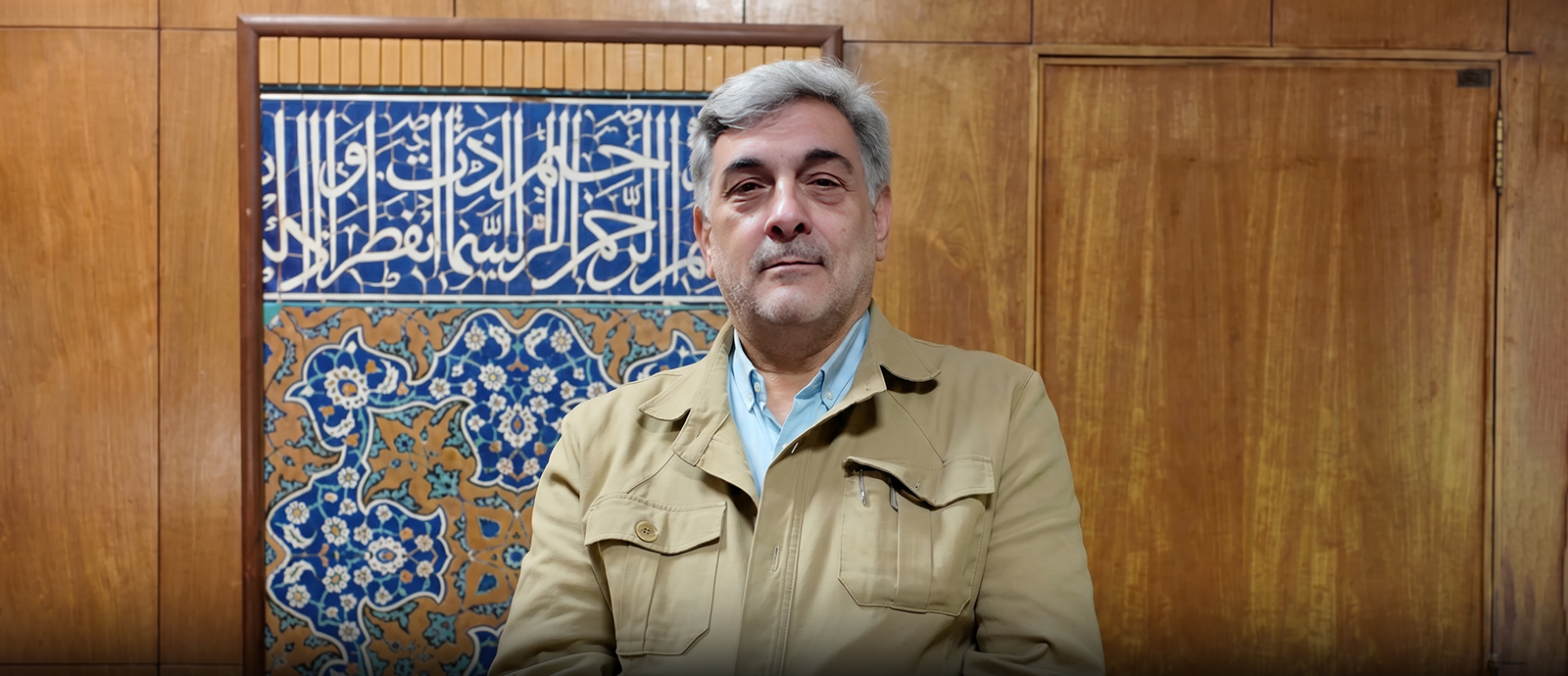
Dr. Pirouz Hanachi, a faculty member at the Faculty of Fine Arts of the University of Tehran, is a well‑known figure in the fields of architecture and urban management. In his academic and executive record, particular attention has been given to strengthening a “problem‑oriented” approach in universities and linking academic research to the real needs of society.
Highlighting the role of fourth- and fifth-generation universities, Hanachi believes that higher education institutions should move beyond knowledge production alone and actively engage in identifying real-world challenges and offering practical solutions. Within this framework, he and his colleagues at the Institute for Cultural, Artistic, and Architectural Research have worked to identify key issues in the field of cultural heritage and provide actionable recommendations to relevant stakeholders and institutions.
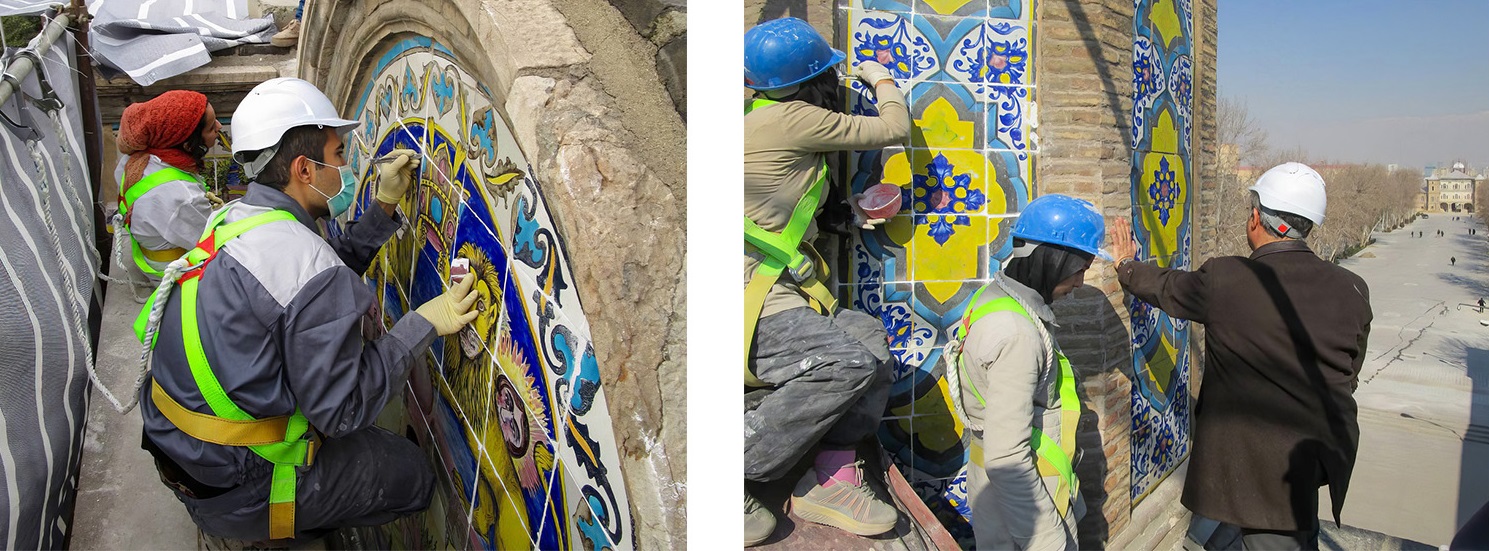
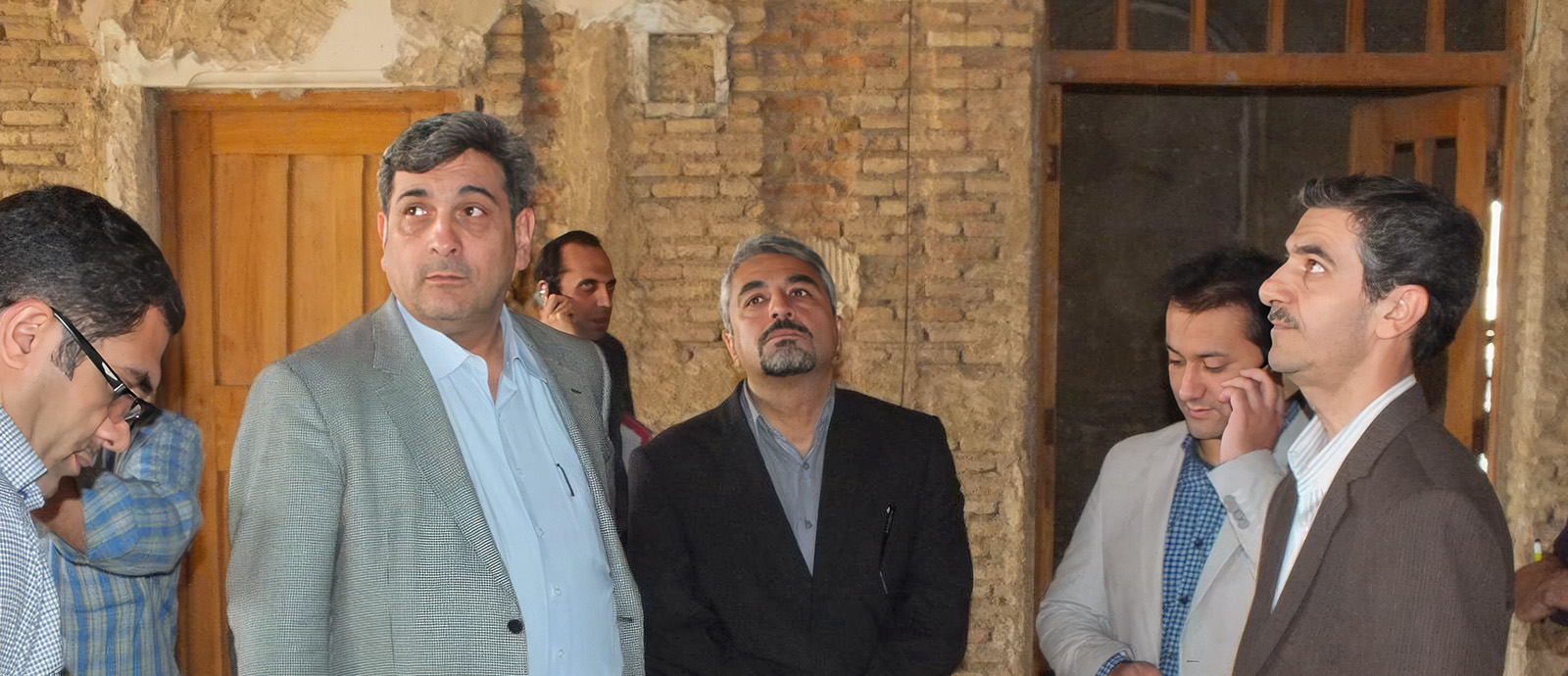
A major focus of his work has been Iran’s vast cultural heritage potential. As he notes, Iran ranks among the leading countries globally in terms of natural and cultural heritage assets. His involvement in significant restoration projects—such as the National Garden Gate in Tehran, the Etesami Library in Negarestan Garden, and the Zahir al-Islam House—reflects efforts not only to preserve architectural authenticity but also to reintegrate these historic sites into contemporary urban life and public use.
In the research domain, Hanachi has also paid close attention to modern urban heritage. His study of Valiasr Street in Tehran—one of the longest and most iconic urban avenues, lined with plane trees and rich in historical and social layers—stands out as a key contribution. This research has supported the street’s national registration and laid the groundwork for its potential recognition at the international level as a form of modern heritage.
Another notable aspect of his work is the exploration of heritage within functional spaces such as hospitals. Studies conducted on Imam Khomeini, Sina, and Baharloo hospitals demonstrate that these institutions extend beyond their physical structures, encompassing layers of intangible heritage, human experience, collective memory, and contributions to the development of medical knowledge in Iran. According to Hanachi, recognizing and preserving these dimensions alongside physical conservation can lead to a more comprehensive understanding of contemporary heritage.
He also underscores the importance of preserving “historical memory” in response to contemporary events. In his view, post-crisis or post-conflict reconstruction should not erase all traces of damage. Instead, certain elements can be intentionally preserved as memorials, allowing future generations to engage with and understand past experiences. This perspective aligns with international examples and contributes to strengthening collective awareness and historical identity.
In addition, Hanachi emphasizes the importance of interdisciplinary approaches in cultural heritage studies. He argues that meaningful preservation and policy-making require collaboration across architecture, urban planning, history, sociology, and management. In this context, universities can serve as a bridge between specialized knowledge and practical implementation, playing a vital role in shaping sustainable cultural policies.
Overall, his body of work suggests that cultural heritage preservation goes beyond safeguarding physical structures. It involves a broader, more integrated understanding of the relationship between past, present, and future.
PARS MEDEQ company and the Mossalanejad Cultural Foundation are the sponsors of Vice-Presidency for Research and Technology News Desk
Watch the interview clip with English subtitles below
Your Comment :