
The Architectural Design Process as Presented in the University Book of the Year
The Vice-Presidency for Research and Technology News Desk of the University of Tehran:
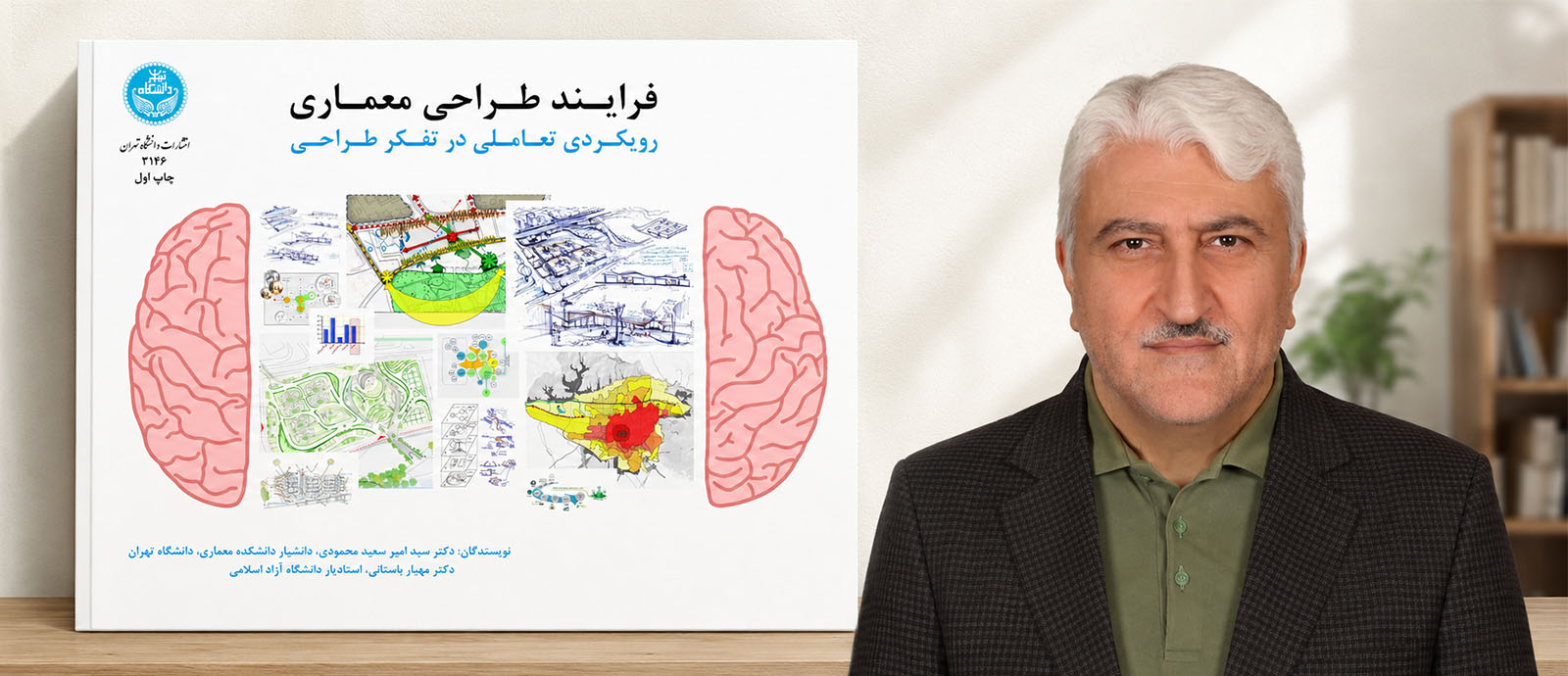
The book “The Architectural Design Process: An Interactive Approach to Design Thinking”, authored by Dr. Seyed Amir Saeid Mahmoodi, Associate Professor at the School of Architecture, College of Fine Arts, University of Tehran, and Dr. Mahyar Bastani, faculty member in the Department of Architecture and Urban Planning at the Islamic Azad University, Gorgan Branch, was selected as the Outstanding Book in the Art and Architecture category at the 2025 (1404) University Book of the Year Festival.
In an interview, Dr. Mahmoudi discussed the motivation behind writing the book, the interactive approach to design thinking, the challenges architecture students face during the design process, and the distinctive features of the work.
Motivation for Writing the Book and Addressing Educational Gaps
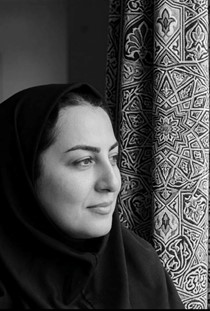 After years of teaching both practical and theoretical courses at the School of Architecture of the University of Tehran, I felt it was my duty to give back to my students and the university by preparing a book on the architectural design process. Drawing on my educational and research experiences, I set out to write this book. Of course, this endeavor would not have been possible without the collaboration and efforts of Dr. Mahyar Bastani.
He added: “This work is an effort to answer questions and address the concerns of students and young instructors in the field of architectural design.”
The Interactive Approach to Design Thinking and How It Differs from Conventional Views
Explaining the concept of the “interactive approach to design thinking,” Dr. Mahmoudi stated:
“The architectural design process is something that should be discovered and utilized through the simultaneous application of two latent abilities in students as they move from question to answer: the realm of logic (and design problem-solving) and the realm of creativity (and idea generation).”
He continued:
“This interactive process is introduced through the use of two modes of thinking in design, drawing upon the capabilities associated with both hemispheres of the brain. One of the advantages of this approach is its emphasis on harnessing students’ full potential for both problem-solving and ideation.”
Regarding how this approach differs from conventional perspectives on the architectural design process, he said:
“In most common approaches, students and instructors rely primarily on one mode of thinking—either beginning with problem-solving or generating creative ideas independently of one another.”
He added:
“In this book, while reviewing the literature and theoretical foundations of the design process, I have sought to demonstrate, through examples of design exercises at both undergraduate and graduate levels, how both hemispheres of the brain can be engaged and utilized during the design process.”
Students’ Main Challenge and the Book’s Role in Managing the Design Process
Discussing the most significant challenge architecture students face in understanding and navigating the design process, Dr. Mahmoudi explained:
“In my research on the challenges of the design process, one of the most important questions students faced was that they did not know how to begin the design process or how to manage the stages they needed to go through.”
On how the book helps address this challenge, he said:
“The book reviews developments in architectural education and their relationship to theoretical perspectives on problem-solving, while also introducing different types of thinking and design methodologies.”
Dr. Mahmoodi further noted:
“Students learn that they must stimulate and develop their various artistic and creative abilities so that they can draw upon them throughout the design process.”
He also emphasized:
“The book tells readers that students and their abilities in problem-solving and idea generation may differ, but that does not mean some people are creative while others are not. Creativity is something that can be cultivated and developed.”
Why the Book Was Selected and Advice for Young Designers
Regarding the selection of the book as the outstanding work in the Art and Architecture category at the University Book of the Year Festival, Dr. Seyed Amir Saeid Mahmoodi stated:
“Given the importance of design courses in architectural education and the emergence of new approaches to utilizing the human brain’s capacities in problem-solving and idea generation—with support from cognitive psychology—this book provides valuable information for addressing contemporary issues and challenges in design.”
In closing, he offered the following advice to students and young designers:
“Since one of the characteristics of architects is a strong sense of self-confidence, I recommend that dear students, with trust in God and increased perseverance, overcome the challenges before them. It is not the case that I would necessarily achieve better results if I were studying at a particular university or in a particular country. Everything ultimately lies within the student; they must identify and discover their own talents and capabilities.”
PARS MEDEQ company and the Mossalanejad Cultural Foundation are the sponsors of Vice-Presidency for Research and Technology News Desk
Your Comment :