
Smart Water Management System Based on Digital Twin Technology

Zahra Fayzii from the Vice-Presidency for Research and Technology News Desk of the University of Tehran:
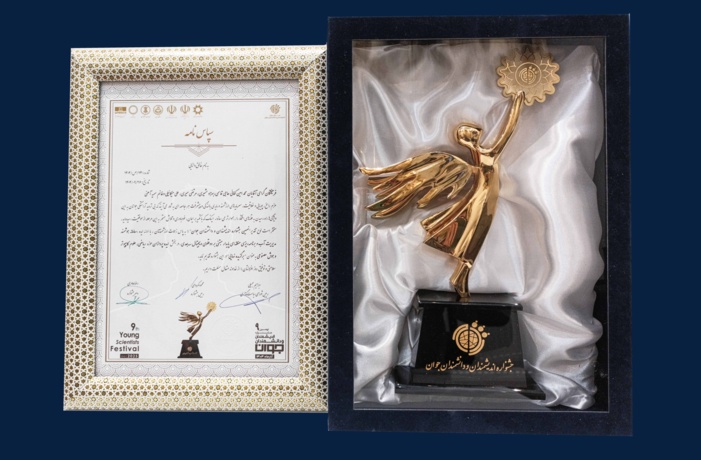
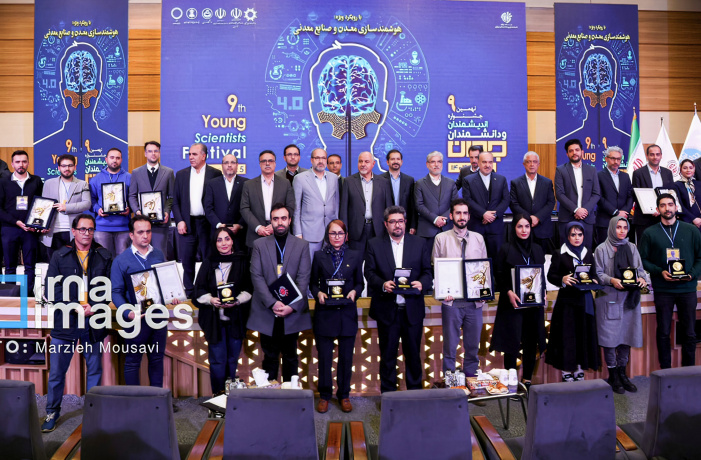
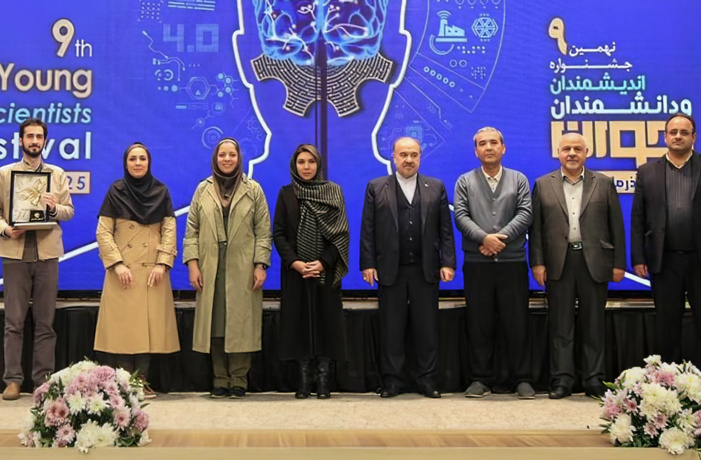
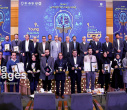
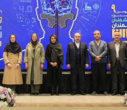
Mohammad amin Kafaei, a Master’s student in Urban Planning at the University of Tehran and a recipient of the 9th Young Scholars and Thinkers Festival award, has presented a “Smart Water Management and Sustainable Regional Planning System” based on 3D Digital Twin technology. The project, branded as “AquaTwin,” is designed to support integrated water resource management and mitigate the impacts of water-related crises in Iran, with a particular focus on vulnerable regions such as the Varamin watershed.
This system focuses on the water crisis, land subsidence, groundwater level decline, and ecosystem changes, aiming to provide a dynamic picture of the environmental situation by integrating sensor data, satellite information, and data from executive bodies. In this model, three main layers are defined: data collection via the Internet of Things and remote sensing sources, data analysis using artificial intelligence and machine learning-based prediction along with cloud computing, and finally, simulation assisted by digital twin technology.
According to the project developer, the digital twin enables the simulation of multiple management scenarios before real-world implementation, supporting more accurate decision-making in areas such as agriculture, urban development, and infrastructure protection. The initial version of the system includes three core modules: monitoring current conditions, proposing crisis-control scenarios, and forecasting future developments.
The project also seeks to establish an integrated, data-driven platform to enhance coordination among institutions involved in water, agriculture, and urban management—an issue identified as one of the key challenges in national resource governance. In this framework, the system is designed to function both as a decision-support tool and as a participatory platform for evaluating the impacts of policies at different spatial scales.
If fully developed, the project is expected to contribute to reducing water consumption and waste, improving agricultural efficiency, and lowering risks associated with land subsidence. Its scalable architecture allows implementation at local, urban, and national levels, with potential for future expansion into regional and international markets.
One of the main innovations of the project is the integration of technical, social, and institutional data within a unified platform. This approach aims to bridge coordination gaps between decision-making bodies in the water sector and to support more coherent and integrated policy-making at the national level.
This project is the result of a team effort consisting of the following individuals:
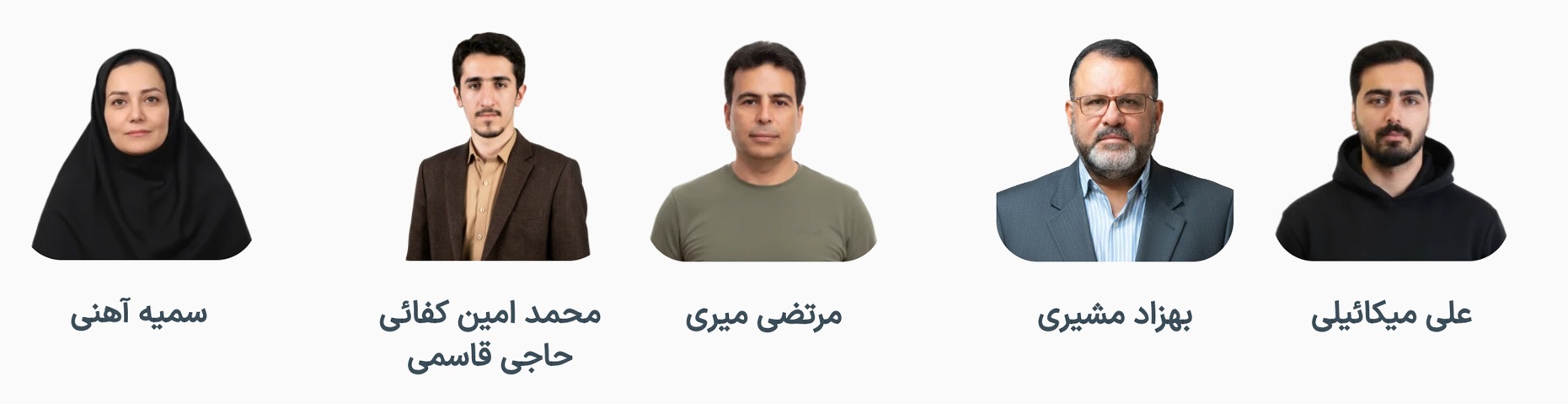
Dr. Somayeh Ahani: PhD in Urban Planning (Faculty Member, Faculty of Urban Planning, University of Tehran)
Dr. Behzad Moshiri: PhD in Electrical and Computer Engineering (Faculty Member, Faculty of Electrical and Computer Engineering, University of Tehran)
Dr. Morteza Miri: PhD in Physical Geography (Faculty Member, Soil Conservation and Watershed Management Research Institute)
Eng. Ali Mikaeili: MSc in Artificial Intelligence and Robotics (MSc student, Faculty of Electrical and Computer Engineering, University of Tehran)
and
Eng. Mohammad Amin Kafaei Haji Ghasemi: MSc in Regional Planning (MSc student, Faculty of Urban Planning, University of Tehran)
The project is currently in the MVP development stage, with ongoing field data collection. Parallel discussions are also underway with industrial and telecommunications partners to support further development and eventual commercialization.
PARS MEDEQ company and the Mossalanejad Cultural Foundation are the sponsors of Vice-Presidency for Research and Technology News Desk

Your Comment :