
Award-Winning University of Tehran Researcher: The Future of Engineering Depends on Advanced Materials, Simulation, and Human Capital
Zahra Fayzii from the Vice-Presidency for Research and Technology News Desk of the University of Tehran:
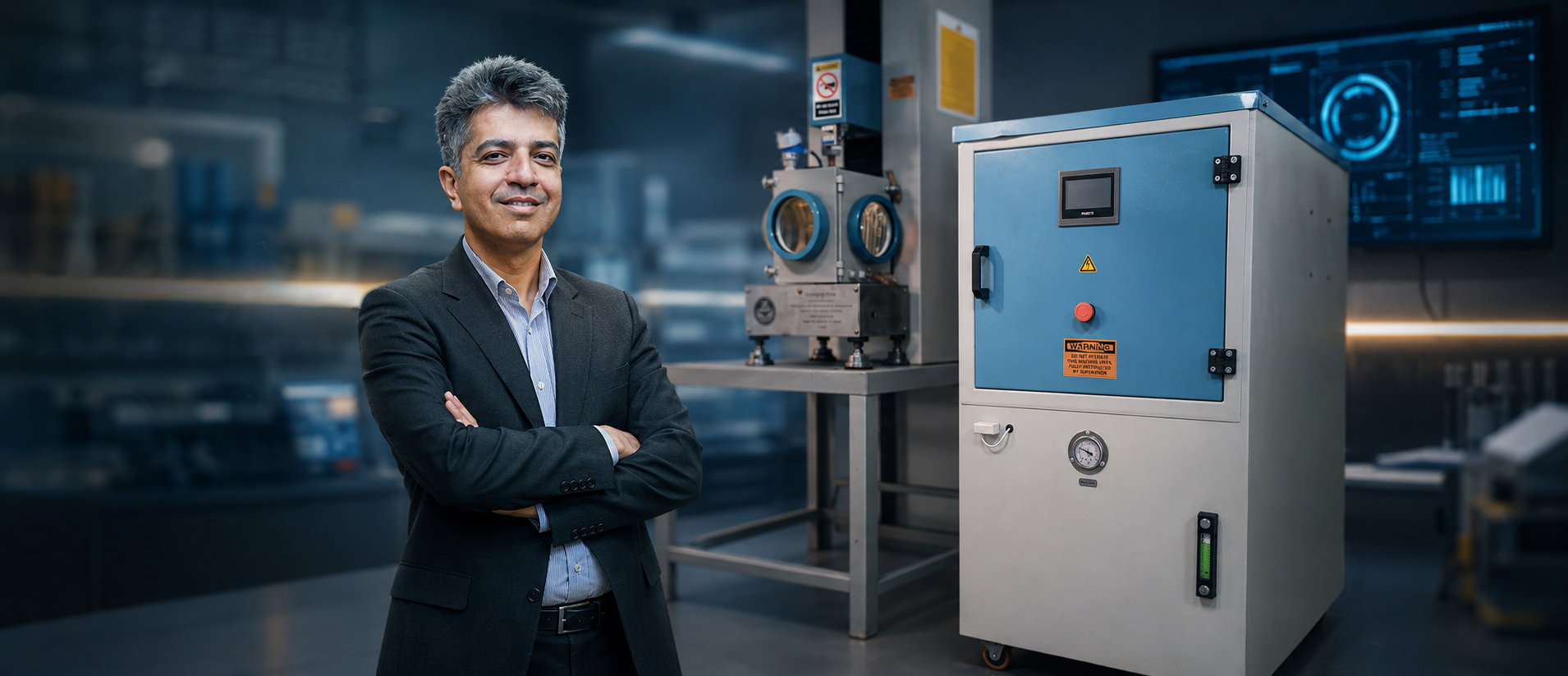
Dr. Mostafa Baghani, a faculty member of the Faculty of Mechanical Engineering at the University of Tehran and a distinguished researcher honored at the university’s research festival, highlighted the fundamental role of mechanical engineering in advancing modern technologies. He emphasized that the discipline serves as the foundation for many engineering fields and is increasingly integrated with areas such as artificial intelligence, computational science, and medical research.
According to Baghani, mathematics forms the backbone of mechanical engineering education, while recent advances in computational modeling and high-performance computing have enabled researchers to simulate complex physical phenomena that were previously beyond reach. He noted that emerging technologies such as quantum computing are expected to bring transformative changes to engineering research and innovation.
A significant portion of his research has focused on interdisciplinary collaborations with the medical sector. His team has employed advanced computational simulation techniques to model biological tissues—including the heart, brain, and liver—as well as osteoporosis and drug delivery systems for cancer treatment. These studies have contributed to improving therapeutic strategies and optimizing medical procedures through more accurate scientific modeling.
Baghani also discussed the development of innovative laboratory equipment, including a multifunctional tensile testing system capable of evaluating material behavior under dynamically changing temperature conditions. Designed for research on advanced and biocompatible materials, the device has led to patented technologies, numerous scientific publications, and expanded international research collaborations.
Reflecting on his experience working with universities and research institutions around the world, he argued that Iranian researchers possess strong scientific capabilities but stressed that technological advancement requires sustained investment, stronger support for research, and more effective mechanisms for transferring academic innovations into industry. He suggested that universities establish dedicated structures to facilitate commercialization and connect researchers with industrial partners and investors.
The award-winning researcher described student mentorship as the most meaningful achievement of an academic career, arguing that educating capable scientists and engineers creates a longer-lasting impact than any single technological product. Having supervised more than 150 master’s and doctoral theses, he considers the accomplishments of his former students in leading universities and research centers in Iran and abroad to be among his proudest professional successes.
Looking ahead, Baghani identified advanced and smart materials as one of the defining technological frontiers of the twenty-first century. He believes innovations such as self-healing materials, intelligent medical devices, and high-performance structural materials have the potential to fundamentally reshape engineering, industry, and everyday life in the years to come.
PARS MEDEQ company and the Mossalanejad Cultural Foundation are the sponsors of Vice-Presidency for Research and Technology News Desk
Your Comment :