
The atmosphere recognizes no political boundaries
Seoul National University
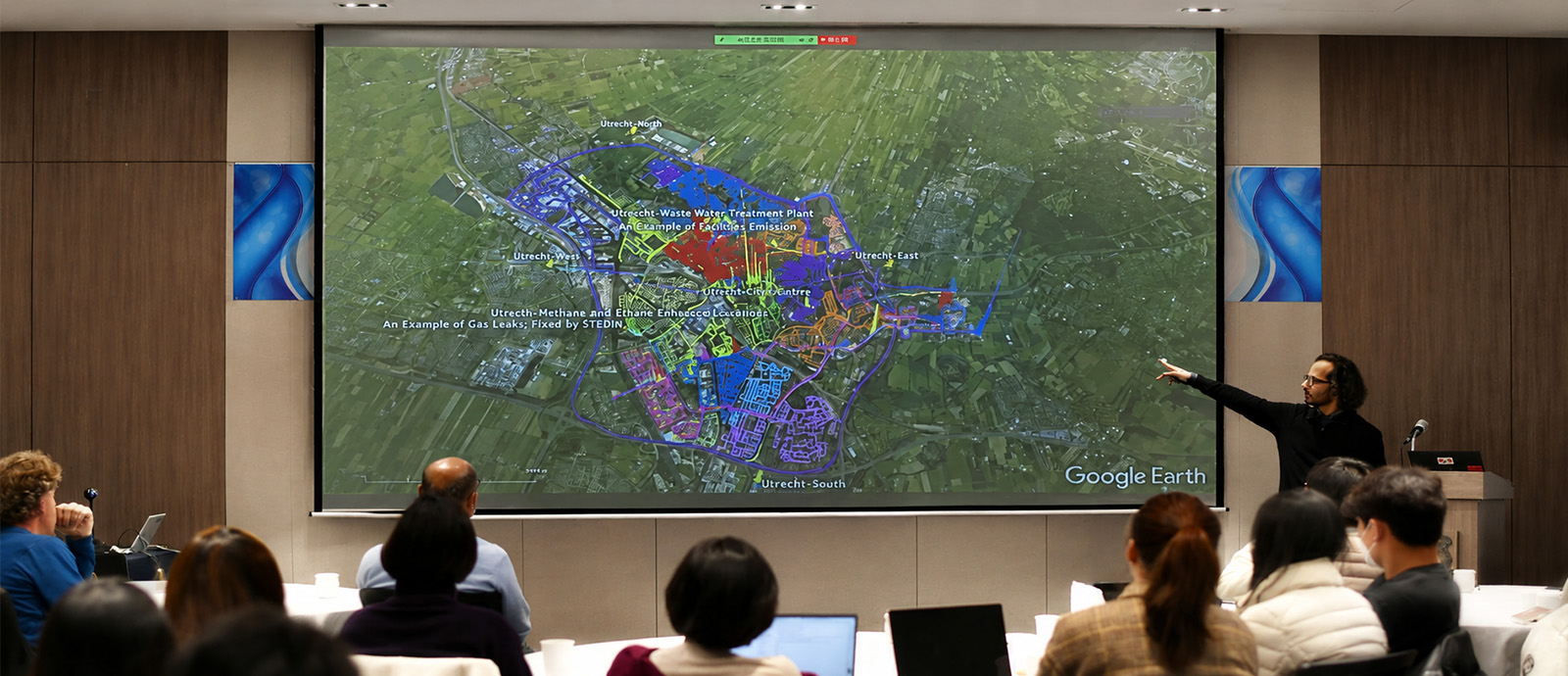
Mobile field measurements were conducted using vehicle-mounted instrumentation to detect, attribute, and quantify methane emissions from the urban natural gas distribution network. The image shows measurements carried out in Utrecht, the Netherlands. The corresponding publication describing the measurement campaigns conducted in Hamburg, Germany, and Utrecht, the Netherlands. These findings were also published in a comprehensive study reporting urban methane measurements conducted across 12 cities in 8 countries
The Vice-Presidency for Research and Technology News Desk of the University of Tehran:
Dr. Hossein Maazallahi, a postdoctoral researcher at the College of Interdisciplinary Science and Technologies, University of Tehran, began his postdoctoral research on June 21, 2024, under the supervision of Prof. Fathollah Pourfayaz through the Vice Presidency for Science, Technology and Knowledge-Based Economy's Connect Program. His project, entitled "Satellite-Based Assessment of Methane Emissions from Iran's Energy and Waste Sectors," commenced on June 21, 2024. In this interview, he discusses his postdoctoral experience, the importance of international collaboration, and the role of research in advancing sustainable development.
What achievements has this postdoctoral program brought you?
This postdoctoral program has been instrumental in broadening dimensions in my life and career. I would first like to express my sincere gratitude to everyone who supported me throughout this journey. The most rewarding and memorable aspect of the program has been the opportunity to engage in international collaborations, including co-authoring research articles, contributing to a book chapter, participating in international conferences, and working jointly on the establishment of Iran's Smart Environmental Monitoring Center.
Before answering your questions in greater detail, I would like to briefly address the concept of sustainable development. Sustainable development is a process that meets the needs of the present generation without compromising the ability of future generations to meet their own needs.
"This concept is founded on three interdependent pillars, economic development, Social justice, and environmental protection. It requires an intergenerational perspective, a balanced approach to these three dimensions, effective policymaking and legislation, and a strong sense of responsibility toward natural resources and the environment."
What has been your most significant insight regarding greenhouse gas mitigation?
The most important lesson I have learned is that Earth's atmosphere is a shared space. It is not confined by geographical or political borders. We have inherited this planet from previous generations, and we have a responsibility to preserve it for those who come after us.
Addressing climate change is a global responsibility that demands constructive, comprehensive, and sustained international cooperation to achieve sustainable development; development that benefits everyone and creates a genuine win-win outcome. Without such collaboration, achieving substantial reductions in greenhouse gas emissions and realizing sustainable development on a global scale will not be possible.
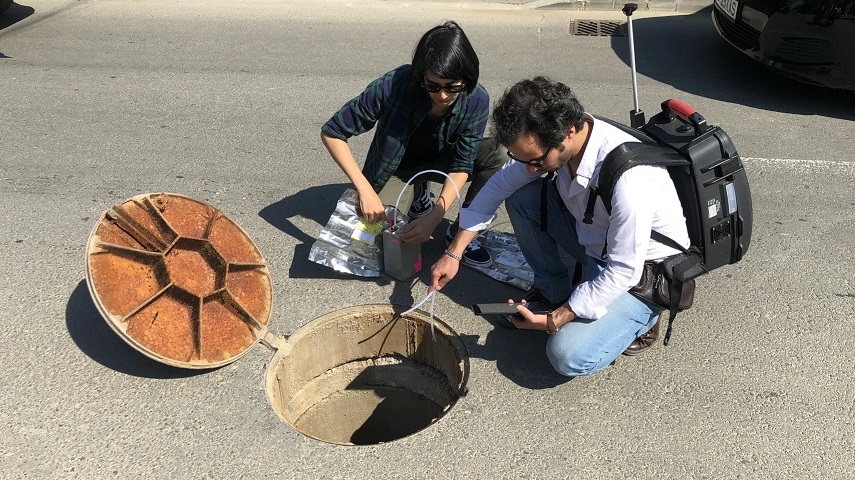
Field measurements and source attribution of greenhouse gases, including the analysis of emissions originating from multiple sources (natural gas leakage and wastewater) through ethane measurements and carbon and hydrogen isotope analysis of methane. This work was conducted as part of the ROMEO (ROmanian Methane Emissions from Oil and gas) Campaign in Bucharest, Romania. Available from this link. During the ROMEO campaign, measurements were also conducted using a wide range of complementary techniques. The publication describing the airborne measurement campaign can be accessed via this link.
Why is international collaboration essential in addressing climate change?
Research is always essential. However, if scientific findings are not translated into practical action, their potential benefits remain unrealized. The greatest challenge we face today is that we have already lost valuable time, and urgent action is now imperative.
Today, scientists, industry experts, and policymakers around the world have developed advanced technologies, high-quality scientific knowledge, and invaluable practical experience. In many cases, there is no need to spend years reproducing results that have already been achieved elsewhere. Instead, we need sustained and constructive international collaboration to address a challenge that affects and benefits everyone. Without such cooperation, we will continue to lose precious time, greenhouse gas emissions will keep rising, and we may eventually reach a point beyond which recovery is no longer possible.
At the same time, I strongly support strengthening countries' domestic capabilities, as this enhances efficiency and accelerates progress toward sustainable development. Nevertheless, even this capacity-building depends on effective international collaboration and knowledge exchange.
What roles do universities, industry, and policymakers play in achieving sustainable development?
Achieving sustainable development requires continuous dialogue and close collaboration among researchers, practitioners, and policymakers in order to strike a balance between economic growth, social well-being, and environmental protection.
Universities should illuminate the path forward through scientific knowledge and innovation. Industry should demonstrate how research can be translated into real-world applications while creating opportunities for stronger university–industry engagement. Policymakers must establish the legal and regulatory frameworks needed to bridge existing gaps and facilitate implementation.
Although each of these sectors faces its own unique challenges, sustainable development can only be realized through sustained, responsible, and comprehensive cooperation among them. Such collaboration is essential not only at the national level but also across international borders.
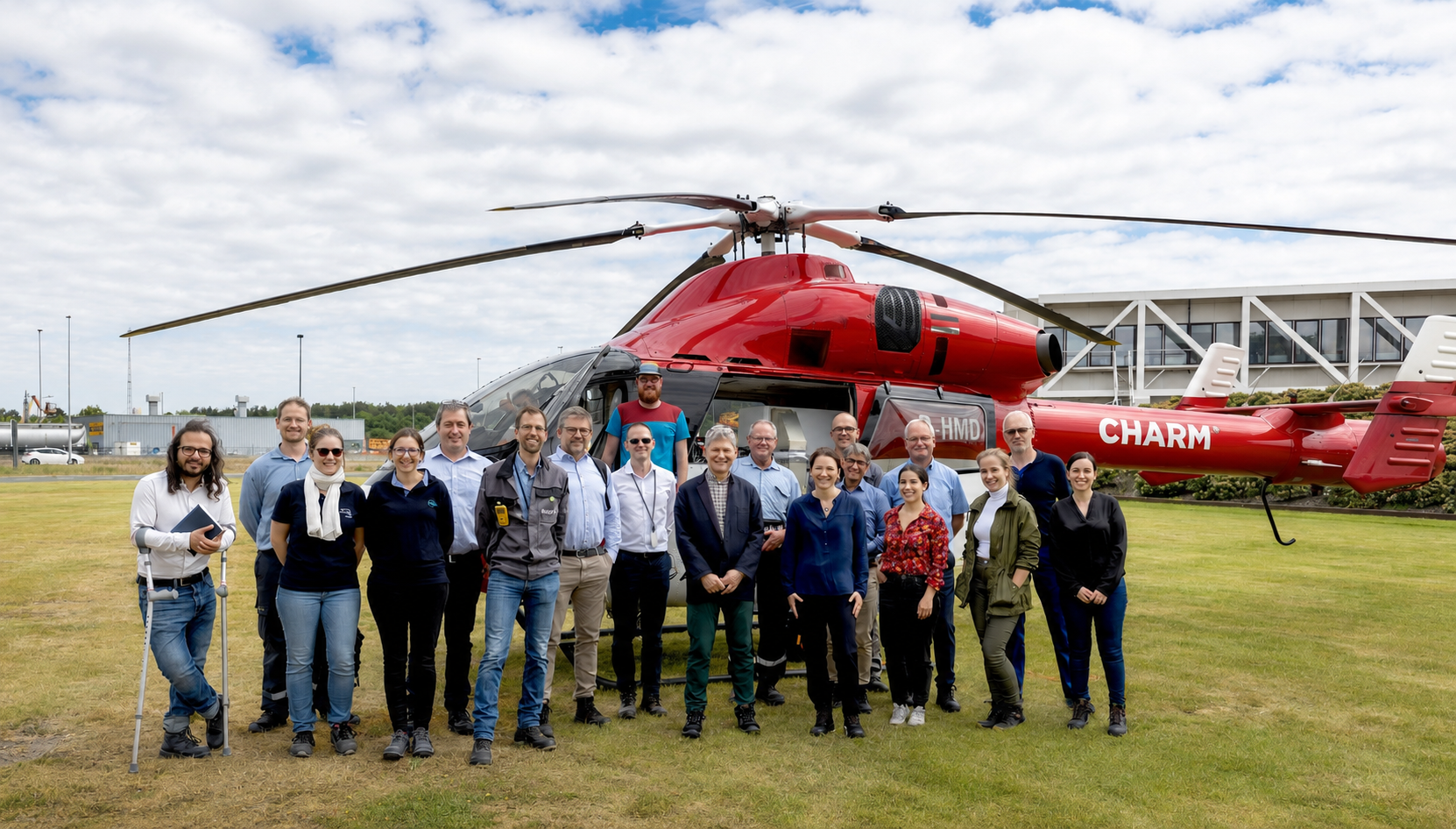
International collaboration among industry, researchers, and policymakers during field measurement campaign aimed at reconciling Top-Down (TD) and Bottom-Up (BU) approaches for methane emissions quantification. The activities were carried out as part of the GERG (The European Gas Research Group) Measurement Campaign, here you see a helicopter-based monitoring method. Photo courtesy of Fluxys, Belgium – David Samyn. Zelzate, Belgium.
How can scientific findings be translated into practical action?
To establish sustained and constructive collaboration, we need meaningful dialogue—and that is only possible when different stakeholders understand one another's language and perspectives. This requires researchers, industry professionals, and policymakers to engage directly in each other's working environments. Equally important is the role of science communication professionals who can serve as intermediaries, translating specialized knowledge into language that is accessible across disciplines and sectors.
Having experts who can effectively communicate complex scientific concepts to diverse audiences enhances productivity and significantly shortens the path from research to implementation. This approach can also be strengthened through international conferences, which provide valuable platforms for knowledge exchange and collaboration. I would like to emphasize once again that we cannot afford to lose any more time.
What is your message to the public and to decision-makers?
I deeply feel the weight of the knowledge I have gained through the support and guidance of many individuals, and with the passage of time, this sense of responsibility continues to grow. Based on the scientific evidence, it is clear to me that greenhouse gas emissions, global warming, and the resulting climate change will lead to serious and far-reaching consequences. This concern has occupied my thoughts for many years. Yet, no individual or institution can address this crisis alone.
Today, we are already experiencing some of the consequences of neglecting sustainable development in our daily lives, and these impacts are to become far more severe in the future. We must act without delay, because we have already lost too much valuable time.
My message to the global community is:
"Please regard the world as your home and care for it with the same sense of responsibility that you show toward economy, members, and livelihood of your own family. Leave future generations a legacy that you would wish to leave to your own children, and never regard others as strangers."
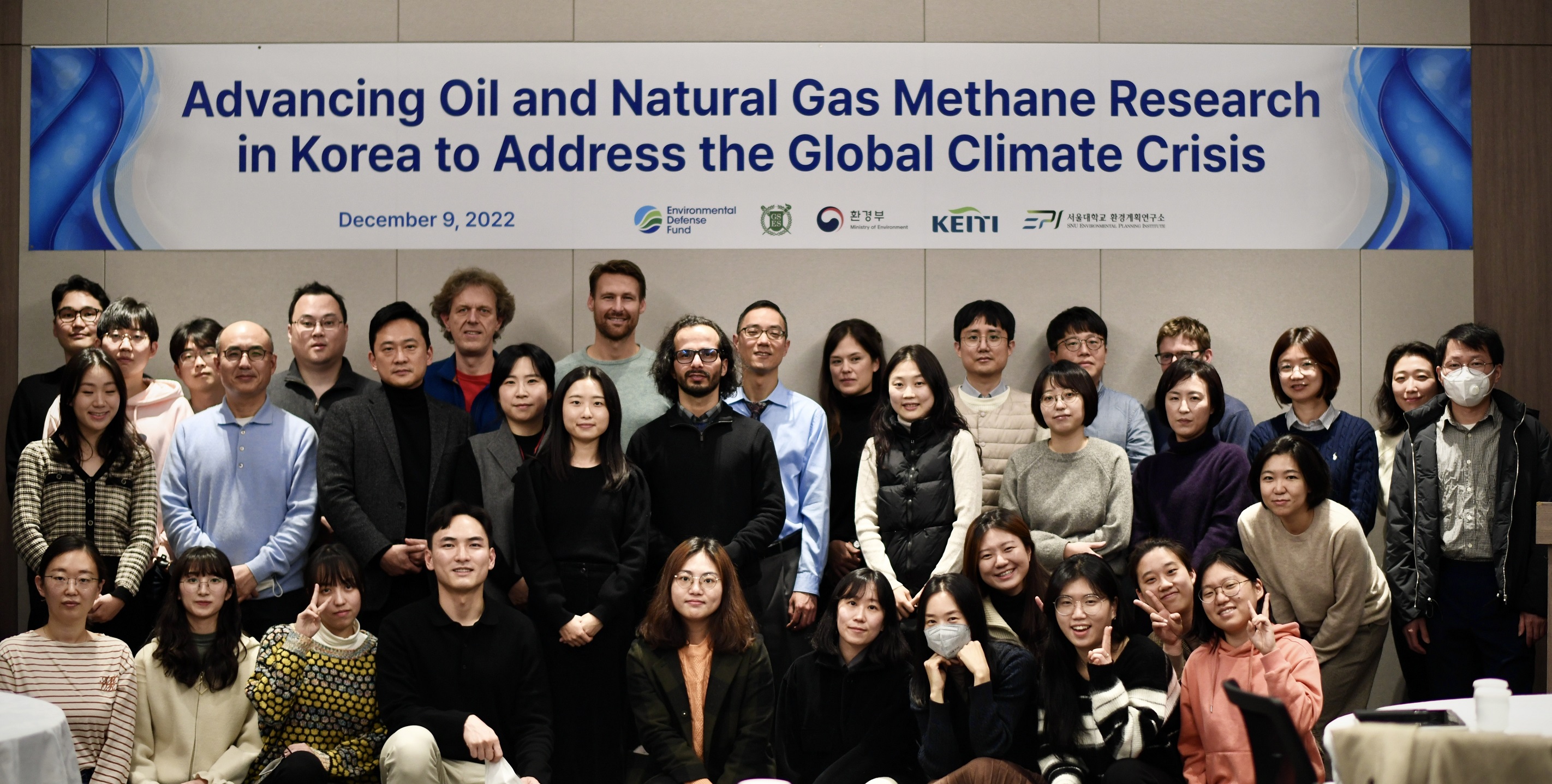
International dialogue and collaboration on methane emissions from the oil and gas industry in the context of global warming and climate change, Seoul National University, Republic of Korea.
PARS MEDEQ company and the Mossalanejad Cultural Foundation are the sponsors of Vice-Presidency for Research and Technology News Desk
Your Comment :