
Archaeology and New Technologies: From the Iranian Pottery Database to the Digital Mapping of Archaeological Sites
Zahra Fayzii from the Vice-Presidency for Research and Technology News Desk of the University of Tehran:
Dr. Ahmad Ali-Yari, a faculty member of the Faculty of Literature and Humanities at the University of Tehran and one of the university’s leading figures in university–industry and university–society engagement, spoke in an interview about his research journey, discussing the beginnings of his academic career in archaeology and his efforts to connect this field with modern technologies.
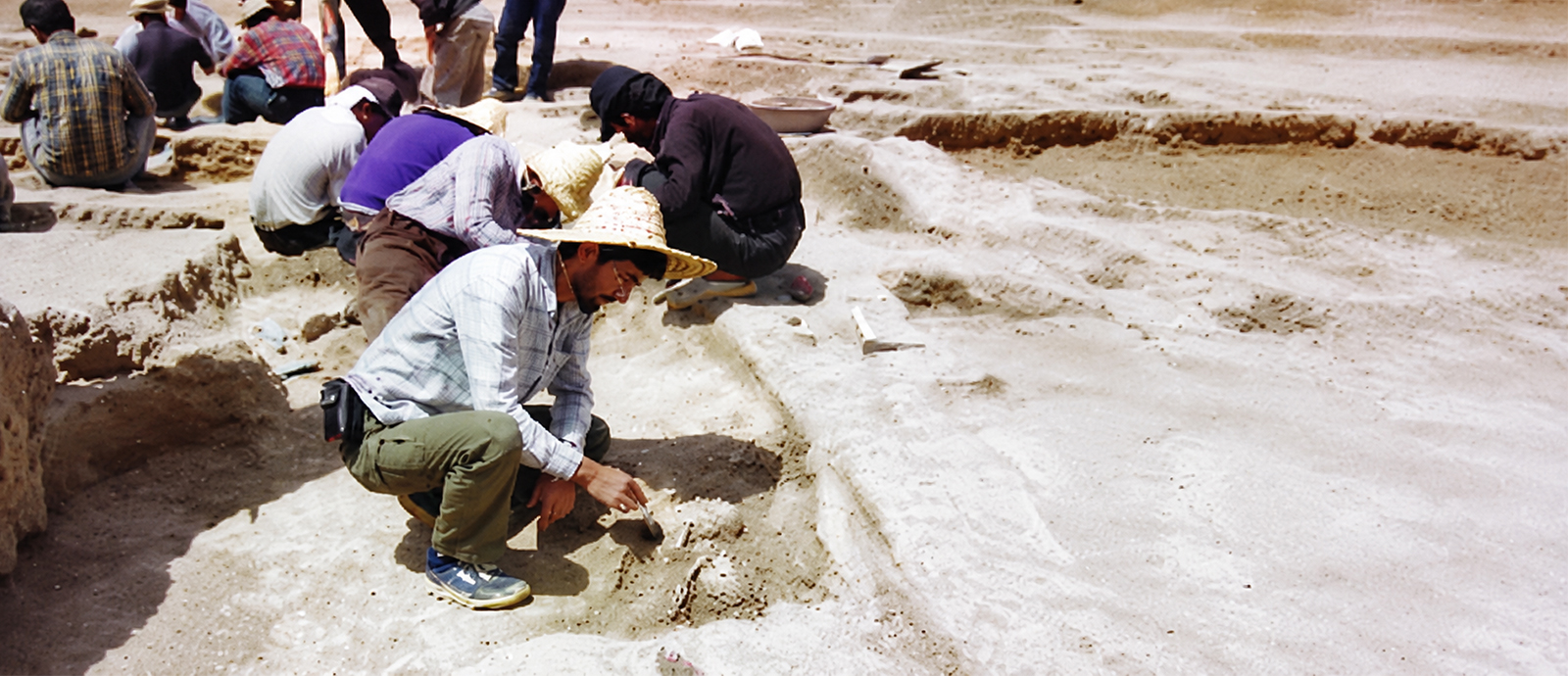
Referring to the beginning of his academic activities as a student of History at the University of Tehran, he explained that his interest in archaeology led him to change the direction of his research toward this field. From the early years of his academic career (1993), with a focus on the study of prehistoric pottery and the use of modern methods, he sought to establish a connection between archaeology and the application of technology.
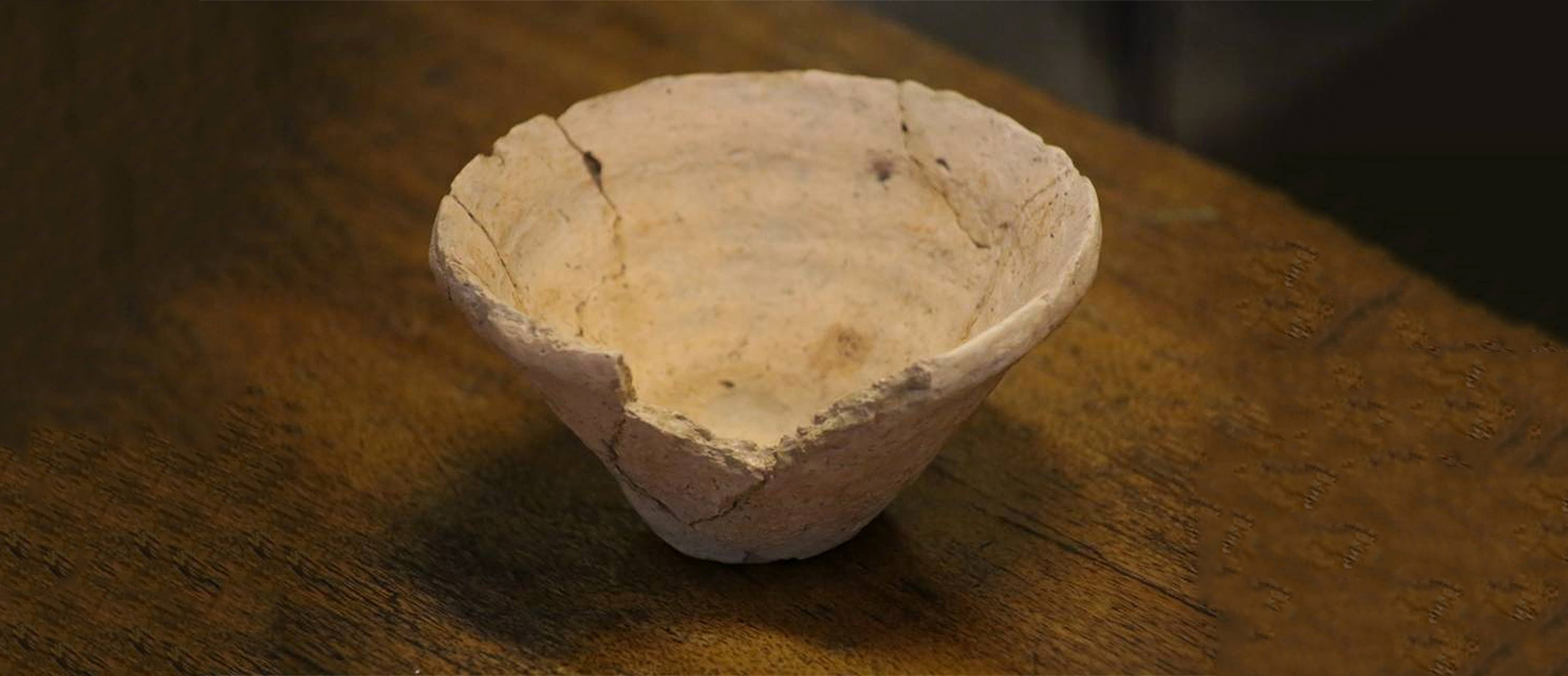 One of the most important initiatives undertaken by this researcher was his active participation, alongside the late Dr. Hassan Talaei, a professor in the Department of Archaeology, in designing and establishing the Iranian Pottery Database. This national project was developed with the aim of organizing, documenting, and studying extensive collections of historical pottery. The collection, which includes hundreds of millions of pottery fragments from various archaeological sites across the country, has so far provided the basis for numerous theses, doctoral dissertations, and academic articles.
Dr. Ali-Yari also referred to the establishment of the Research Museum of the Institute of Archaeology at the University of Tehran, explaining that:
The museum was created with the aim of providing students with practical training, conducting research studies, and strengthening the connection between the university and historical artifacts. The collection provides a platform for training in documentation, conservation, restoration, and museum studies.
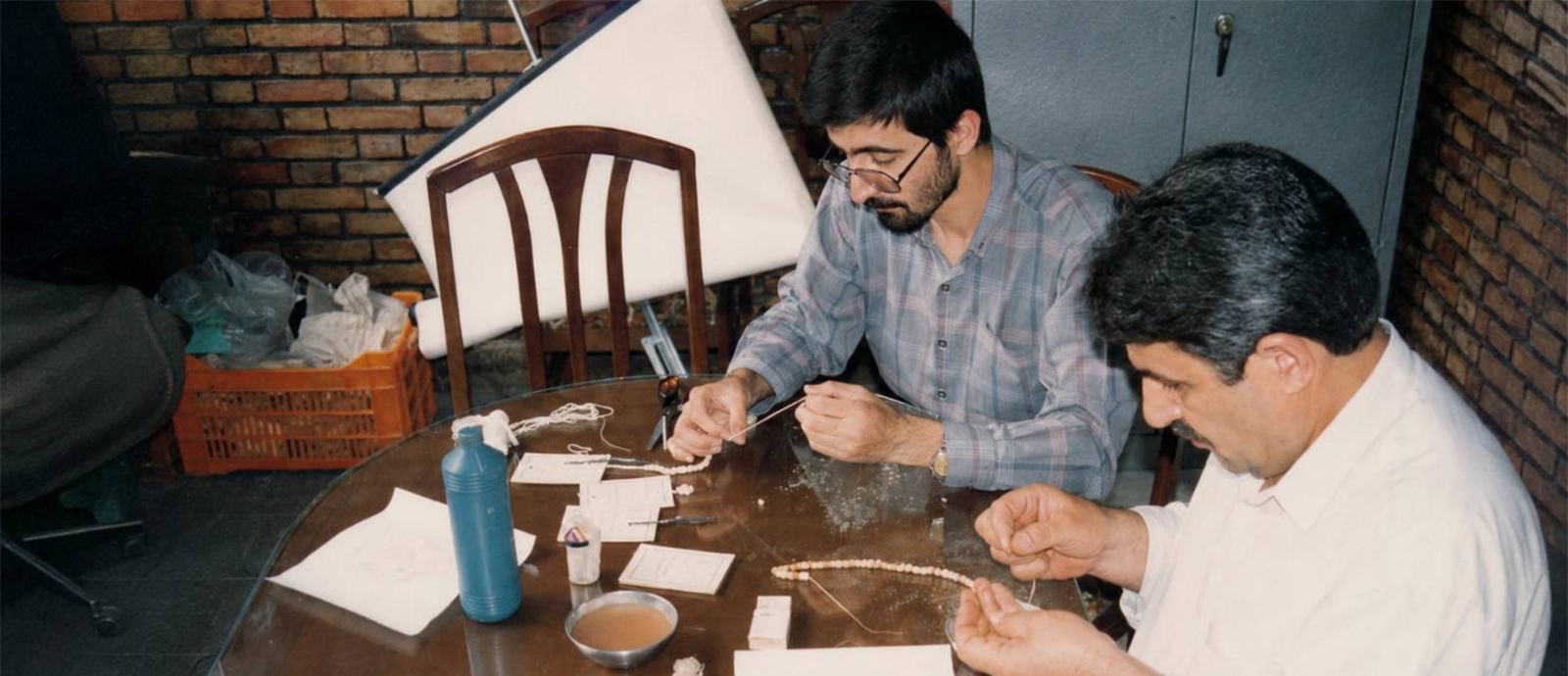 Referring to the importance of interdisciplinary research, the University of Tehran faculty member identified the creation of an archaeological database and digital map of the provinces of Tehran and Qazvin as another one of his major projects. The project was carried out by combining archaeological data, information technology, satellite imagery, and Geographic Information Systems (GIS), and is considered an important step toward the digitalization of archaeological studies in the country.
He emphasized that:
Applied research in the humanities will be successful when it is based on a precise understanding of society’s problems and needs, as well as the university’s scientific capabilities, which in turn must be grounded in knowledge and fundamental research. According to him, successful research activities are the result of sustained teamwork, and many of the projects he has carried out have been the result of collaboration among students, professors, and specialists from various fields.
To address the problems and challenges facing society, applied projects must be undertaken with national, inter-university, and international approaches in order to achieve tangible impacts.
Dr. Ali-Yari went on to discuss his archaeological research, drawing on bioarchaeological studies, animal remains, the use of artificial intelligence in pottery analysis, and the application of chemistry and computer science to historical studies. He described this interdisciplinary approach as one of the future directions of research in archaeology.
He also referred to the changing academic environment of today and emphasized:
The active role of students in learning, stating that broad access to academic resources has created a major opportunity for the new generation of students. However, the proper use of these resources and progress toward purposeful research require the guidance of professors and the sustained efforts of students. Education through applied projects that facilitate the active participation of students in industry and society represents an excellent opportunity and one of the significant and notable advantages of this approach.
PARS MEDEQ company and the Mossalanejad Cultural Foundation are the sponsors of Vice-Presidency for Research and Technology News Desk
Your Comment :