
Post-Purchase Marketing: The Customer Is Not the End of the Process
Zahra Fayzii from the Vice-Presidency for Research and Technology News Desk of the University of Tehran:
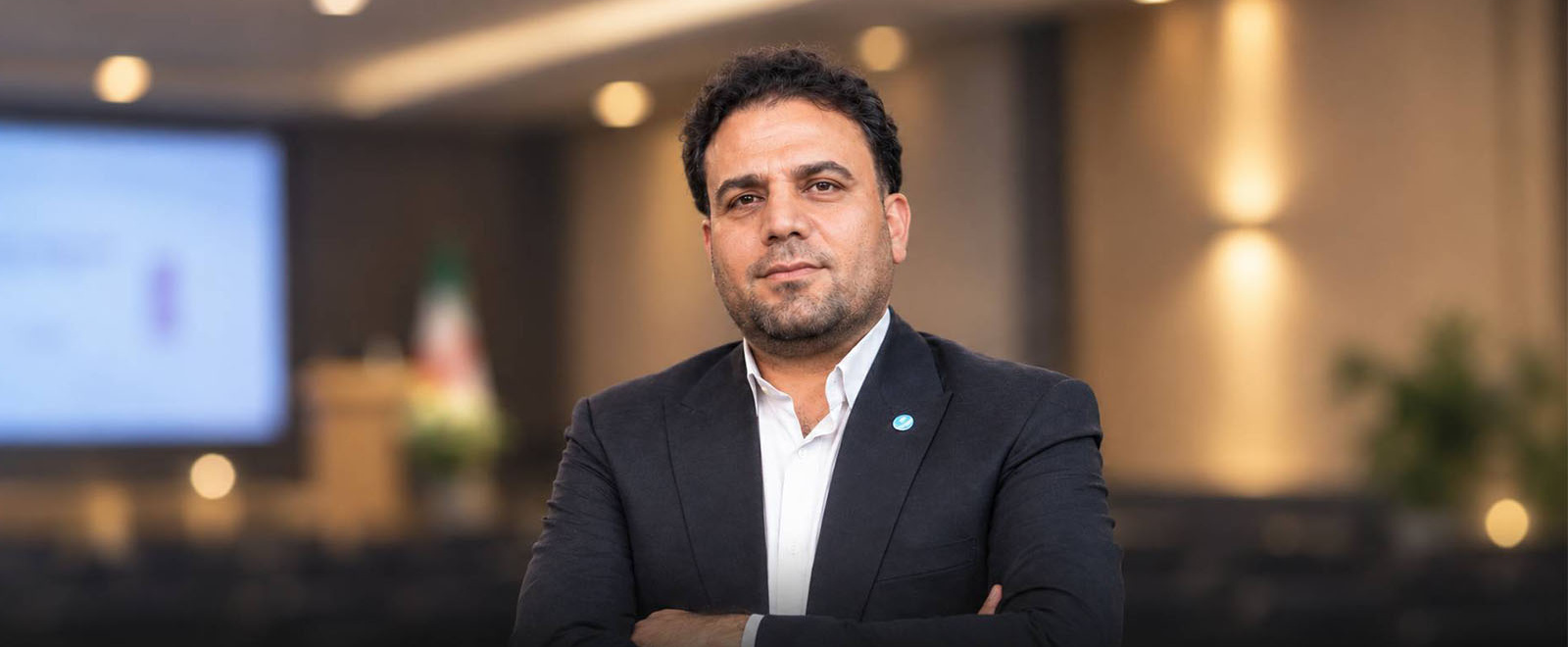
Dr. Mohammad Ghaffari, Associate Professor in the Department of Business Management and Entrepreneurship at the Faculty of Management and Accounting, Farabi Campus, University of Tehran, emphasized the ongoing nature of post-purchase marketing, stating that marketing does not end with the sale of a product. Even in its simplest form, businesses can maintain communication with customers after a purchase and assess their level of satisfaction with the product or service.
He added that today, many online businesses are striving not only to sell products but also to build communities of customers and users, leveraging their potential for interaction, experience sharing, and even product recommendations.
Referring to the customer club model adopted by certain online businesses, Ghaffari explained that a customer who has previously purchased a product can respond to questions from other users within the customer community and receive points in return for their participation. In some models, these points can subsequently be converted into purchasing credit. Such mechanisms demonstrate that customers can remain part of an organization’s communication and marketing chain even after completing a purchase.
The University of Tehran professor identified the role of existing customers in introducing products to and persuading potential customers as one of the reasons businesses should invest in post-purchase communications. He noted that television, outdoor, and radio advertising can fulfill the role of introducing a product to some extent; however, the experience of a customer who has purchased and used the product can influence the decision-making of potential customers in a different way.and grow.
Ghaffari went on to highlight the distinction between organizations operating in markets with guaranteed demand and businesses competing in open markets. He explained that an organization’s approach to its customers depends to a considerable extent on market conditions and organizational objectives. An organization that naturally has access to customers without extensive marketing efforts may have less incentive to attract new ones. By contrast, a business operating in a competitive market must pay serious attention to customer acquisition and retention in order to survive
He added that, for example, a private business, retail store, hotel, or online platform operating in a competitive environment cannot afford to remain indifferent to its customers, as customers may have alternative options. Consequently, organizational efforts should be designed to foster satisfaction, retain existing customers, and attract new ones.
The marketing researcher also referred to the expansion of new marketing models, including “network marketing,” noting that network marketing has been implemented in various countries for more than two decades, and that organizations in Iran have also adopted this model for many years. Under this approach, customers’ networks of relationships and the introduction of products through individuals constitute part of the mechanism for market expansion.
PARS MEDEQ company and the Mossalanejad Cultural Foundation are the sponsors of Vice-Presidency for Research and Technology News Desk
Your Comment :