
University of Tehran Biological Anthropology Laboratory: Reconstructing Past Human Life Through Archaeological Remains
Zahra Fayzii from the Vice-Presidency for Research and Technology News Desk of the University of Tehran:
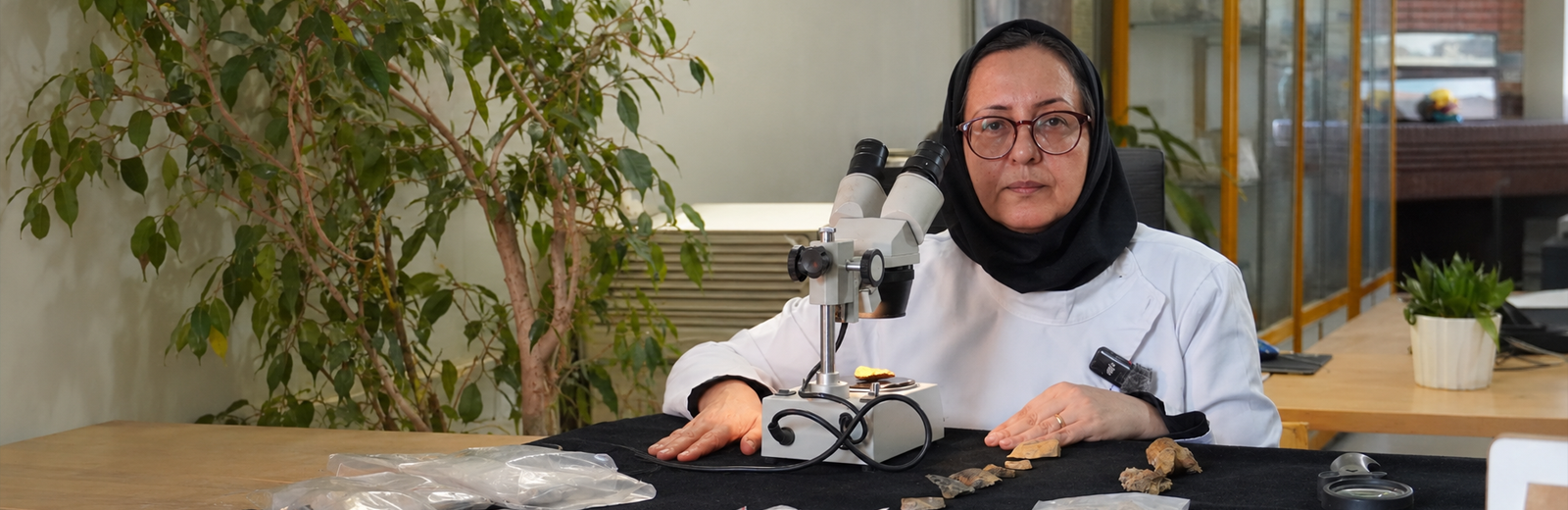
Dr. Zohreh Anvari, faculty member of the Faculty of Social Sciences at the University of Tehran and head of the Biological Anthropology Laboratory, said that the collection, which began its activities in 2000 under the Institute for Social Studies, works in biological anthropology, paleoanthropology, education, and the study of human and animal remains from archaeological sites.
According to Anvari, one of the laboratory’s main activities is the examination of human and animal remains after they are transferred from archaeological sites. Following cleaning and preparation, the specimens are examined using specialized tools such as magnifying loupes, microscopes, and calipers. These studies can provide information about age, sex, height, disease, physical injuries, diet, physical activity, and the lifestyle of past populations.
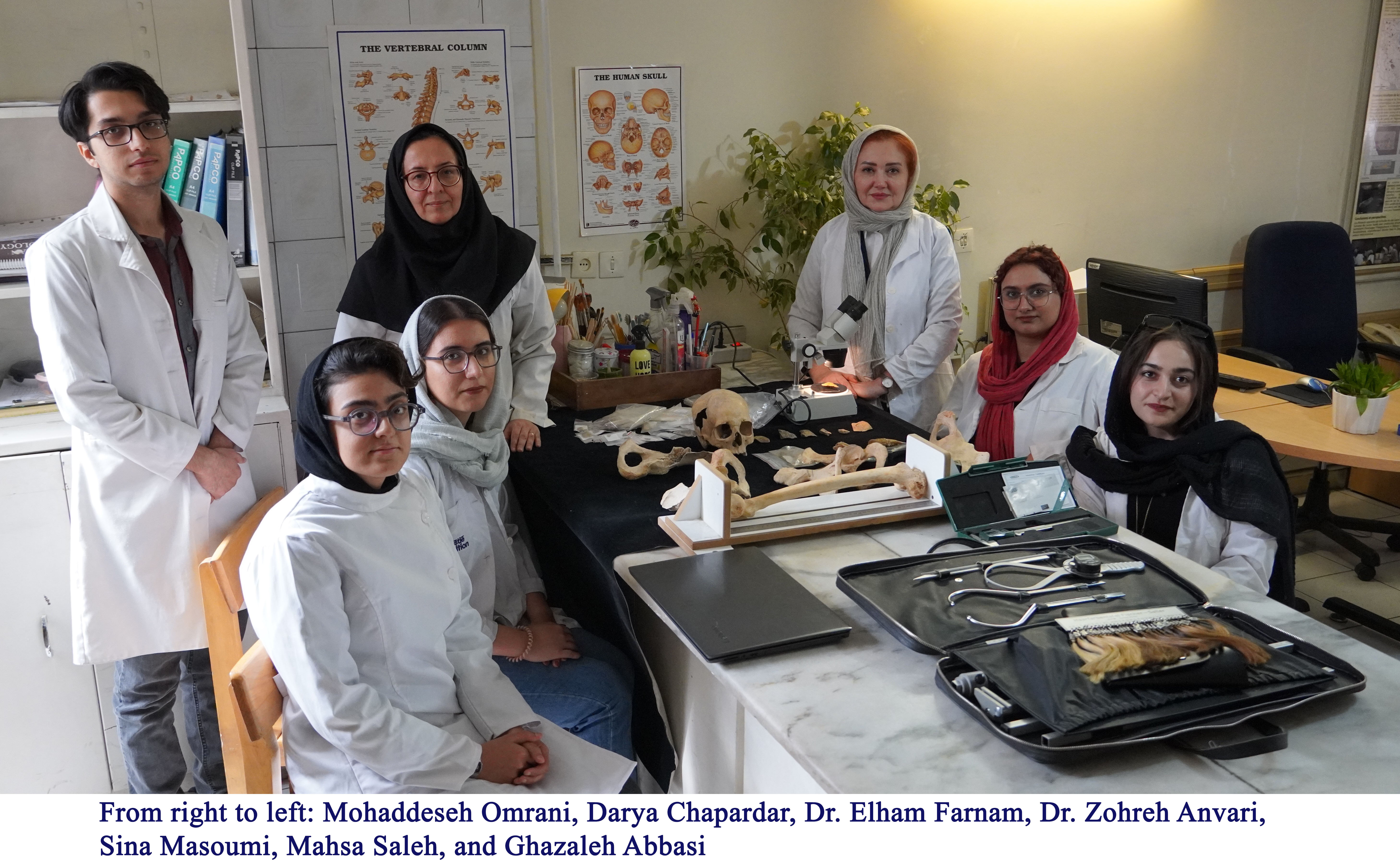 She added that skeletal remains can reveal evidence of various diseases, malnutrition, dental infections, injuries associated with strenuous activities, and even some forms of trauma and medical intervention. Dental wear can also provide clues about the types of food consumed and how food was processed in past societies.
Referring to the study of animal remains and stone tools, Anvari explained that cut marks on bones can indicate how animals were hunted and butchered, while the analysis of stone tools can provide information about technology and subsistence practices in past human societies. Research on the Garmrud archaeological site, including remains of wild cattle, wild deer, and stone tools, is among the studies conducted in this field.
The head of the Biological Anthropology Laboratory of the University of Tehran emphasized that:
She also identified student education and the training of specialized researchers as another important capacity of the laboratory. Casts of different human species, animal skeletons, and skeletal specimens provide students with opportunities for practical training in anatomy and the identification of human and animal remains.
Anvari also highlighted the importance of preserving these materials, noting that limited laboratory space and insufficient standard facilities for archiving and storing archaeological remains are among the current challenges. These materials are part of Iran’s historical and scientific heritage, and expanding storage facilities, laboratory equipment, and conservation infrastructure could strengthen the laboratory’s capacity to serve researchers in anthropology and archaeology.
PARS MEDEQ company and the Mossalanejad Cultural Foundation are the sponsors of Vice-Presidency for Research and Technology News Desk
Watch the interview clip with English subtitles below
Your Comment :