
From Academic Research to Commercial Hybrid Seed Production; A Technological Achievement of the University of Tehran

Zahra Fayzii from the Vice-Presidency for Research and Technology News Desk of the University of Tehran:
Dr. Mahmoud Lotfi, Associate Professor at the Aburaihan Faculty of Agricultural Technology, University of Tehran, describing the completion of the commercial hybrid seed production cycle at the Zhino Daneh technology complex, said that this achievement was the result of years of research, interdisciplinary collaboration, and the transformation of academic knowledge into a practical product. He emphasized its role in reducing the country's dependence on imported seeds and strengthening food security.
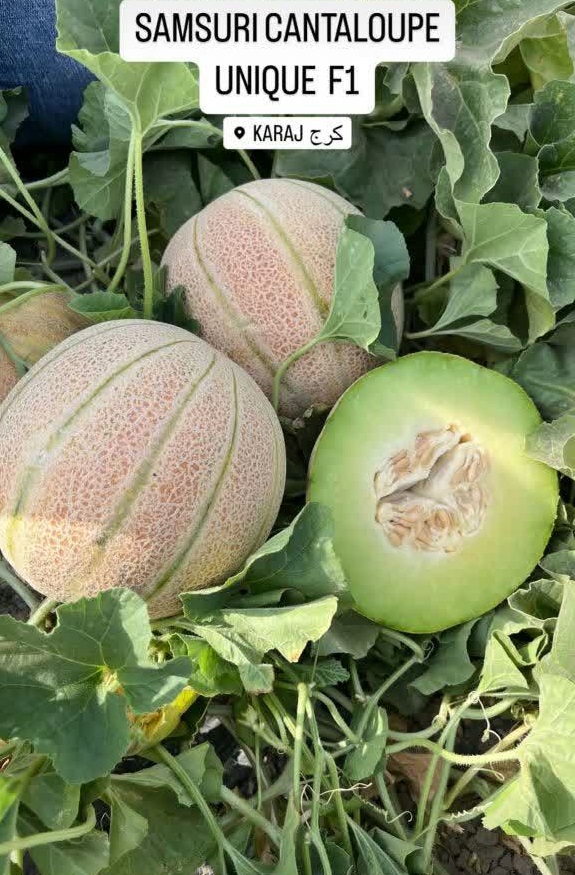 Lotfi stated that seeds are one of the most important inputs in agricultural production. Despite Iran's considerable capacity to produce vegetable and field crops, he said, a large proportion of the country's improved and hybrid seeds are still imported. This dependence not only imposes economic costs but can also create challenges for the production of these crops under sanctions and import restrictions. This is despite the fact that valuable native genetic resources exist in the country for some of these very crops, including melon, muskmelon, onion, and carrot. These resources could be used to develop and produce new varieties; unfortunately, however, they are at risk of extinction due to the influx of imported seeds.
Explaining how this technological activity began, he said: “My concern about domestic seed production dates back to my student years. After years of study and research, in cooperation with Dr. Hossein Rameshini from the Plant Breeding Group, we began pursuing the transformation of knowledge into a product in 2013. In this process, we used conventional plant-breeding methods and technologies such as doubled haploidy and molecular markers to purify and identify suitable parent lines. The outcome of these efforts was the completion of the hybrid seed production cycle for melon and tomato. Their commercialization process took shape in 2020 through the knowledge-based company Zhino Daneh Danesh Arya.”
The University of Tehran associate professor identified resistance to diseases, tolerance to drought and relatively saline water as among the most important criteria in variety development. He added: “Alongside increasing yield, fruit quality, transportability, and shelf life, the resistance of varieties to biotic and abiotic stresses has been among our main priorities. Achieving these characteristics has required collaboration with specialists in plant pathology, plant physiology, seed technology, and biosystems engineering.”
Lotfi said that the complex's products have been on the market for approximately four years. “At present, the complex accounts for less than five percent of the domestic market. Our target for the next three years is to increase this share to around 20 percent, although achieving this goal depends on the required investment. While the company's primary and initial objective has been to meet domestic demand, entering the markets of regional countries is also on the agenda. The results of the assessments conducted in this regard have been very promising.”
Referring to the role of students in the complex, he added: “A significant proportion of our specialist workforce is selected from among students, particularly doctoral students. Working in this complex enables them to gain practical experience while studying and to shape their career paths. Expanding these activities can create more employment opportunities for graduates and provide the conditions for the establishment of new technology-based companies.”
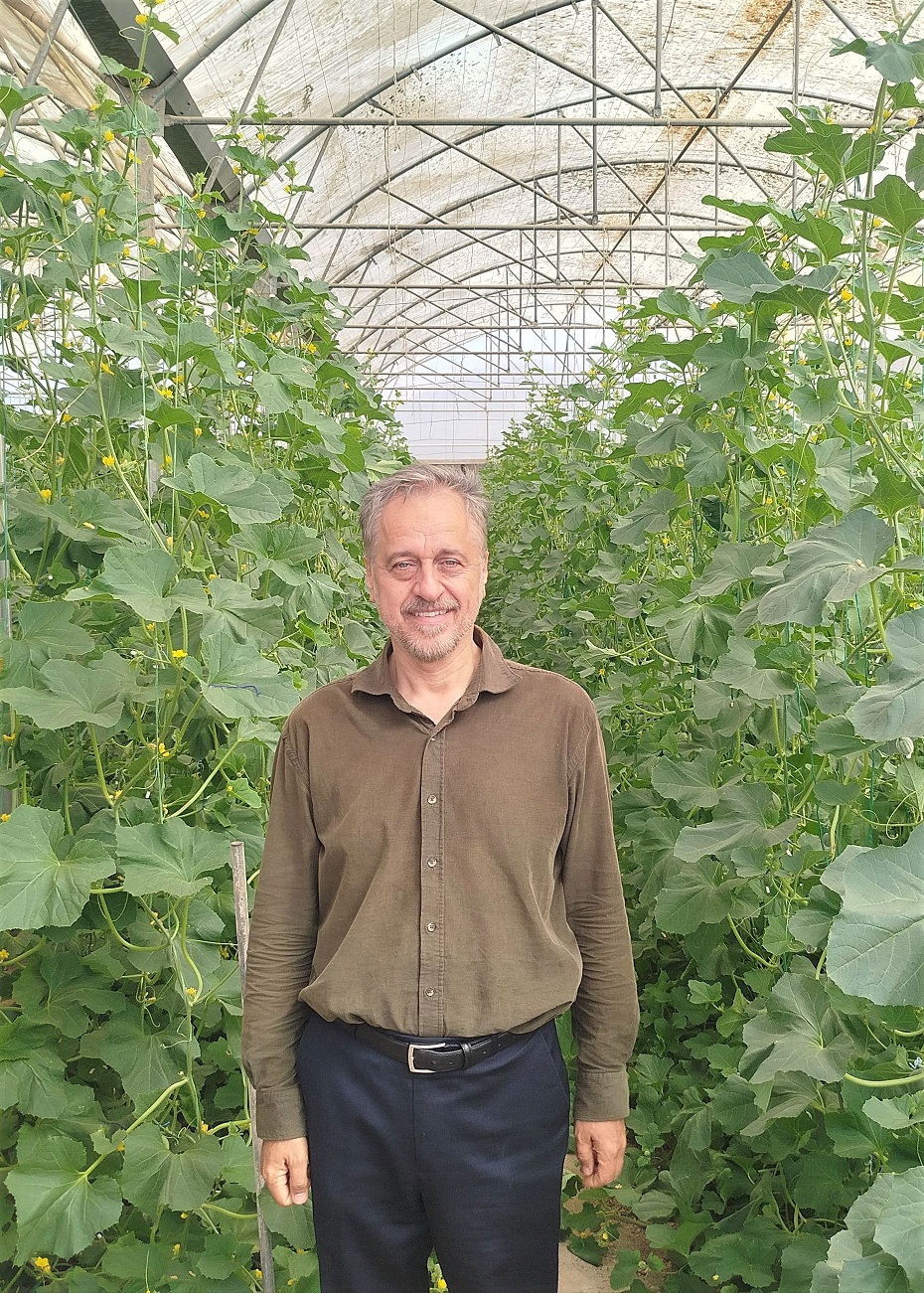 Explaining the obstacles to the development of technological activities at universities, this faculty member criticized the system for evaluating and promoting academic staff. He stressed: “Despite the shift in the language used by university and higher-education officials over the past decade—from producing articles to solving problems and responding to society's needs—the main criteria for evaluating faculty members for promotion, advancement, research grants, and selection in festivals remain article-oriented. Bringing a technology to fruition and commercializing it is a long and demanding process which, in the current general university environment, is like swimming against the prevailing current. The mission of applied faculties, such as engineering and agriculture, is fundamentally to solve problems and produce technological products. Good, practical articles may also be published along the way; however, when a professor's main concern is publishing articles to obtain the necessary points, sufficient motivation and time are not created to pursue real-world problems and develop products.”
In conclusion, Lotfi identified focused and purposeful research, engagement with society, and understanding the market as key factors in the successful commercialization of technology. He noted: “Researchers should bear in mind that there is a long and challenging path from obtaining research results and producing a prototype to bringing a technological product to market. Success in this field requires the use of business mentors to gain an accurate understanding of the market, secure investment, and plan appropriately, as well as sufficient determination and patience.”
PARS MEDEQ company and the Mossalanejad Cultural Foundation are the sponsors of Vice-Presidency for Research and Technology News Desk
Your Comment :